10.08.2026
3Q 2026 Market Insights
This video is a recording of a live webinar held October 22 by Marquette’s research team analyzing the third quarter…


Between June 2014 and the end of January 2015, oil experienced a precipitous fall from $1071 per barrel to $45 as reduced demand and excessive supply combined to drive its price significantly lower. During that time, the Credit Suisse High Yield benchmark experienced a -3% total return, as 15% of the index is comprised of energy issuers. In February, oil recovered to $52 and the high yield benchmark rebounded by 3%. Given the wide dispersion of projected oil prices, we attempt to gauge how fairly priced both oil and high yield energy bonds currently are, based on the Baker Hughes North America Rotary Rig Count.
The Baker Hughes North America Rotary Rig Count is an important business barometer for the oil and gas industry because it tracks active oil drilling rigs and serves as a leading indicator for the demand for oil and gas products and services. The rig count nosedived from 1,931 at the end of September 2014 to 1,267 at the end of February 2015, a period of just five months.
This week’s chart divides the price of oil by the rig count. By doing this, we can see how overpriced or underpriced oil is in the context of active rigs. The blue line shows that oil was generally overpriced over the last six years and is now somewhat cheaply priced as it falls below its average shown by the dotted blue line; the significant reduction in rig count has helped to improve this ratio. The green line shows the spread of energy bonds in the Credit Suisse High Yield benchmark divided by the same rig count. It currently sits above its average, suggesting that perhaps energy high yield bonds have been oversold, and may offer a buying opportunity for value-driven investors.
1As measured by West Texas Intermediate crude, the benchmark for oil prices in the United States.
The opinions expressed herein are those of Marquette Associates, Inc. (“Marquette”), and are subject to change without notice. This material is not financial advice or an offer to purchase or sell any product. Marquette reserves the right to modify its current investment strategies and techniques based on changing market dynamics or client needs.

10.08.2026
This video is a recording of a live webinar held October 22 by Marquette’s research team analyzing the third quarter…

10.22.2026
Anyone who has run a marathon knows the last six miles are brutal — no matter how well the first…
10.19.2026
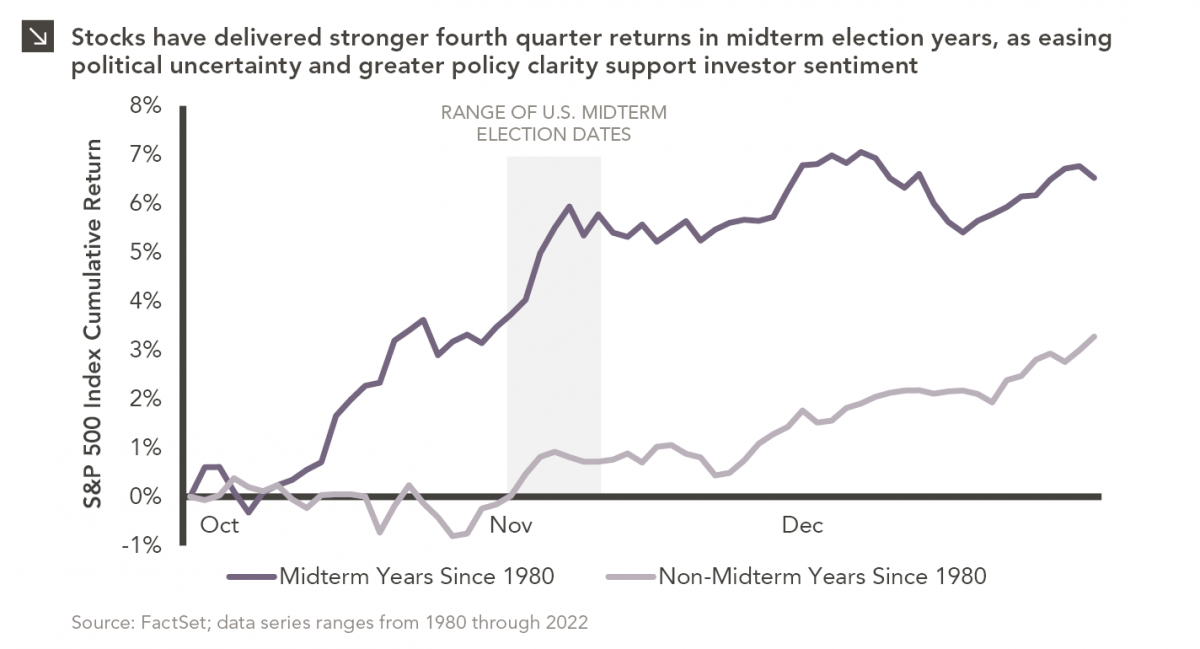
Since 1980, the S&P 500 Index has generally performed well in the weeks surrounding U.S. midterm elections. Specifically, the index…
10.12.2026
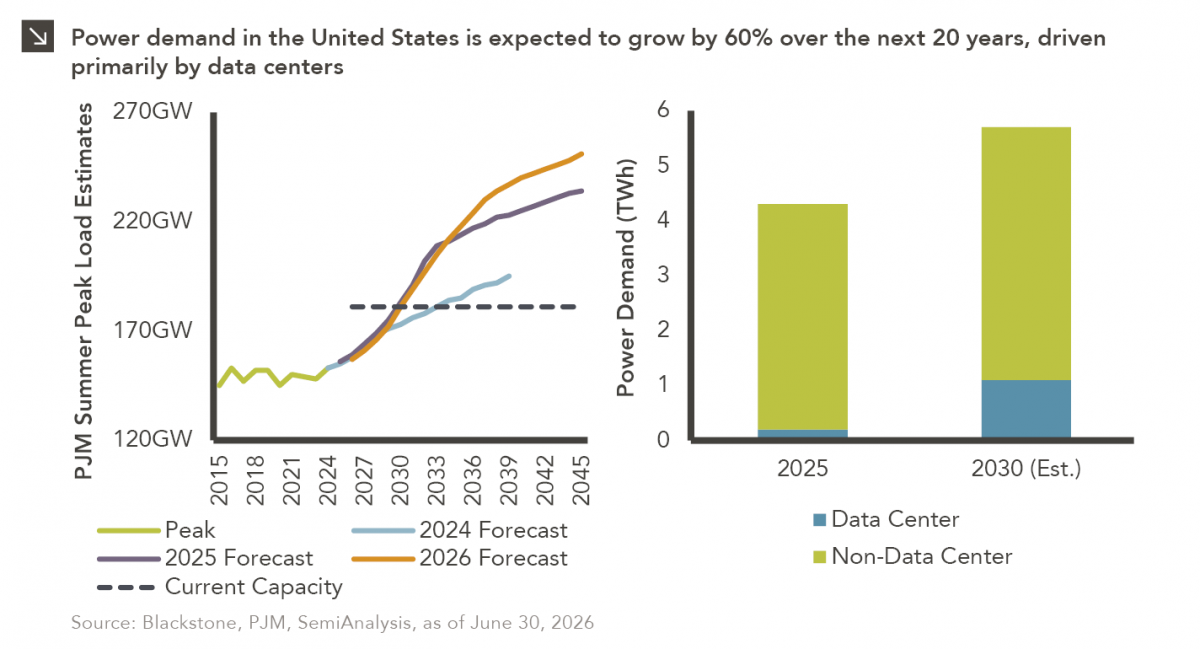
This week’s chart highlights the accelerating growth of electricity demand in the U.S., which has been driven primarily by the…
10.05.2026
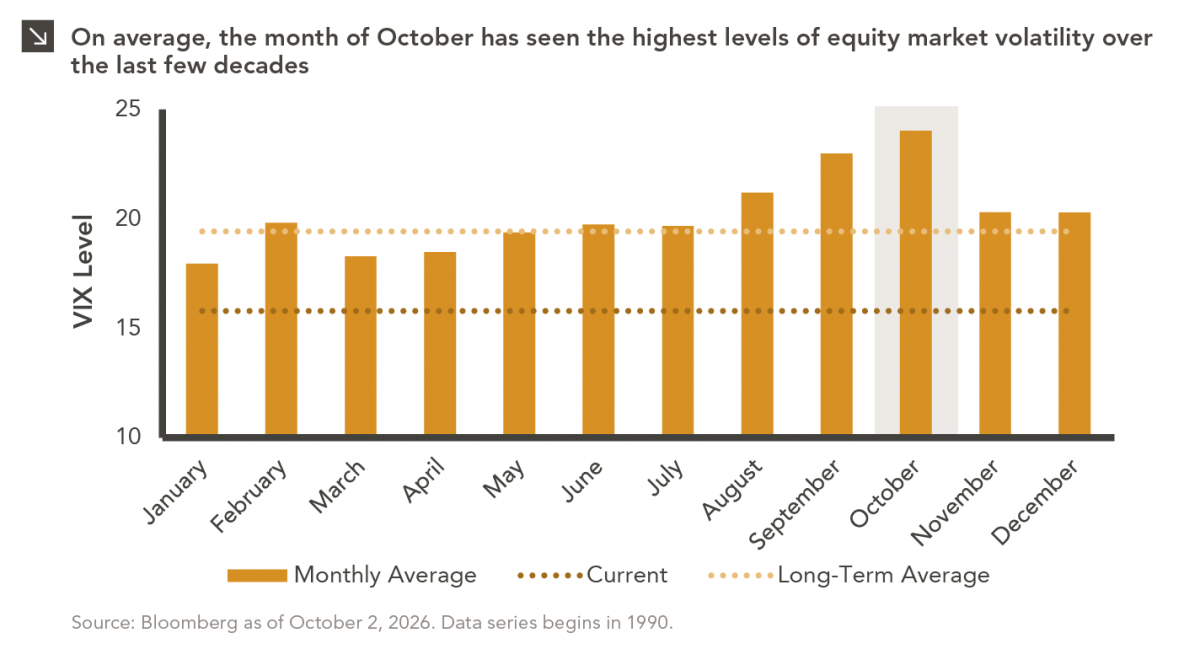
For investors, the spookiest thing about October might not be the ghosts and monsters that are bound to show up…
09.28.2026
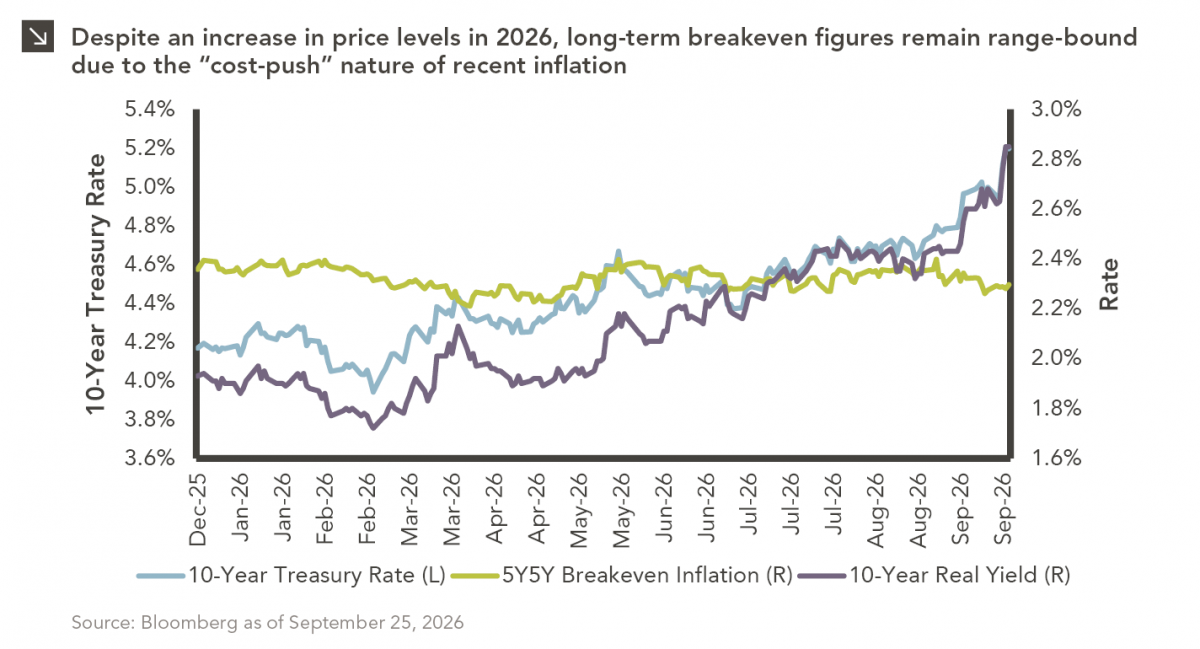
The phrase “expectations of higher inflation” has become a staple in financial news to explain the increase in nominal U.S….
Research alerts keep you updated on our latest research publications. Simply enter your contact information, choose the research alerts you would like to receive and click Subscribe. Alerts will be sent as research is published.
We respect your privacy. We will never share or sell your information.
If you have questions or need further information, please contact us directly and we will respond to your inquiry within 24 hours.
Contact Us >