09.08.2026
EMD’s Second Chance?
Over the last several years, emerging market debt (EMD) has faced several headwinds, with rising yields across other fixed income…


Against the current backdrop of unprecedented monetary stimulus, investors have become increasingly wary of future inflation and its potential degenerative effect on portfolio returns. While deflationary pressures appear more likely in the near term, the COVID-driven stimulus packages have created the potential for inflation once the pandemic has subsided. Predictably, investors are contemplating which asset classes can help hedge inflationary risk and real assets are a natural asset class to offset this risk.
During periods of upward price pressure, both real estate and infrastructure funds have at least some degree of pricing power, meaning they can boost rental income and revenue streams from their underlying holdings. In some cases, the embedded lease and contractual agreements of these holdings are linked to an inflation index, particularly for infrastructure. Therefore, the incomes of such holdings will rise as inflation rises and thus unlike fixed rate bonds, the real rate of return will not be eroded.
In order to examine this hypothesis, we compared traditional asset classes — stocks and bonds — to the real assets mentioned above: real estate and infrastructure. We compared cumulative returns during periods of above average inflation and during positive inflation surprises.¹ Although data is limited for real assets (particularly infrastructure), we analyzed cumulative returns for these four asset classes back to the earliest common date of index inception. Since the 2006 inception of the FTSE core infrastructure index, both real estate and infrastructure assets significantly outperformed U.S. equities and bonds during all periods when U.S. CPI rose above the period’s historical YOY average (1.9%). And during all quarters over the same period when developed world inflation experienced a material positive shock (“positive inflation surprises” defined previously), real assets also significantly outperformed both bonds and equities. Thus, while we have only experienced marginal inflationary pressure over the past 15 years, the data indicates that the inflation hedging mechanisms of real estate and infrastructure assets have been effective in protecting the purchasing power of portfolios. While it is difficult to forecast the ultimate timing, duration, and magnitude of inflation from this point forward, it is clear that real assets should offer a degree of insulation from the adverse effects of inflation.
Print PDF > Can Real Assets Help Protect Portfolios from Inflation?
¹ Surprises to developed world inflation are defined as periods where the expectations to the GDP weighted CPIs of the U.S., UK, and EU were below the actual CPI level by more than 10 bps.
The opinions expressed herein are those of Marquette Associates, Inc. (“Marquette”), and are subject to change without notice. This material is not financial advice or an offer to purchase or sell any product. Marquette reserves the right to modify its current investment strategies and techniques based on changing market dynamics or client needs.
09.08.2026
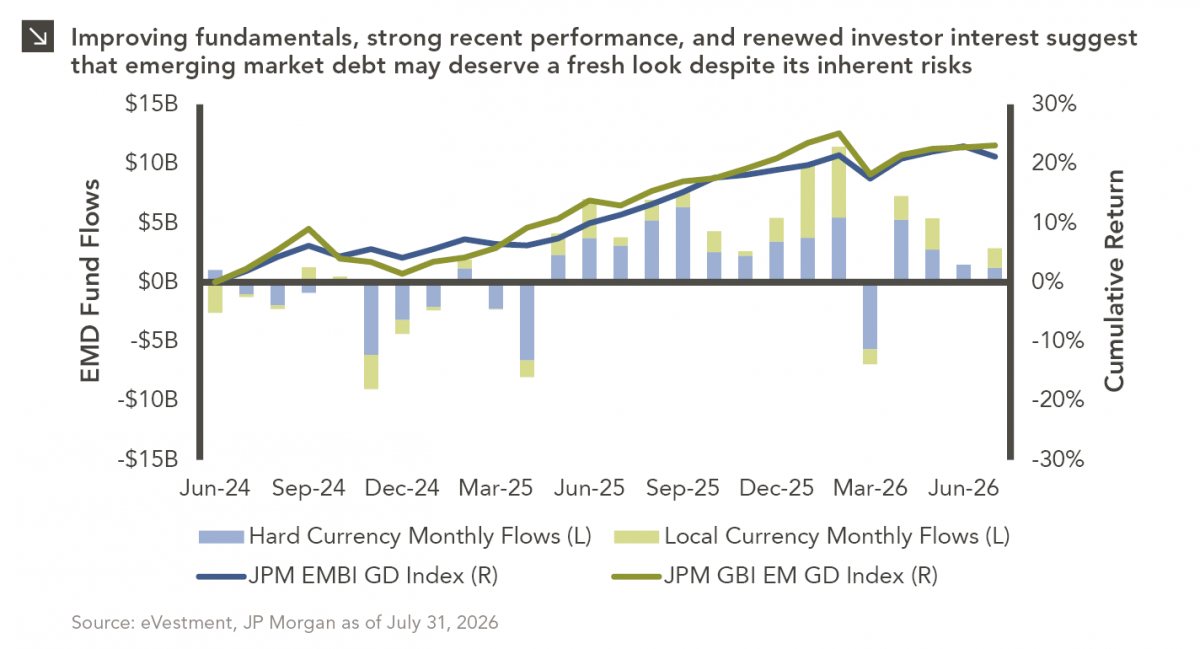
Over the last several years, emerging market debt (EMD) has faced several headwinds, with rising yields across other fixed income…
08.31.2026
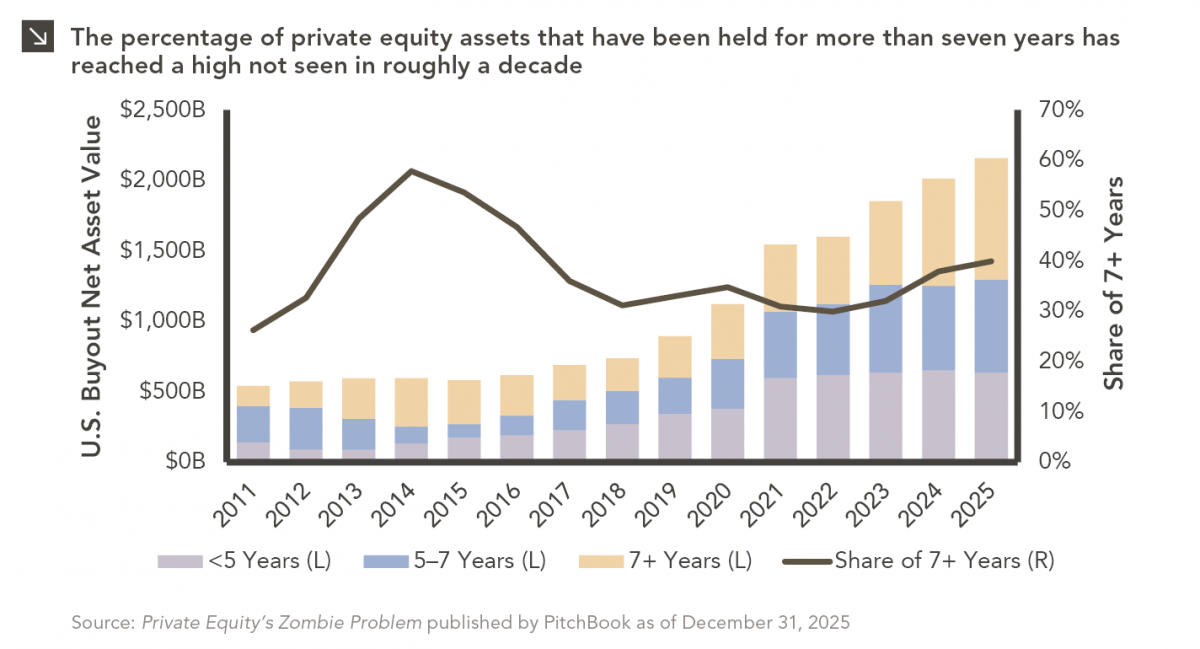
Private equity has always had a few portfolio companies that refused to leave the party. Today, however, the industry appears…
08.24.2026
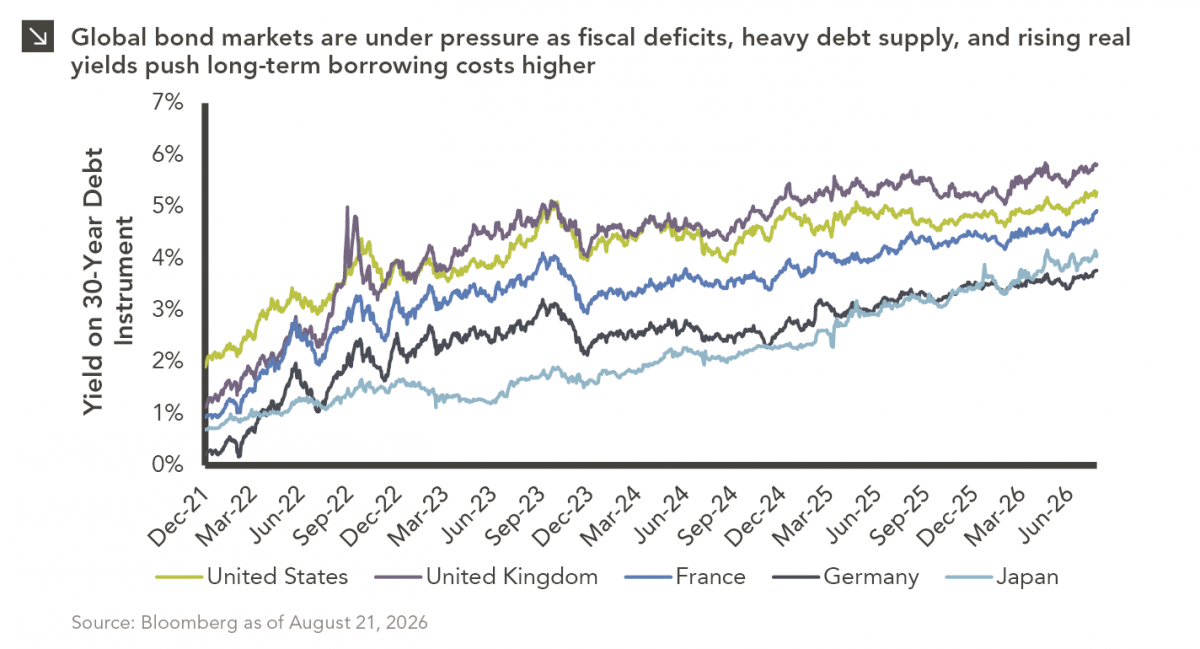
The global bond market is facing renewed pressure as investors demand higher yields to hold long-dated government debt, pushing borrowing…

08.17.2026
As a college football player struggling to put on mass, the “supersizing” deal at McDonald’s was hard to beat. For…
08.10.2026
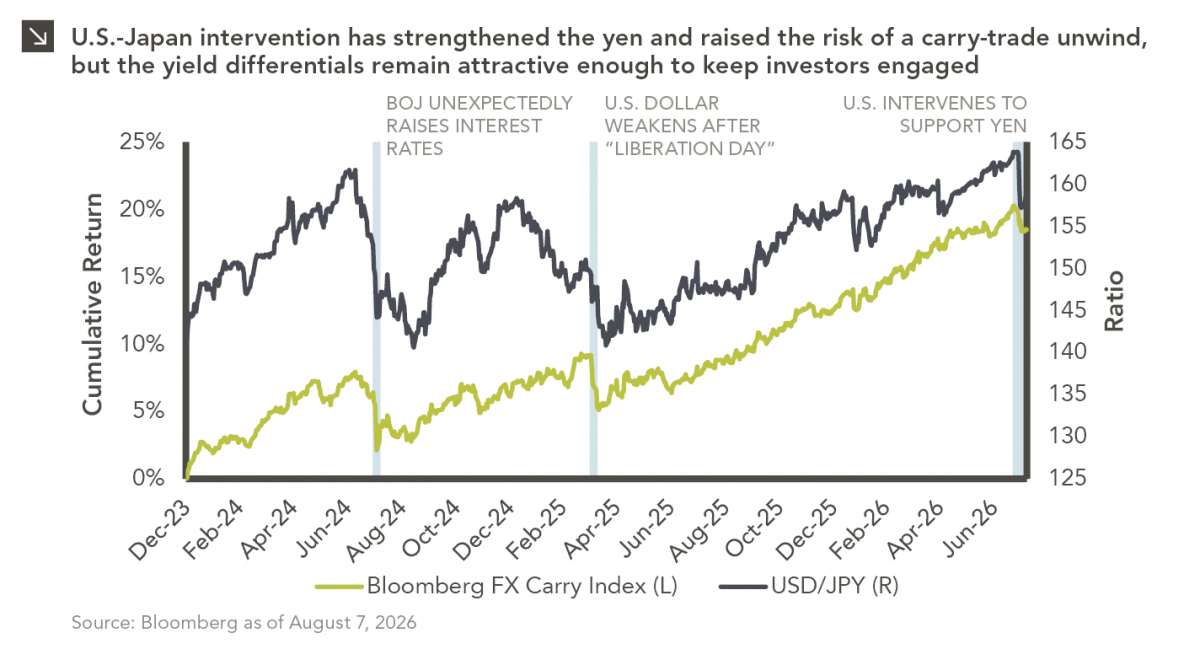
After reaching nearly ¥164 per dollar, its weakest level in roughly four decades, the yen had become a source of…
08.03.2026
In the cinematic masterpiece Rocky IV, Rocky gets dazed by his opponent, Captain Ivan Drago, and complains that he sees…
Research alerts keep you updated on our latest research publications. Simply enter your contact information, choose the research alerts you would like to receive and click Subscribe. Alerts will be sent as research is published.
We respect your privacy. We will never share or sell your information.
If you have questions or need further information, please contact us directly and we will respond to your inquiry within 24 hours.
Contact Us >