10.08.2026
3Q 2026 Market Insights
This video is a recording of a live webinar held October 22 by Marquette’s research team analyzing the third quarter…


In this week’s chart of the week, we look at the estimated growth of Gross Domestic Product (GDP) — the value of all goods and services produced across the economy — for the third quarter of 2020. GDP increased at a seasonally adjusted annual rate of 33.1% according to the “advance“ estimate released by the Bureau of Economic Analysis. This increase is the largest on record, following a record decline (-31.4%) in the second quarter as COVID-19 severely disrupted business activity across the country. The increase was driven by increases in personal consumption expenditures, private inventory investment, exports, nonresidential fixed investment, and residential fixed investment; detractors were decreases in federal, state, and local government spending. The actual quarter-on-quarter rate of expansion, without annualization, was 7.4%.
Economists expect the economy to expand throughout the fourth quarter though much more slowly compared to the third quarter. Rising COVID-19 cases across certain parts of the country could plunge the economy into turmoil again if states are forced to put tighter restrictions back in place, likely slowing consumption and ultimately, GDP growth. Mitigating factors to these trends are potential vaccine approval and distribution, as well as additional stimulus from the U.S. government. Fourth quarter GDP will undoubtedly hinge on how these themes play out and bear watching over the coming months.
Print PDF > Record Growth During Third Quarter, but Will It Continue?
The opinions expressed herein are those of Marquette Associates, Inc. (“Marquette”), and are subject to change without notice. This material is not financial advice or an offer to purchase or sell any product. Marquette reserves the right to modify its current investment strategies and techniques based on changing market dynamics or client needs.

10.08.2026
This video is a recording of a live webinar held October 22 by Marquette’s research team analyzing the third quarter…

10.22.2026
Anyone who has run a marathon knows the last six miles are brutal — no matter how well the first…
10.19.2026
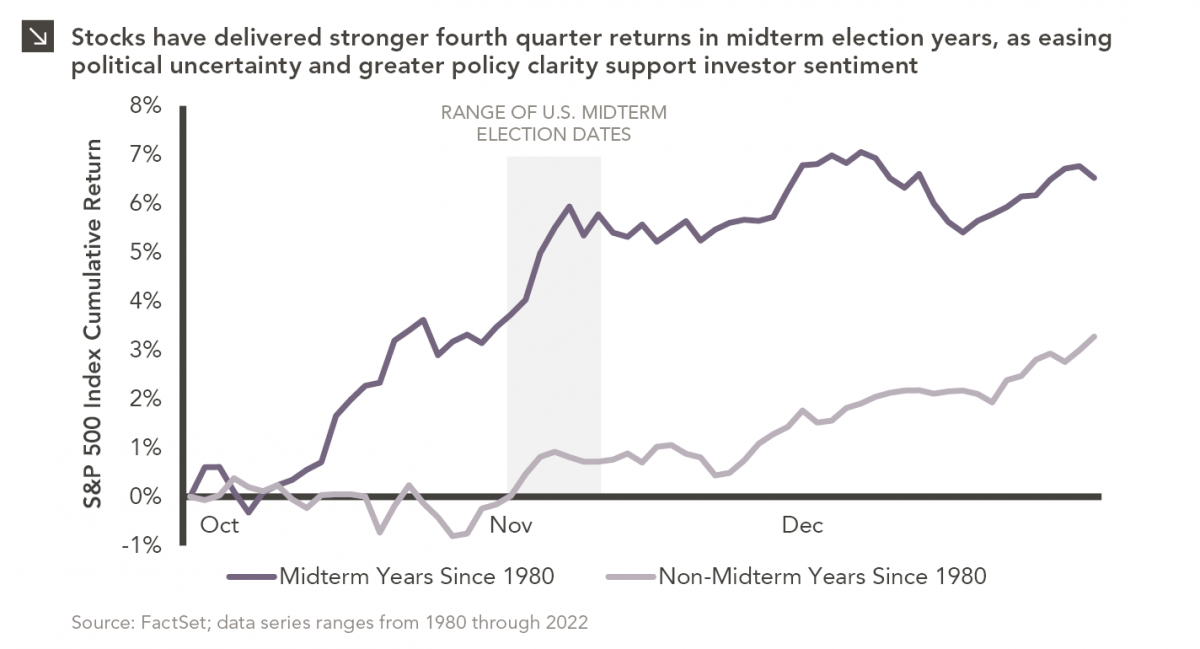
Since 1980, the S&P 500 Index has generally performed well in the weeks surrounding U.S. midterm elections. Specifically, the index…
10.12.2026
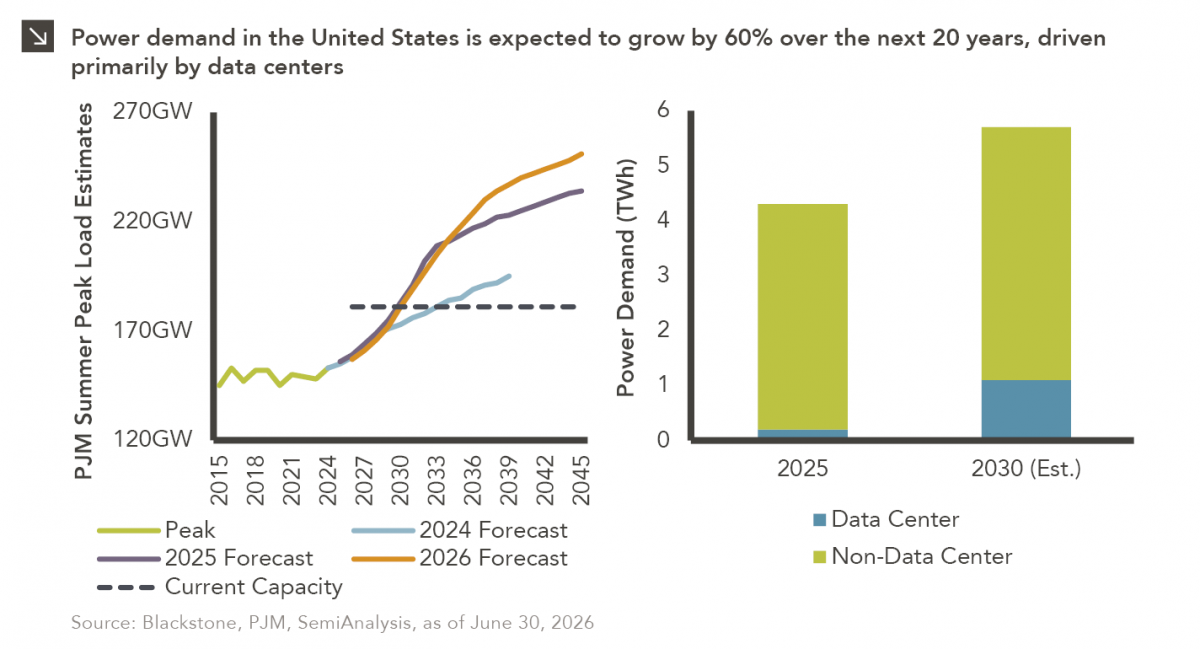
This week’s chart highlights the accelerating growth of electricity demand in the U.S., which has been driven primarily by the…
10.05.2026
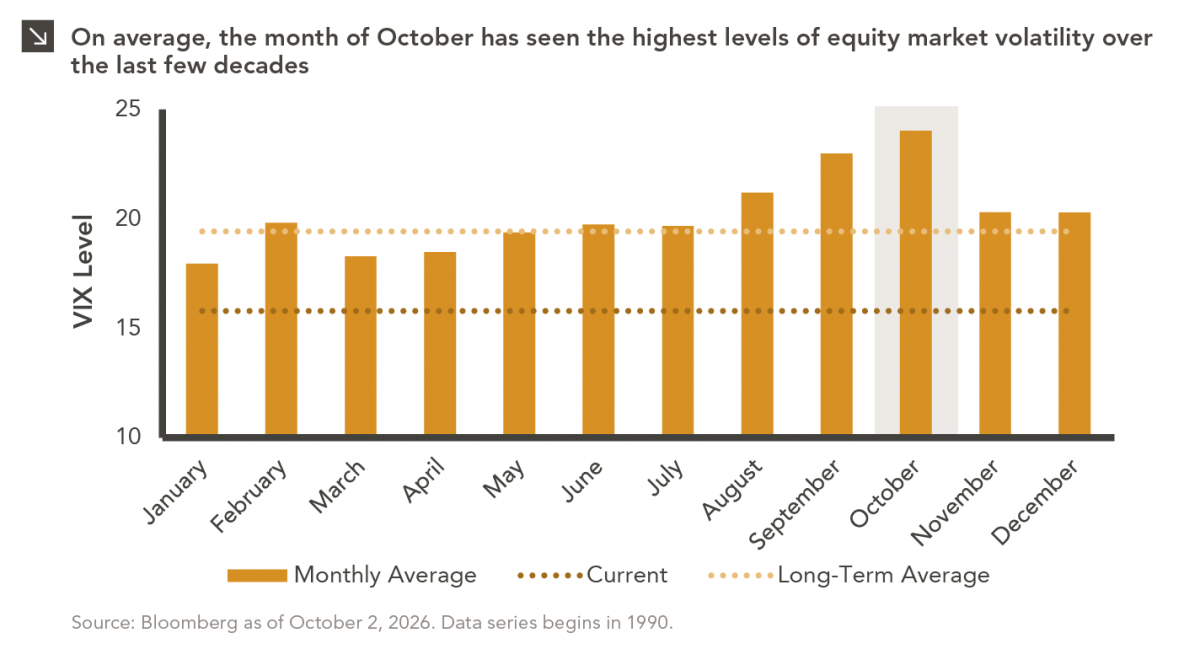
For investors, the spookiest thing about October might not be the ghosts and monsters that are bound to show up…
09.28.2026
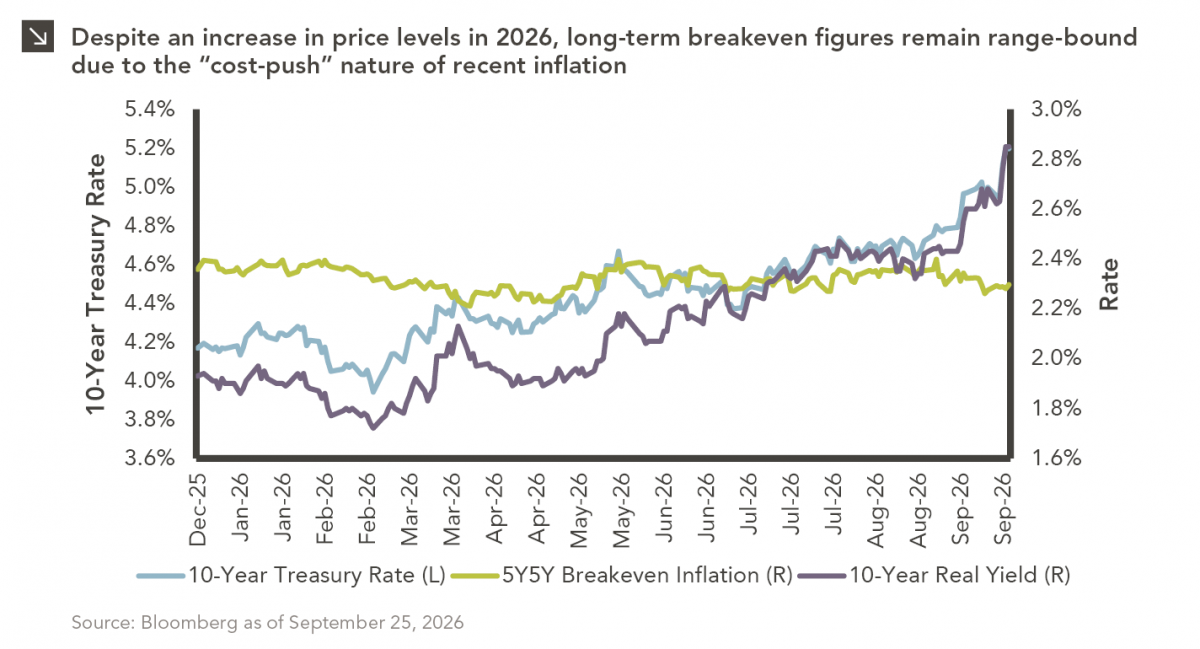
The phrase “expectations of higher inflation” has become a staple in financial news to explain the increase in nominal U.S….
Research alerts keep you updated on our latest research publications. Simply enter your contact information, choose the research alerts you would like to receive and click Subscribe. Alerts will be sent as research is published.
We respect your privacy. We will never share or sell your information.
If you have questions or need further information, please contact us directly and we will respond to your inquiry within 24 hours.
Contact Us >