Ross Williams
Assistant Vice President, Client Service
Get to Know Ross


This week, we take a look at down market captures (DMC) relative to top, middle, and bottom tier managers for U.S. large-cap equities. Down market captures illustrate how active managers perform during periods of negative benchmark performance. In this case, we are comparing the last 12 years of rolling 1-year down market captures for U.S. large-cap core managers who feature the S&P 500 index as their primary benchmark.
Theoretically, passive management is less beneficial than active management in down markets as passive management will capture 100% of the index returns during the negative periods. In examining the median manager down market captures (red line in chart), we see that the majority of the time active managers are able to outperform the benchmark in times of market declines (a reading below 100 indicates that the manager lost less than the benchmark).1 This is more evident when looking at the DMCs of managers in the 25th percentile. These managers are consistently outperforming the benchmark during the down market, and losing less capital for their investors. Managers in the 75th percentile consistently have DMCs greater than 100%, meaning they captured more than the negative performance of the benchmark, thus failing to protect in a downside market.
Given the overall efficiency of the U.S. large-cap equity asset class, many investors have moved away from active management over the last five years. And while this trend is not likely to reverse itself anytime soon, those who have identified above median managers may face less downside risk in the event of a market correction.
1It should be noted that outperforming the benchmark in times of market drops does NOT equate to positive returns; the manager just loses less than the benchmark.

The opinions expressed herein are those of Marquette Associates, Inc. (“Marquette”), and are subject to change without notice. This material is not financial advice or an offer to purchase or sell any product. Marquette reserves the right to modify its current investment strategies and techniques based on changing market dynamics or client needs.
10.12.2026
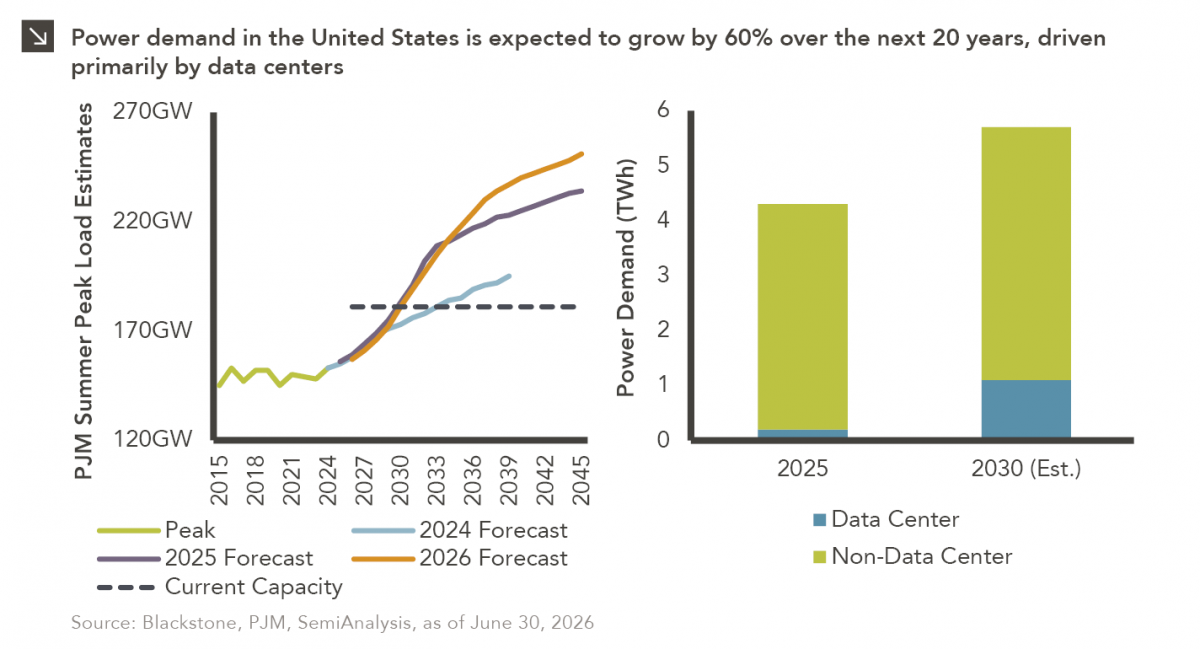
This week’s chart highlights the accelerating growth of electricity demand in the U.S., which has been driven primarily by the…

10.08.2026
LIVE WEBINAR — OCTOBER 22 Please join Marquette’s research team for our 3Q 2026 Market Insights Webinar…
10.05.2026
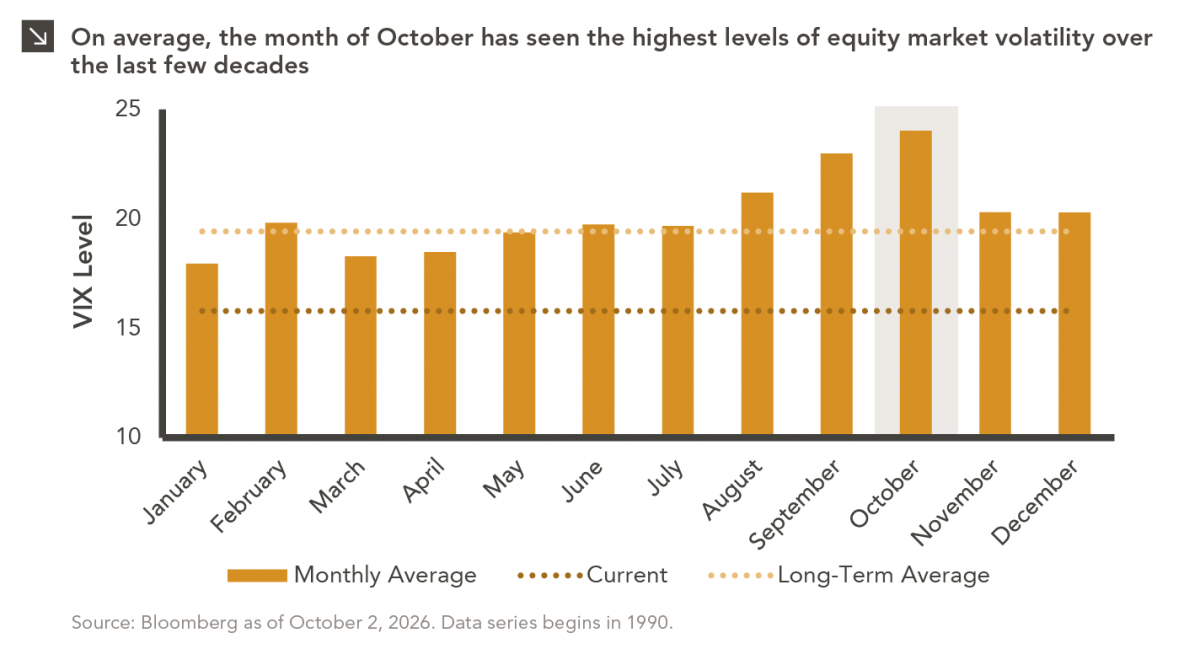
For investors, the spookiest thing about October might not be the ghosts and monsters that are bound to show up…

09.28.2026
The phrase “expectations of higher inflation” has become a staple in financial news to explain the increase in nominal U.S….
09.21.2026
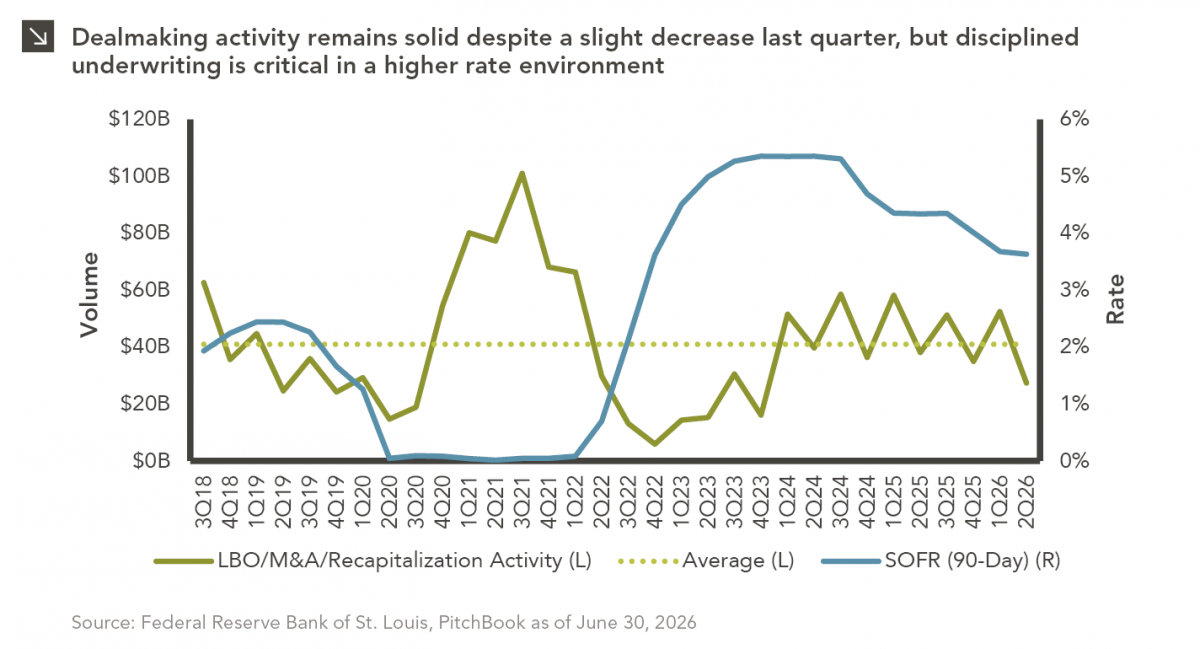
For much of the past several years, the conventional view has been that higher interest rates and stretched valuations would…
09.14.2026
There are many great things about working at Marquette Associates, but “Free Lunch Tuesday” is right at the top of…
Research alerts keep you updated on our latest research publications. Simply enter your contact information, choose the research alerts you would like to receive and click Subscribe. Alerts will be sent as research is published.
We respect your privacy. We will never share or sell your information.
If you have questions or need further information, please contact us directly and we will respond to your inquiry within 24 hours.
Contact Us >