Jessica Noviskis, CFA
Portfolio Strategist, OCIO Services


The market’s continued rally following the U.S. election has been a welcome relief, even more so for value investors. Since major media outlets called the presidential race for now President-elect Biden on November 7th, the Russell 1000 Value Index has outperformed the Russell 1000 Growth Index by 6.6%, and at one point by more than 10%. It has been the strongest value run since the dot-com bubble burst in 2001. The Monday following the result, November 9th, was the best single day for value over growth ever.
Presidential elections and other regime changes can often spark a rotation within the market. In this case, in addition to expectations for additional stimulus post the election, the delayed election results lined up with Pfizer’s announcement — and the peer announcements that followed — that its COVID-19 vaccine candidate was found to be more than 90% effective. Stocks generally, but in particular, more cyclical businesses and industries most impacted by the pandemic, rallied and have continued to gain momentum. Banks are up 20% and Energy stocks more than 30%. Technology and Healthcare have lagged despite the Republican gains in Congress that subsequently reduced the risk of sweeping regulatory changes.
The question now is whether value can maintain this momentum. Interestingly, the move is reminiscent of the period following the 2016 election. From the election on November 8th, 2016 to a peak in mid-December, value had outpaced growth by 5%. Financials, along with Energy and Basic Materials, led at that point as well, though for different reasons, set to benefit from expected regulatory rollbacks, tax cuts, and protectionist trade policies. Technology unsurprisingly lagged following Trump’s attacks on Tech bellwethers throughout his campaign. But the high expectations fizzled as Trump’s agenda hit roadblocks. In 2016, value’s advantage lasted roughly a month, with growth back on top by mid-March 2017. Only time will tell how market dynamics will play out this time. Relative to growth, value is trading at some of the most attractive valuations ever. But several of the same trends that led to growth’s dominance over the last decade, and certainly this year, are also arguably stronger than ever.
Print PDF > Is Growth Conceding?

The opinions expressed herein are those of Marquette Associates, Inc. (“Marquette”), and are subject to change without notice. This material is not financial advice or an offer to purchase or sell any product. Marquette reserves the right to modify its current investment strategies and techniques based on changing market dynamics or client needs.
10.12.2026
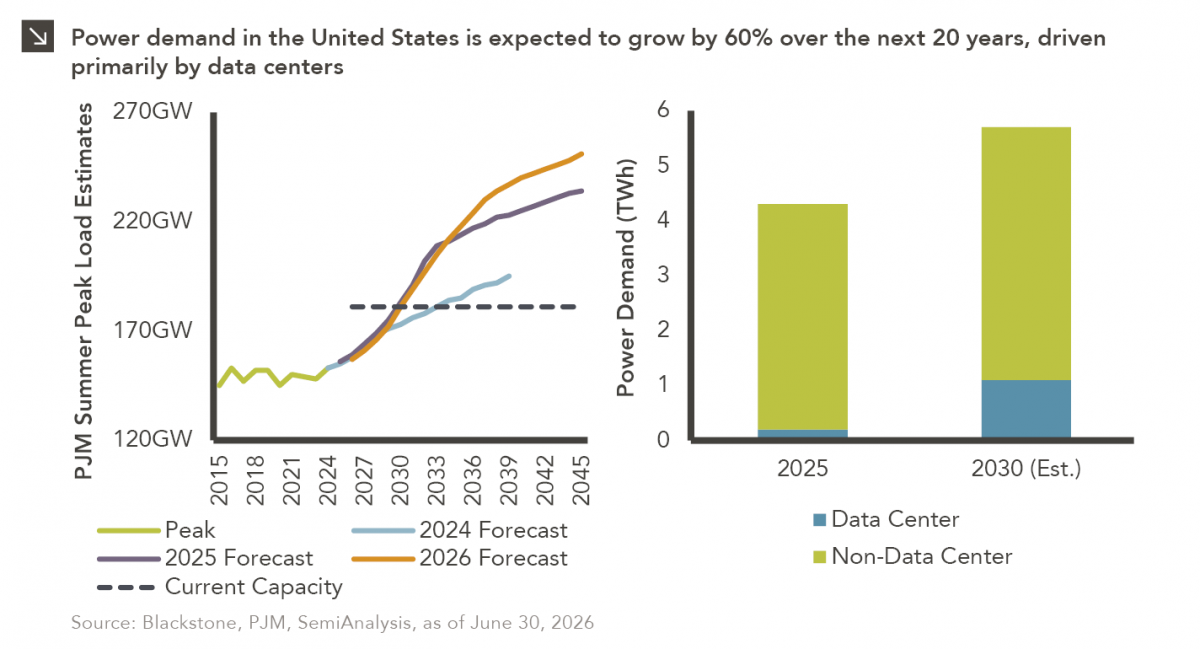
This week’s chart highlights the accelerating growth of electricity demand in the U.S., which has been driven primarily by the…

10.08.2026
LIVE WEBINAR — OCTOBER 22 Please join Marquette’s research team for our 3Q 2026 Market Insights Webinar…
10.05.2026
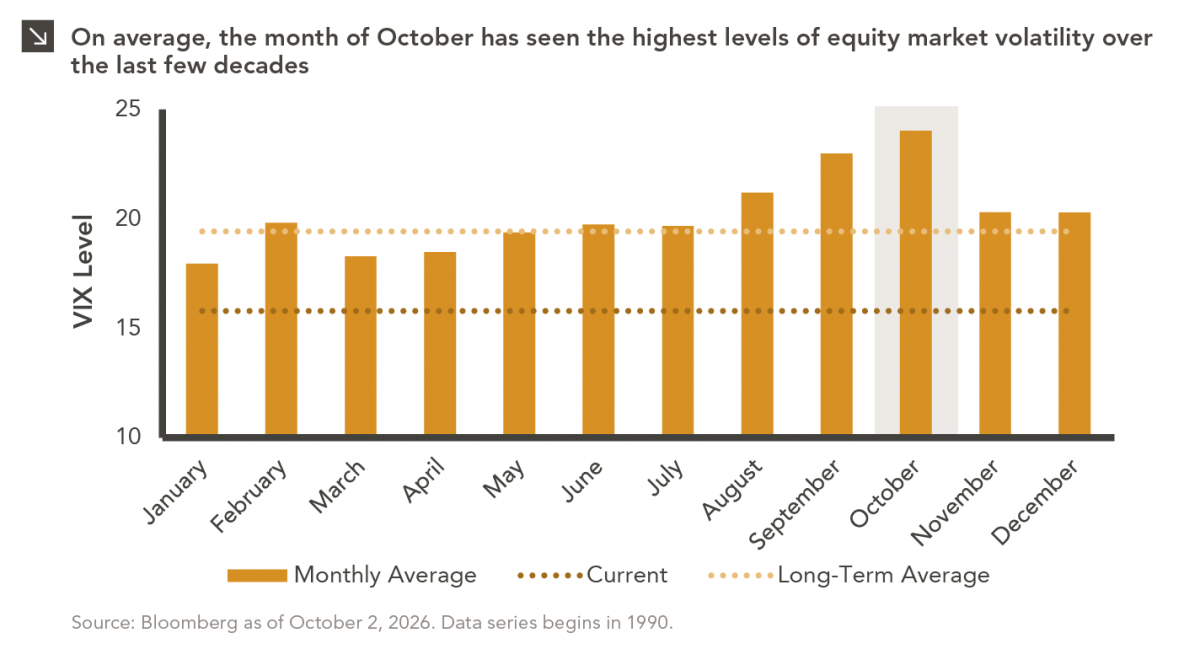
For investors, the spookiest thing about October might not be the ghosts and monsters that are bound to show up…
09.28.2026
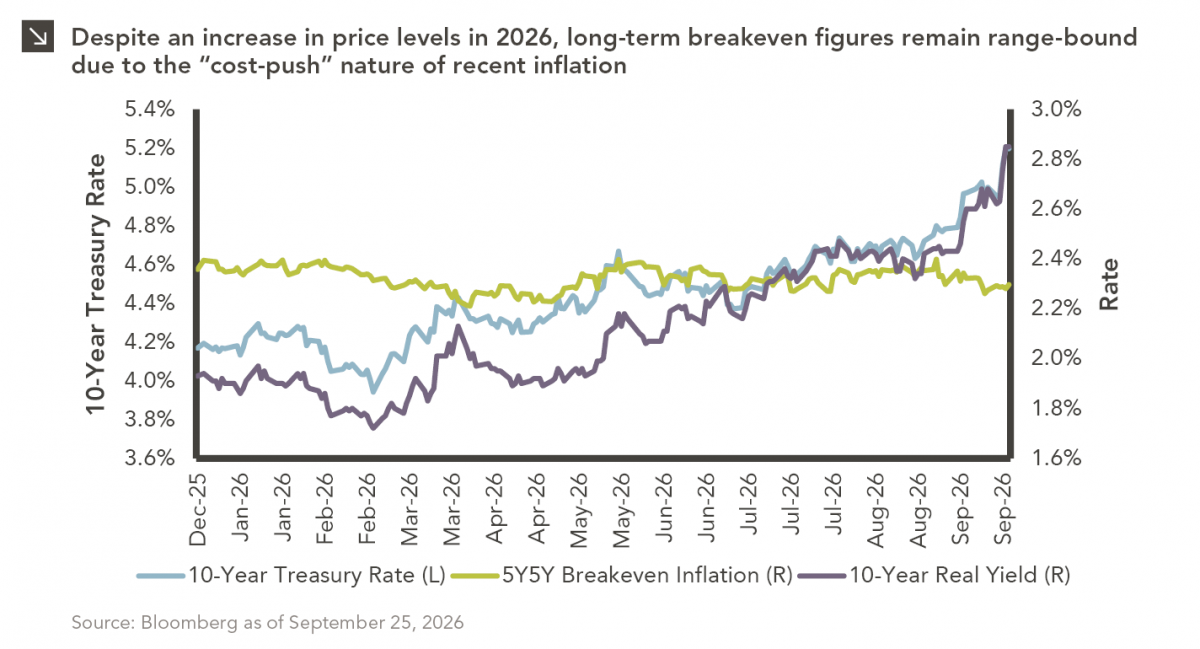
The phrase “expectations of higher inflation” has become a staple in financial news to explain the increase in nominal U.S….
09.21.2026
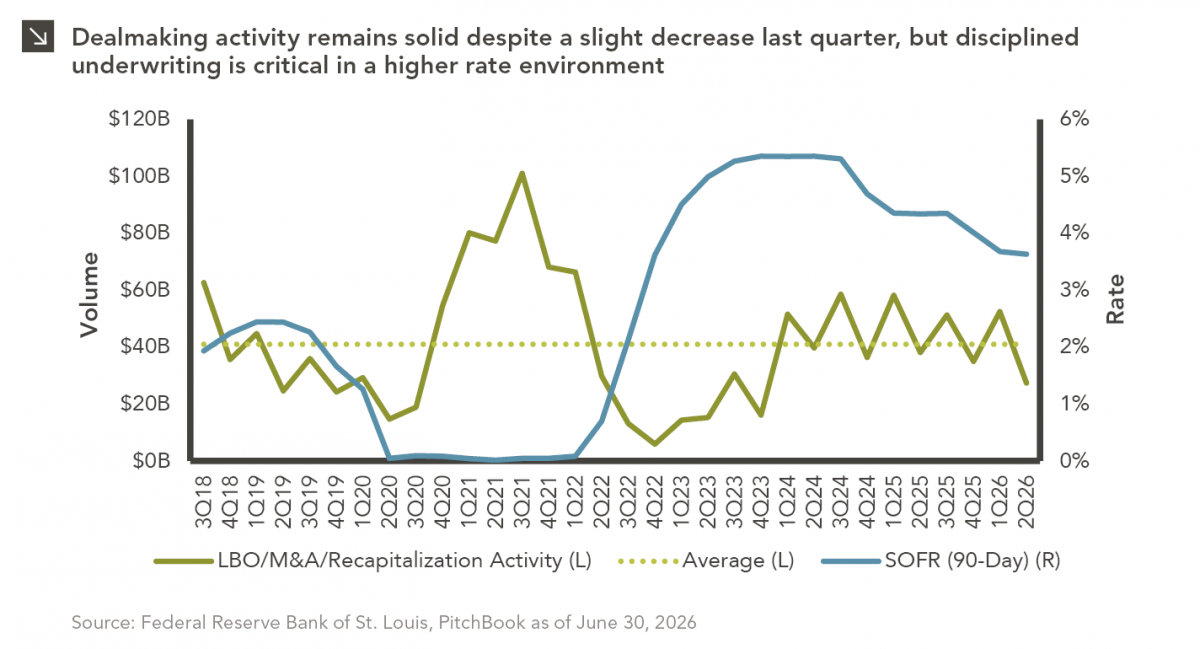
For much of the past several years, the conventional view has been that higher interest rates and stretched valuations would…
09.14.2026
There are many great things about working at Marquette Associates, but “Free Lunch Tuesday” is right at the top of…
Research alerts keep you updated on our latest research publications. Simply enter your contact information, choose the research alerts you would like to receive and click Subscribe. Alerts will be sent as research is published.
We respect your privacy. We will never share or sell your information.
If you have questions or need further information, please contact us directly and we will respond to your inquiry within 24 hours.
Contact Us >