09.08.2026
EMD’s Second Chance?
Over the last several years, emerging market debt (EMD) has faced several headwinds, with rising yields across other fixed income…


On January 8th, the U.S. Bureau of Labor Statistics released the unemployment rate for December 2015 and additionally on January 12th released the Job Opening and Labor Turnover (JOLT) report for November 2015. This week’s chart focuses on these two reports and the strength of the U.S. labor market as we enter 2016. As the chart shows, unemployment has changed little over the past six months, ending at 5.0% for December. Furthermore, the amount of open jobs has also held steady over the same period, ending at approximately 5.4M openings as of November 2015.
The high number of open jobs could very well signal that the currently available workforce is unable to satisfy the requirements of these jobs and the economy is reaching (or already at) full employment. If the labor market is truly at full employment, we would expect to see several new dynamics emerge. First, upward pressure on wages could emerge as employers will have to offer more to potential workers for them to change jobs. Wage growth has been one of the slowest factors in the economic recovery, increasing only 1.55% during the first eleven months of 2015. Another outcome is that the jobs available require specific skills or education, thus meaning those unemployed could pursue such qualifications to obtain one of these open jobs. As job seekers choose to pursue additional training or education, they would likely drop out of the labor force, therefore further depressing the participation rate and potentially decreasing the unemployment rate through the “denominator effect.” A final outcome is that as the New Year starts and firms obtain fresh budgets, they will continue to hire, hence adding additional jobs to the labor market. While these outcomes described are not all-inclusive they do provide some insight into the current outlook for the labor market, and help explain why the Federal Reserve had sufficient confidence in the labor market to initiate the rate hike in December.
The opinions expressed herein are those of Marquette Associates, Inc. (“Marquette”), and are subject to change without notice. This material is not financial advice or an offer to purchase or sell any product. Marquette reserves the right to modify its current investment strategies and techniques based on changing market dynamics or client needs.
09.08.2026
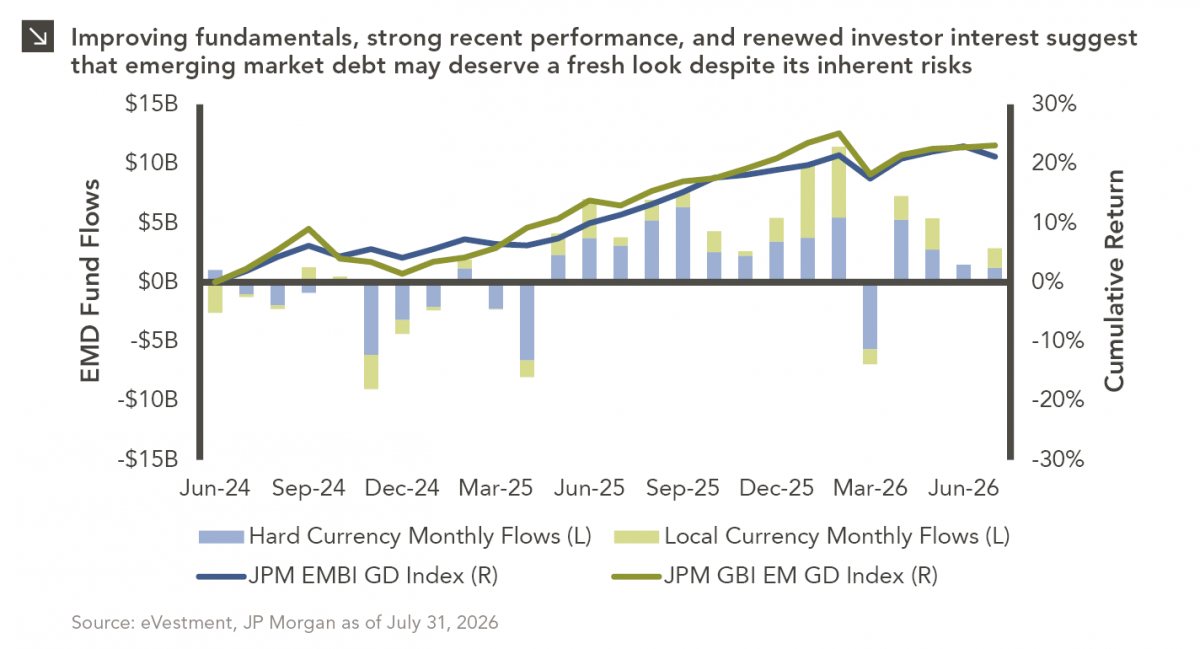
Over the last several years, emerging market debt (EMD) has faced several headwinds, with rising yields across other fixed income…
08.31.2026
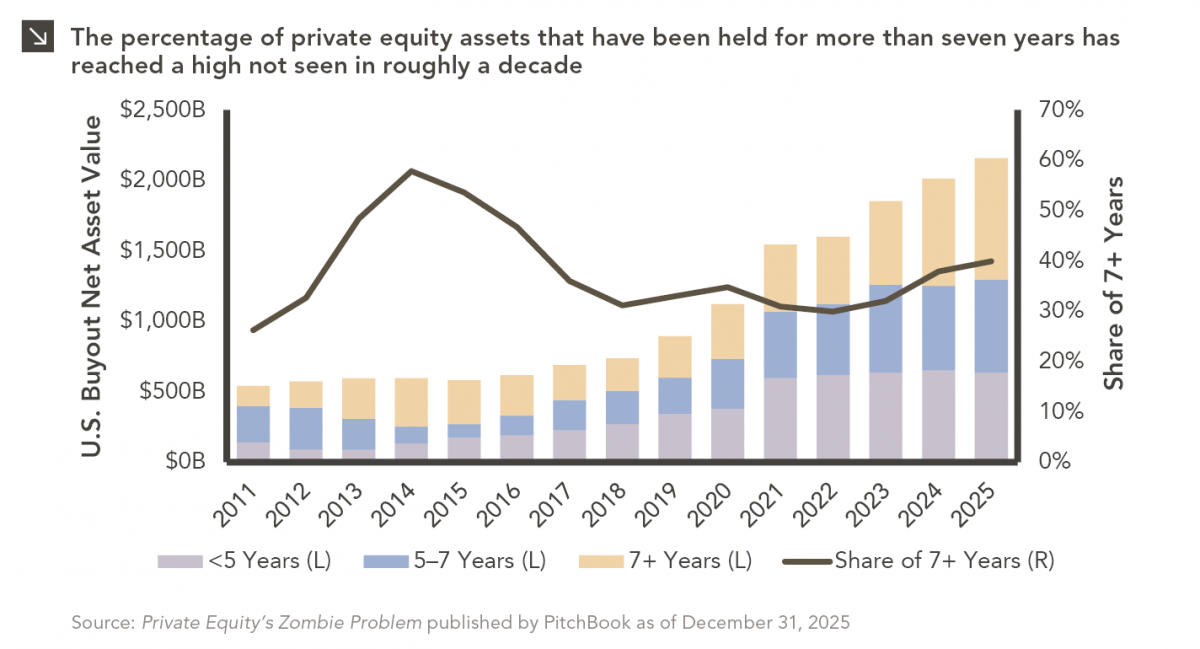
Private equity has always had a few portfolio companies that refused to leave the party. Today, however, the industry appears…
08.24.2026
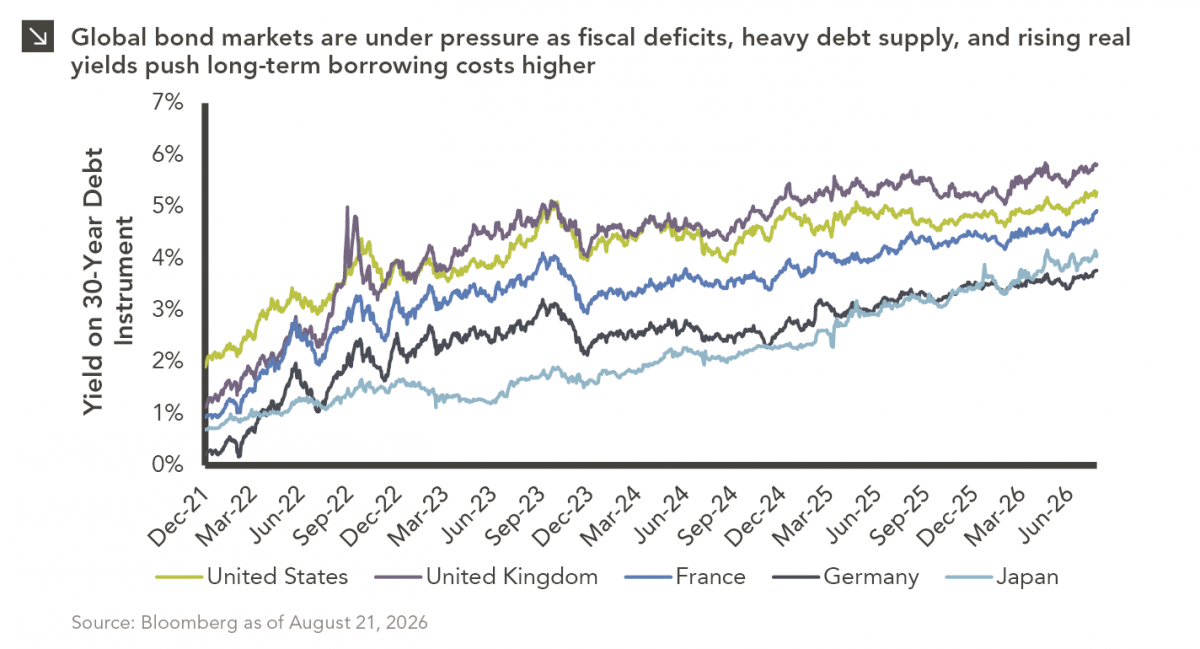
The global bond market is facing renewed pressure as investors demand higher yields to hold long-dated government debt, pushing borrowing…

08.17.2026
As a college football player struggling to put on mass, the “supersizing” deal at McDonald’s was hard to beat. For…
08.10.2026
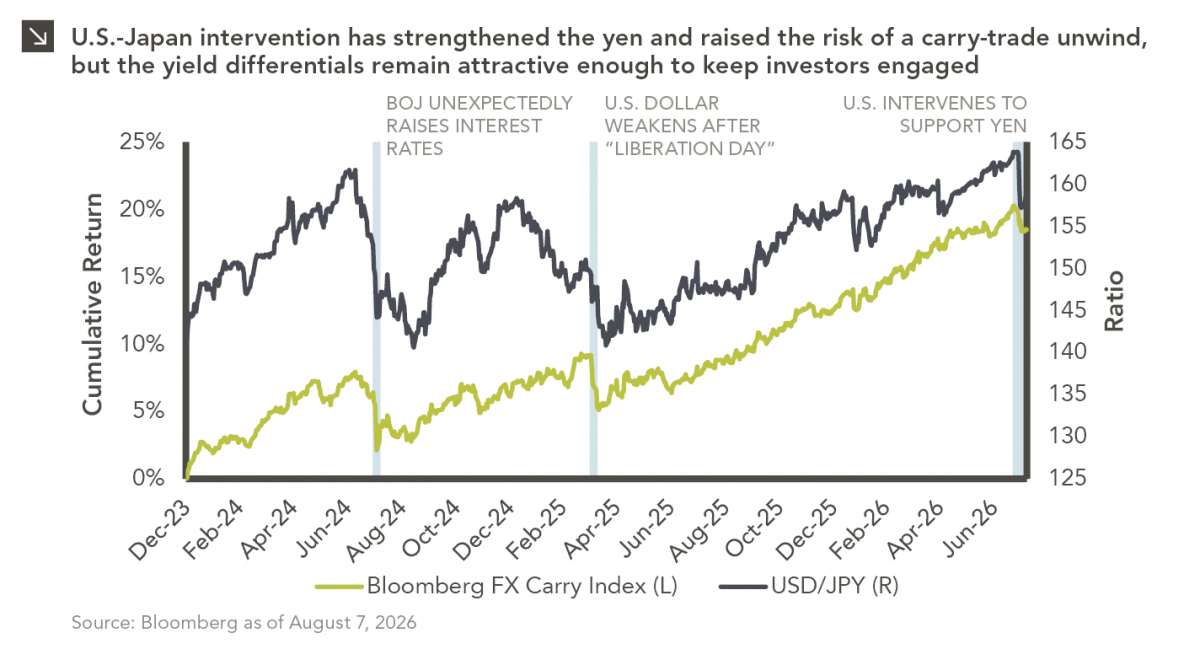
After reaching nearly ¥164 per dollar, its weakest level in roughly four decades, the yen had become a source of…
08.03.2026
In the cinematic masterpiece Rocky IV, Rocky gets dazed by his opponent, Captain Ivan Drago, and complains that he sees…
Research alerts keep you updated on our latest research publications. Simply enter your contact information, choose the research alerts you would like to receive and click Subscribe. Alerts will be sent as research is published.
We respect your privacy. We will never share or sell your information.
If you have questions or need further information, please contact us directly and we will respond to your inquiry within 24 hours.
Contact Us >