09.08.2026
EMD’s Second Chance?
Over the last several years, emerging market debt (EMD) has faced several headwinds, with rising yields across other fixed income…


In 2015, the emerging market equity index declined 14.9%. While there are a variety of explanations for this, one can not underestimate the impact of a stronger dollar. In fact, currency losses were responsible for more than 60% of the decline for U.S.-based investors. This week’s chart of the week examines the mechanics of how a stronger dollar can drive losses for emerging market investments.
Typically when U.S. interest rates rise, the dollar strengthens relative to foreign currencies. Investors oftentimes onshore investments during rising rate periods, and as a result, the country as a whole “exports” less dollars. The commodity price declines — especially oil — have been a major contributor to the rise in the U.S. dollar as the U.S. exports fewer dollars per unit. In our chart, we use the quantity of oil imported multiplied by its price as a proxy for the amount of dollars exported each month. During 2014, the United States imported an average of $26 billion a month in oil. During the first ten months of 2015, the U.S. imported an average of $14 billion a month, clearly a large drop and in conjunction with dollar strengthening and emerging market equity declines.
So why do emerging market investments fall? Emerging market economies often depend on dollar-denominated revenues to service debts as well as manage interest rates and exchange rates. If emerging market countries are receiving less dollars from the U.S., they face increased pressures from higher borrowing costs and lower dollar-denominated revenues. In addition, with less revenue, it is more difficult to promote internal growth via exchange rates or interest rate policies. Unfortunately, as U.S. interest rates are poised to rise further in 2016, emerging markets are likely to experience heightened volatility as a result.
The opinions expressed herein are those of Marquette Associates, Inc. (“Marquette”), and are subject to change without notice. This material is not financial advice or an offer to purchase or sell any product. Marquette reserves the right to modify its current investment strategies and techniques based on changing market dynamics or client needs.
09.08.2026
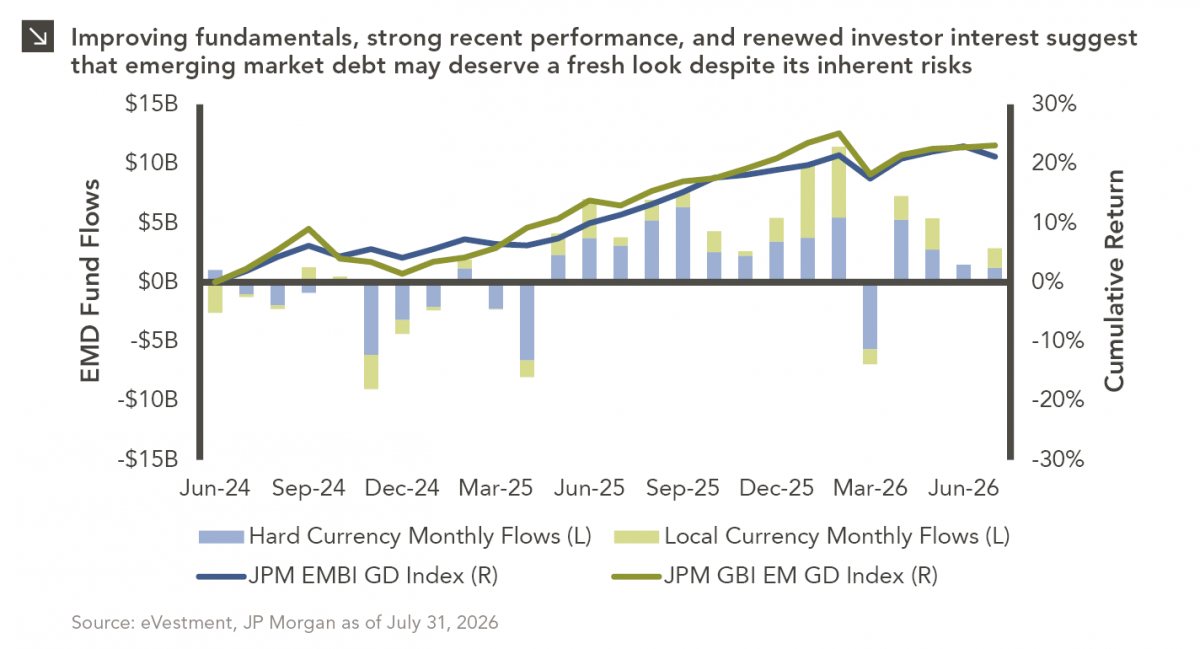
Over the last several years, emerging market debt (EMD) has faced several headwinds, with rising yields across other fixed income…
08.31.2026
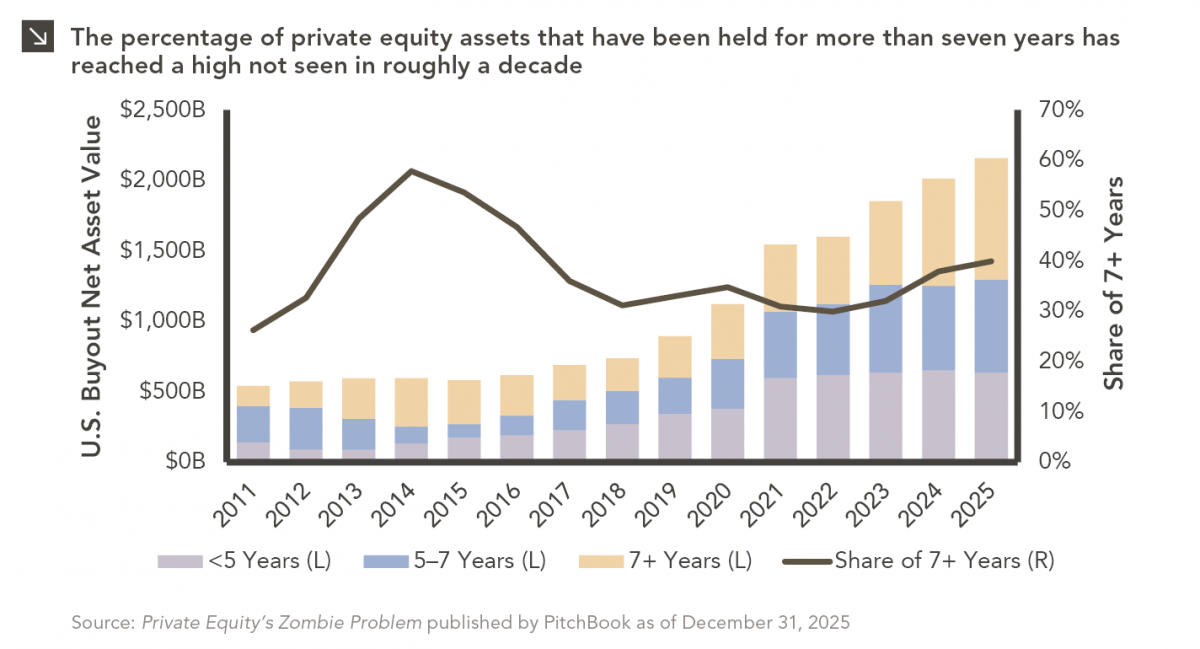
Private equity has always had a few portfolio companies that refused to leave the party. Today, however, the industry appears…
08.24.2026
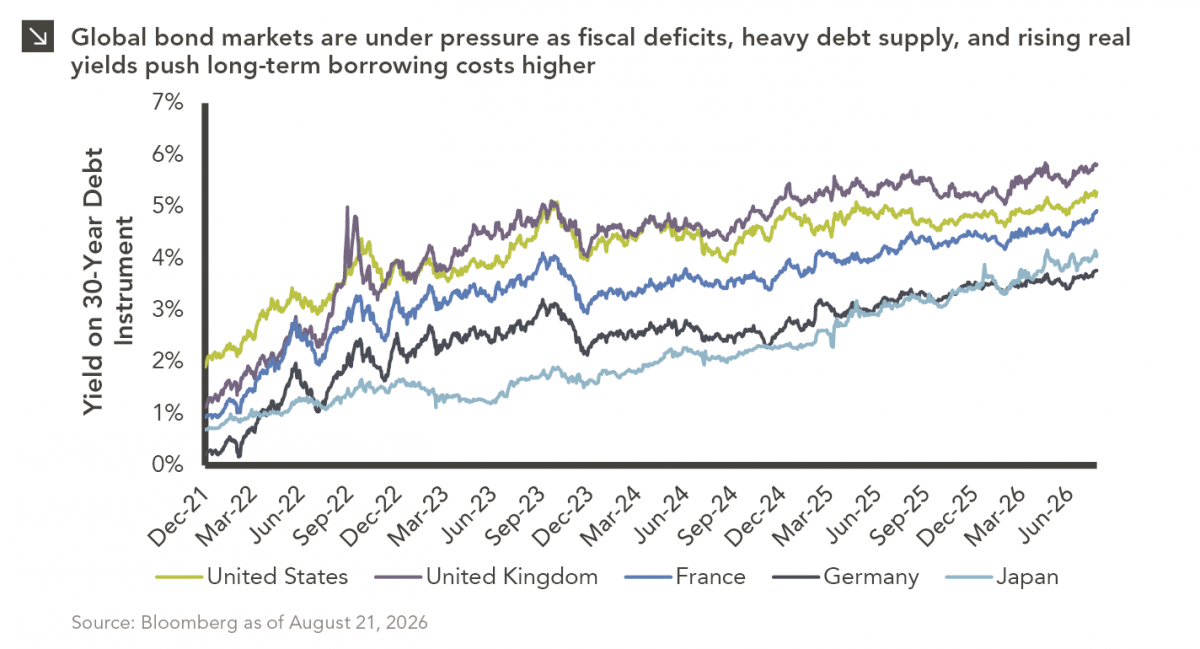
The global bond market is facing renewed pressure as investors demand higher yields to hold long-dated government debt, pushing borrowing…

08.17.2026
As a college football player struggling to put on mass, the “supersizing” deal at McDonald’s was hard to beat. For…
08.10.2026
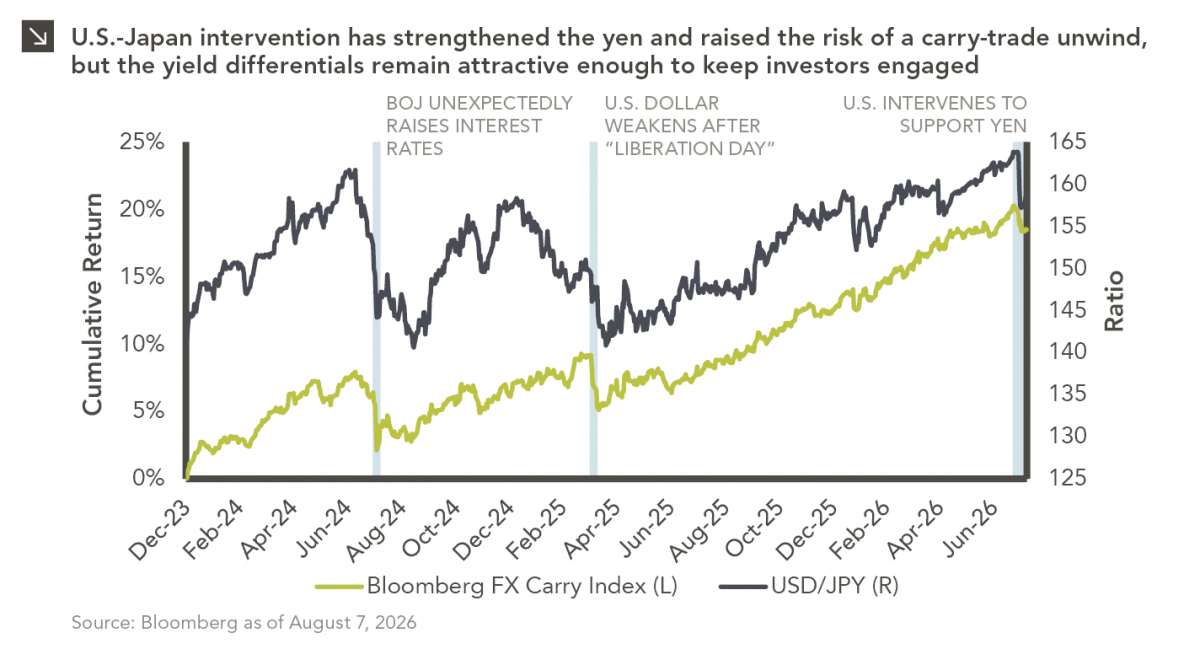
After reaching nearly ¥164 per dollar, its weakest level in roughly four decades, the yen had become a source of…
08.03.2026
In the cinematic masterpiece Rocky IV, Rocky gets dazed by his opponent, Captain Ivan Drago, and complains that he sees…
Research alerts keep you updated on our latest research publications. Simply enter your contact information, choose the research alerts you would like to receive and click Subscribe. Alerts will be sent as research is published.
We respect your privacy. We will never share or sell your information.
If you have questions or need further information, please contact us directly and we will respond to your inquiry within 24 hours.
Contact Us >