Dennis Yu
Research Analyst


As the real estate market evolves, alternative sectors are expected to drive significant growth in the coming years. Senior housing, cold storage, industrial assets, and data centers are expected to be particularly popular among investors, with each benefiting from unique factors like demographic changes and technological progress. Senior housing stands out as the sector with the highest projected NOI growth (9.7%) due to an aging U.S. population and the growing demand for retirement communities. Additionally, senior housing properties currently present value-add opportunities, as the average occupancy rate of 85% remains below historical norms due to regulatory challenges and restrictions implemented during the COVID-19 pandemic. As these regulatory pressures ease, there is significant potential for occupancy recovery and rent growth. Properties offering a mix of independent living, assisted living, and memory care units are especially attractive, as they cater to the diverse needs of an aging population and ensure steady revenues. These newer facilities, designed to meet the needs of both residents and their families, often achieve higher occupancy rates and command premium rents compared to older properties, enhancing their investment appeal. Regions with favorable climates, such as the Sunbelt and Mountain areas, are particularly attractive for these investments.
The single-family rental and affordable housing sectors are also gaining traction, as rising homeownership costs and a lack of affordable housing have increased demand for these types of properties. Affordable housing, particularly properties supported by government voucher programs, provides resilient income streams and often generates higher rental yields compared to traditional multifamily assets, making these segments essential in addressing housing shortages in high-growth regions. Data centers and digital infrastructure are becoming critical drivers of NOI growth as well, supported by the rising adoption of cloud services, e-commerce, and advanced computing. Meanwhile, smaller-scale industrial assets and cold storage are thriving due to increased demand for temperature-controlled supply chains and multi-tenant facilities that cater to small businesses. Together, these sectors offer durable demand, scalability, and opportunities to benefit from modern supply chain trends.
While the outlook for these alternative real estate sectors is strong, investment in these spaces does not come without risks. Regulatory challenges, energy consumption concerns for data centers, and liquidity issues in niche sectors like cold storage and affordable housing require careful consideration. That said, the structural trends detailed above should serve as tailwinds for alternative real estate in the years ahead.
Print PDF
The opinions expressed herein are those of Marquette Associates, Inc. (“Marquette”), and are subject to change without notice. This material is not financial advice or an offer to purchase or sell any product. Marquette reserves the right to modify its current investment strategies and techniques based on changing market dynamics or client needs.
10.19.2026
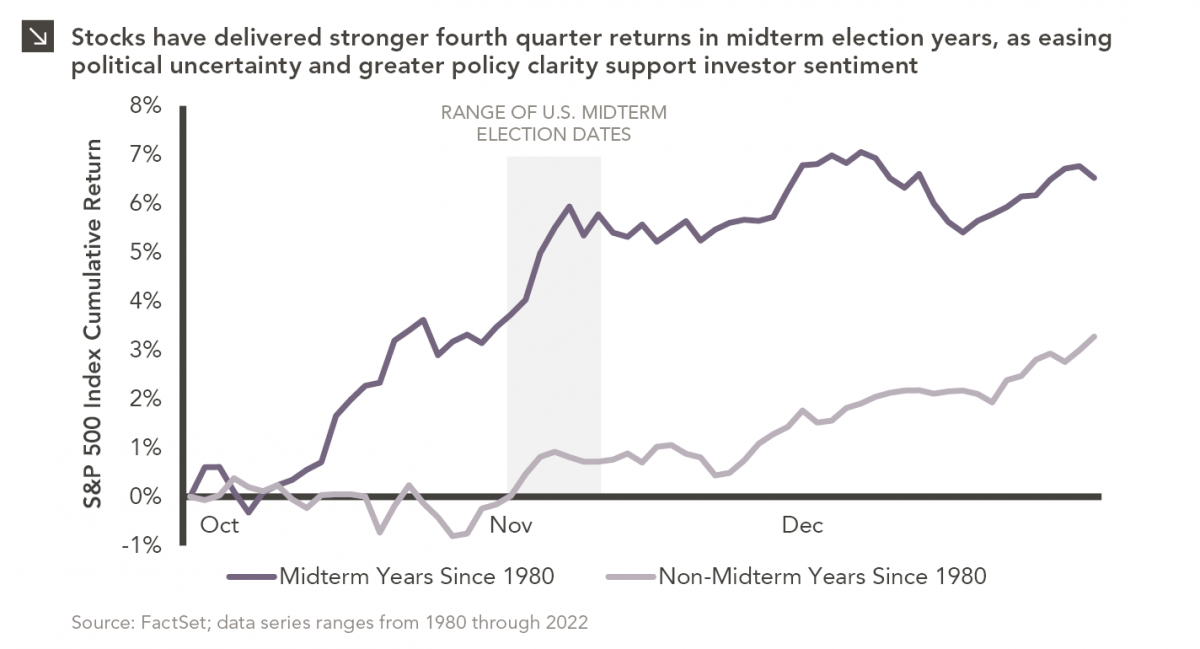
Since 1980, the S&P 500 Index has generally performed well in the weeks surrounding U.S. midterm elections. Specifically, the index…
10.12.2026
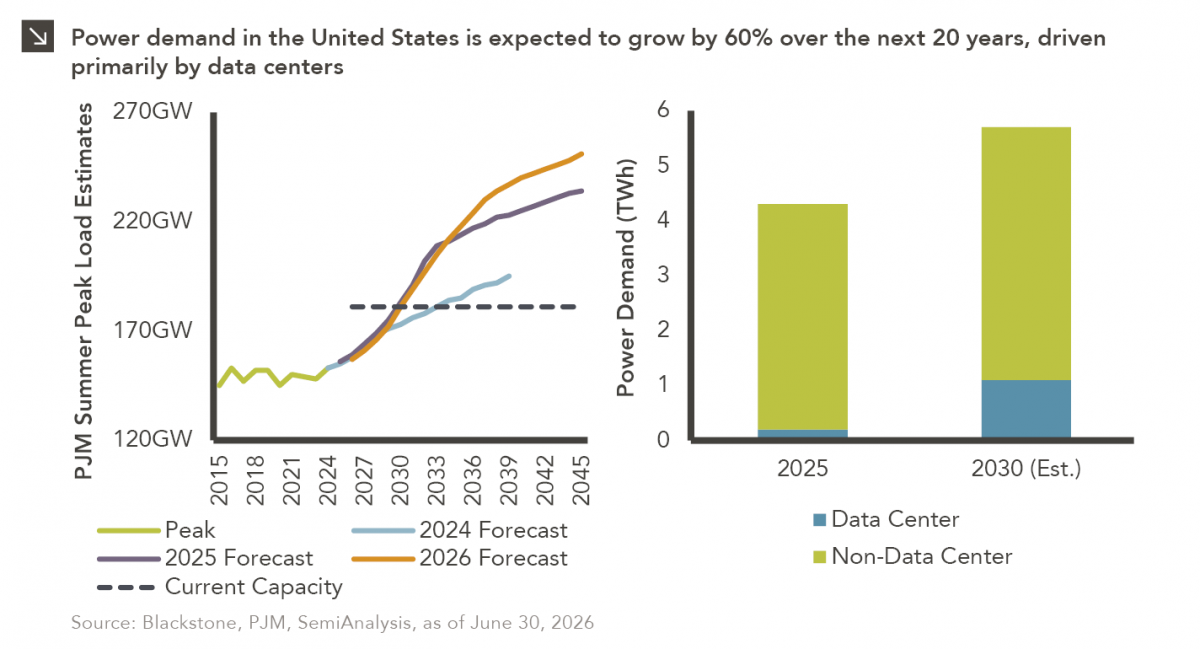
This week’s chart highlights the accelerating growth of electricity demand in the U.S., which has been driven primarily by the…

10.08.2026
LIVE WEBINAR — OCTOBER 22 Please join Marquette’s research team for our 3Q 2026 Market Insights Webinar…
10.05.2026
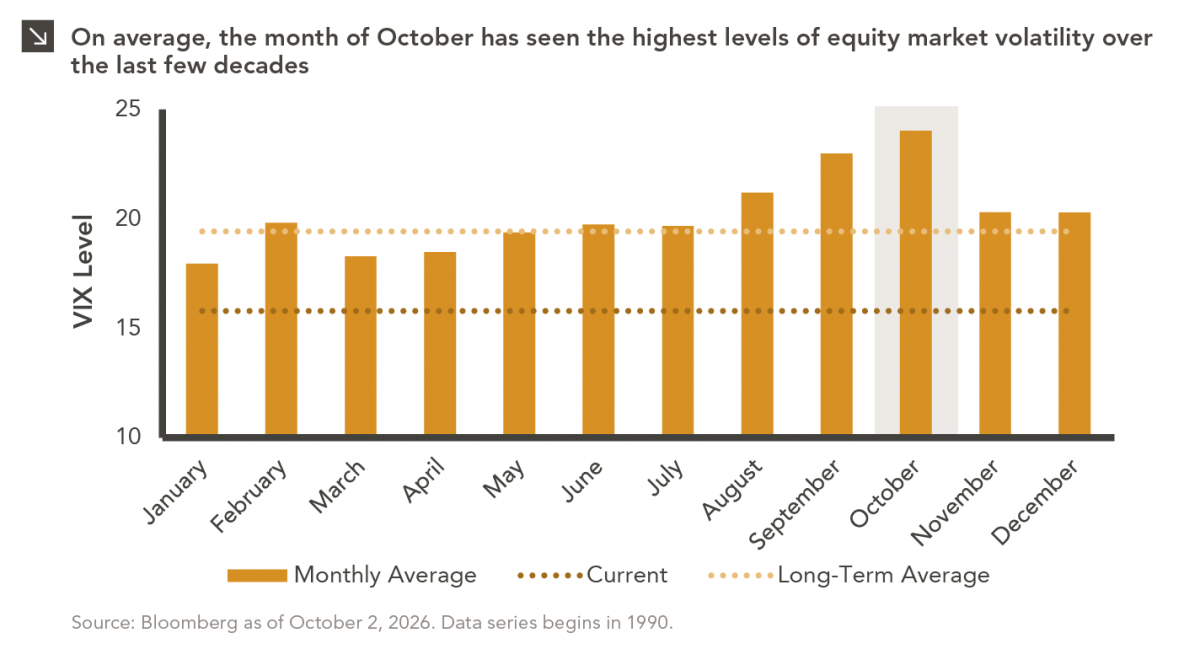
For investors, the spookiest thing about October might not be the ghosts and monsters that are bound to show up…
09.28.2026
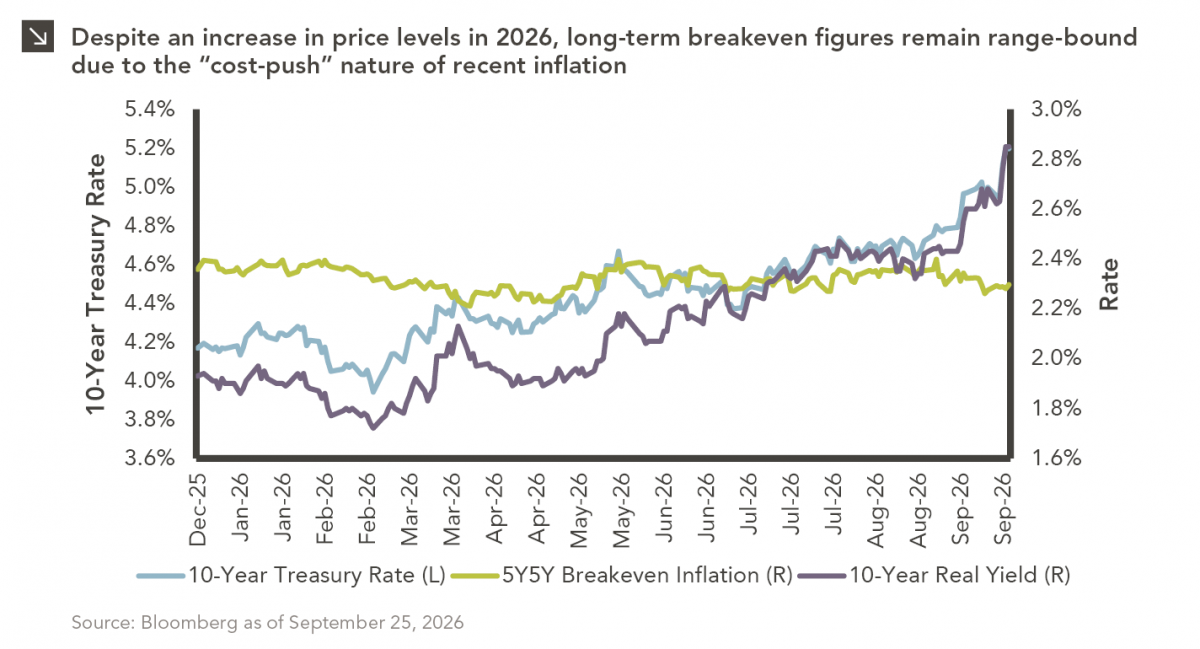
The phrase “expectations of higher inflation” has become a staple in financial news to explain the increase in nominal U.S….
09.21.2026
For much of the past several years, the conventional view has been that higher interest rates and stretched valuations would…
Research alerts keep you updated on our latest research publications. Simply enter your contact information, choose the research alerts you would like to receive and click Subscribe. Alerts will be sent as research is published.
We respect your privacy. We will never share or sell your information.
If you have questions or need further information, please contact us directly and we will respond to your inquiry within 24 hours.
Contact Us >