Eddie Arrieta
Associate Research Analyst
Get to Know Eddie


Recent market dynamics in the software sector reflect a sharp shift in investor sentiment driven primarily by concerns that advances in artificial intelligence could fundamentally disrupt traditional software business models. Public software-linked equities have sold off broadly (even as many companies continue to deliver solid earnings) because investors are increasingly focused on long-term structural risks rather than near-term financial performance. Indeed, estimates for longer-term earnings growth for these businesses have started to decline despite stable or improving near-term outlooks, highlighting growing skepticism around the durability of pricing power, competitive moats, and growth trajectories in an AI-enabled environment. Since the end of October, the S&P North American Technology Software Index has fallen by roughly 30%. These concerns have now spread beyond equities into credit markets, where leveraged loan investors are rapidly reducing exposure to software-related borrowers. Many software loans that entered 2026 priced at or near par have since declined as investors reassess the sector’s credit risk profile, reflecting fears that AI-driven disruption could weaken cash flows and increase default risk for highly leveraged issuers. Specifically, the Morningstar LSTA U.S. Leveraged Loan Index has dropped by around 6% since the start of 2026.
This repricing across equity and credit markets underscores a key shift in sentiment. Software, long viewed as one of the most predictable and resilient sectors of the economy due to recurring revenue models and high margins, is now facing simultaneous multiple compression in equities and widening spreads in credit. While fundamentals remain relatively intact today, markets are increasingly discounting a wider range of potential outcomes for software-linked businesses, creating heightened volatility and a more selective environment in which investors are demanding clear evidence of AI resilience and sustainable competitive differentiation.
Print PDF
The opinions expressed herein are those of Marquette Associates, Inc. (“Marquette”), and are subject to change without notice. This material is not financial advice or an offer to purchase or sell any product. Marquette reserves the right to modify its current investment strategies and techniques based on changing market dynamics or client needs.
10.12.2026
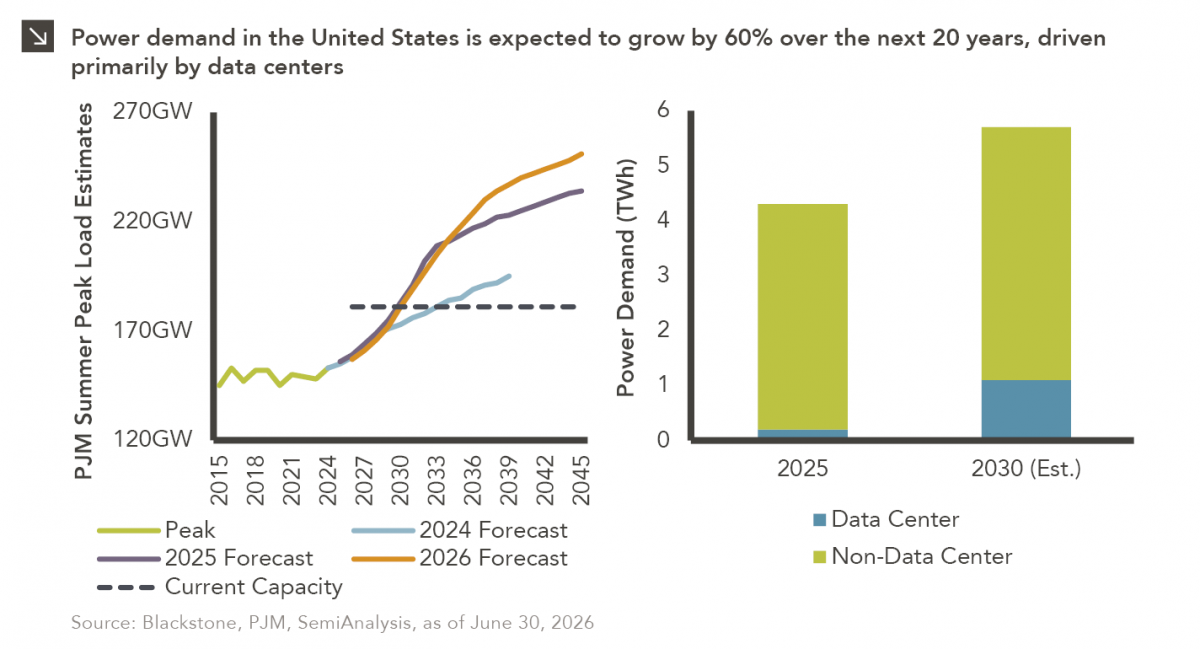
This week’s chart highlights the accelerating growth of electricity demand in the U.S., which has been driven primarily by the…

10.08.2026
LIVE WEBINAR — OCTOBER 22 Please join Marquette’s research team for our 3Q 2026 Market Insights Webinar…
10.05.2026
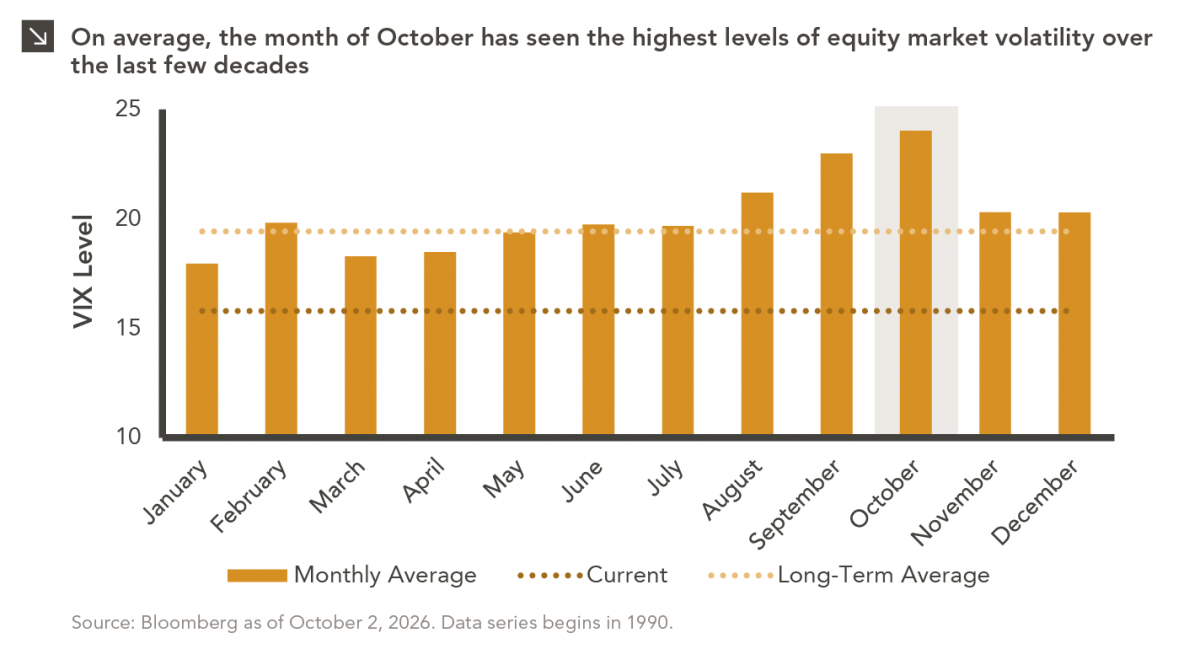
For investors, the spookiest thing about October might not be the ghosts and monsters that are bound to show up…
09.28.2026
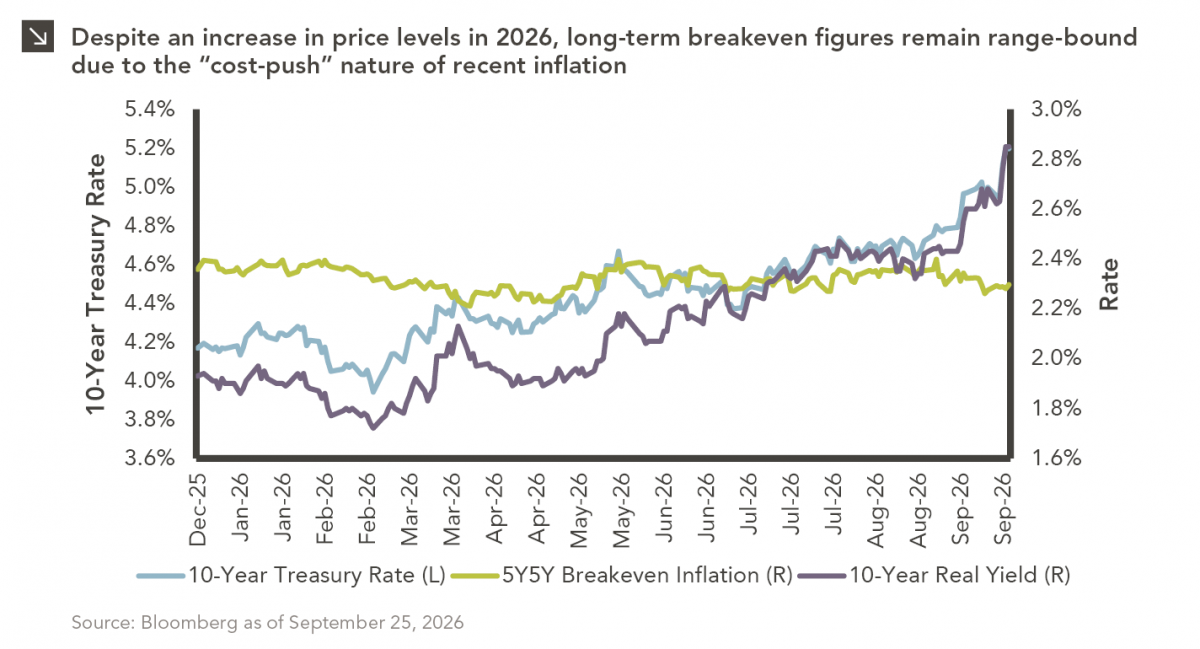
The phrase “expectations of higher inflation” has become a staple in financial news to explain the increase in nominal U.S….
09.21.2026
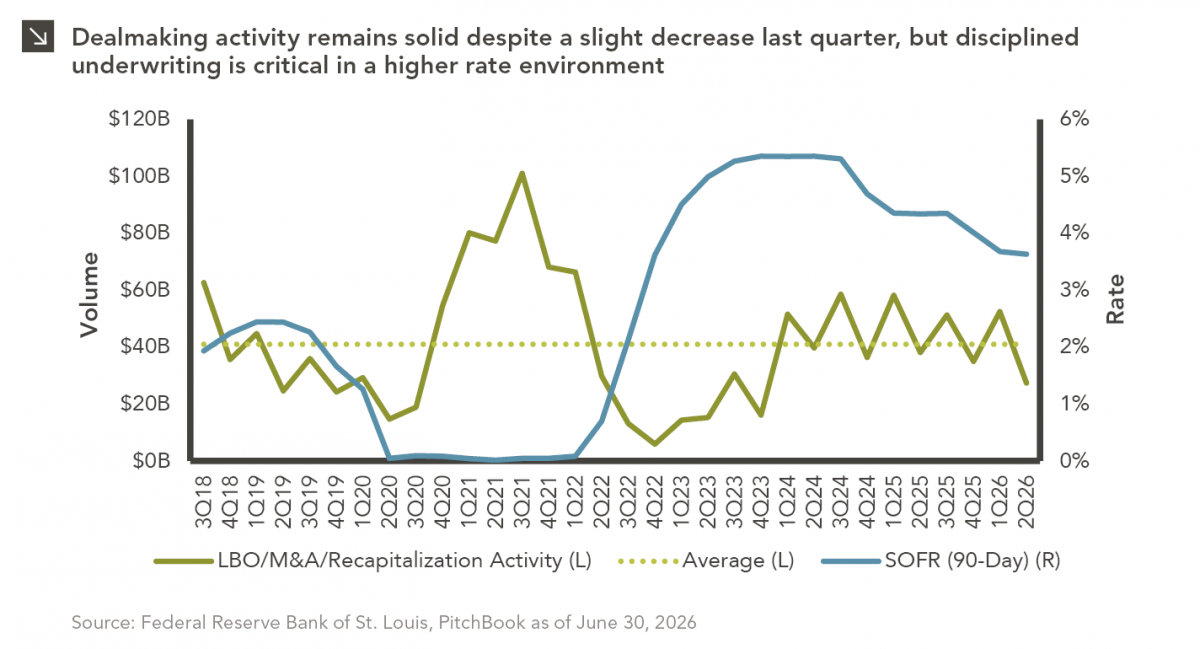
For much of the past several years, the conventional view has been that higher interest rates and stretched valuations would…
09.14.2026
There are many great things about working at Marquette Associates, but “Free Lunch Tuesday” is right at the top of…
Research alerts keep you updated on our latest research publications. Simply enter your contact information, choose the research alerts you would like to receive and click Subscribe. Alerts will be sent as research is published.
We respect your privacy. We will never share or sell your information.
If you have questions or need further information, please contact us directly and we will respond to your inquiry within 24 hours.
Contact Us >