10.08.2026
3Q 2026 Market Insights
This video is a recording of a live webinar held October 22 by Marquette’s research team analyzing the third quarter…


Companies have been staying private longer, but expectations for Initial Public Offerings (IPOs) in 2019 are high. Uber and Lyft filed their intent to list their shares publicly with the SEC in December. Most recently, other private companies have been exploring if it makes sense to go public at current valuations. Peloton, the popular exercise bike company, has been exploring an IPO this year as its valuation has climbed to more than $4 billion, roughly 3 times as much as its $1.25 billion valuation in 2017. The chart above shows the amount of money raised via IPOs in each calendar year. But what risk does the previous government shutdown have for the IPO market?
The most favorable time for an IPO is typically when the stock market is doing well, volatility is low, and political risks are mitigated. Due to the recent partial government shutdown, the SEC is backlogged with paperwork, which has delayed planned IPOs during this current favorable environment. The risk is that if another shutdown occurs, there could be an extended delay featuring stale financial statements and other administrative delays, which would naturally discourage companies from wanting to go public. The companies that are most at risk are those that are running low on cash and need capital to continue operating. Business owners and venture capitalists are also at risk of not being able to cash out as quickly as they would like. Though the shutdown has caused a delay in listing, it should not prevent the blockbuster companies from listing publicly. Companies like Uber – which has been valued as high as $120 billion – are looking to tap the larger pool of capital in the public markets. Even though the government shutdown has already caused delays of around 30 days, the expectation is that 2019 will ultimately provide a record amount of capital raised through IPOs.
Print PDF > Can a Government Shutdown Slow the IPO Market?
The opinions expressed herein are those of Marquette Associates, Inc. (“Marquette”), and are subject to change without notice. This material is not financial advice or an offer to purchase or sell any product. Marquette reserves the right to modify its current investment strategies and techniques based on changing market dynamics or client needs.
The opinions expressed herein are those of Marquette Associates, Inc. (“Marquette”), and are subject to change without notice. This material is not financial advice or an offer to purchase or sell any product. Marquette reserves the right to modify its current investment strategies and techniques based on changing market dynamics or client needs.

10.08.2026
This video is a recording of a live webinar held October 22 by Marquette’s research team analyzing the third quarter…

10.22.2026
Anyone who has run a marathon knows the last six miles are brutal — no matter how well the first…
10.19.2026
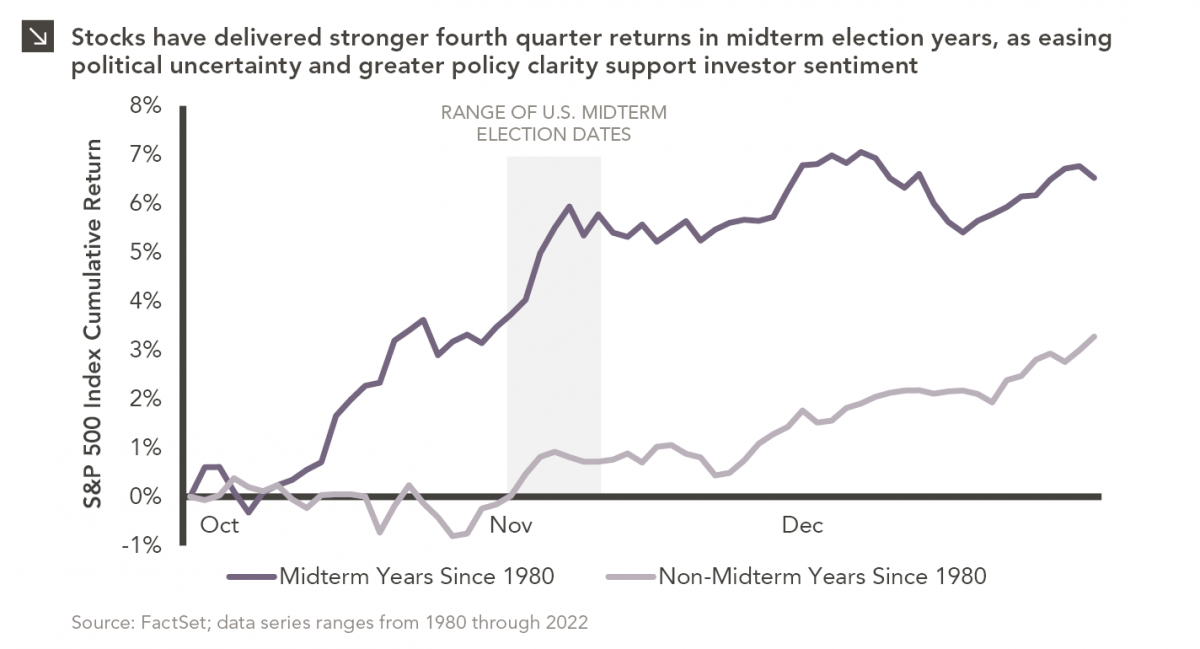
Since 1980, the S&P 500 Index has generally performed well in the weeks surrounding U.S. midterm elections. Specifically, the index…
10.12.2026
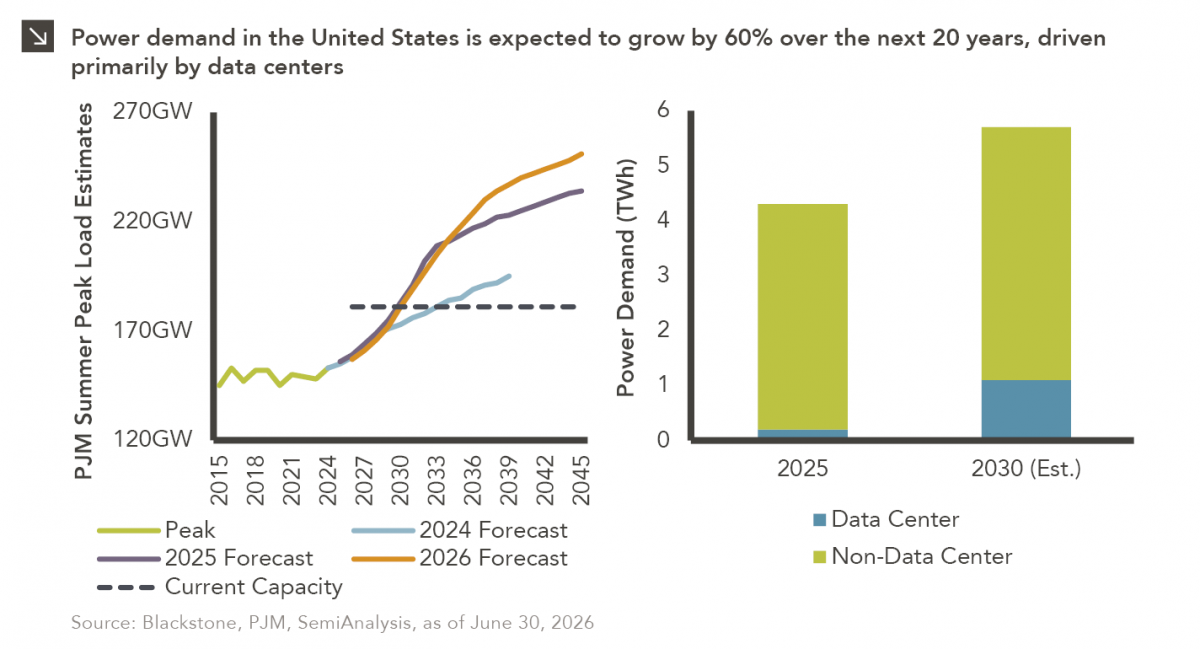
This week’s chart highlights the accelerating growth of electricity demand in the U.S., which has been driven primarily by the…
10.05.2026
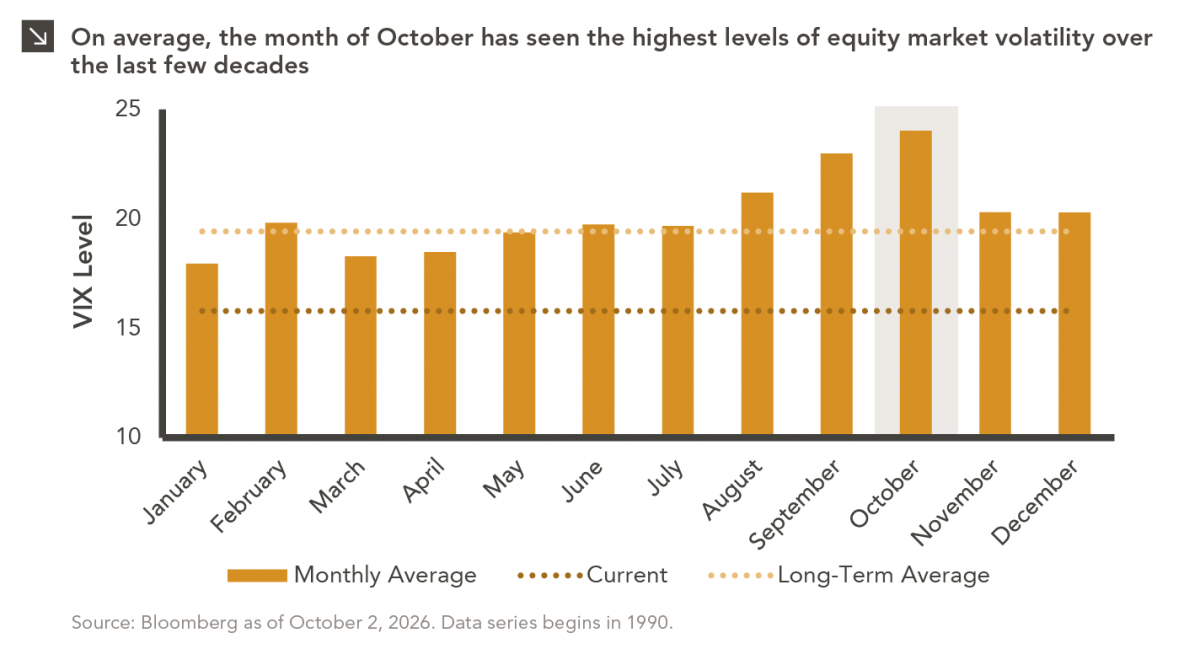
For investors, the spookiest thing about October might not be the ghosts and monsters that are bound to show up…
09.28.2026
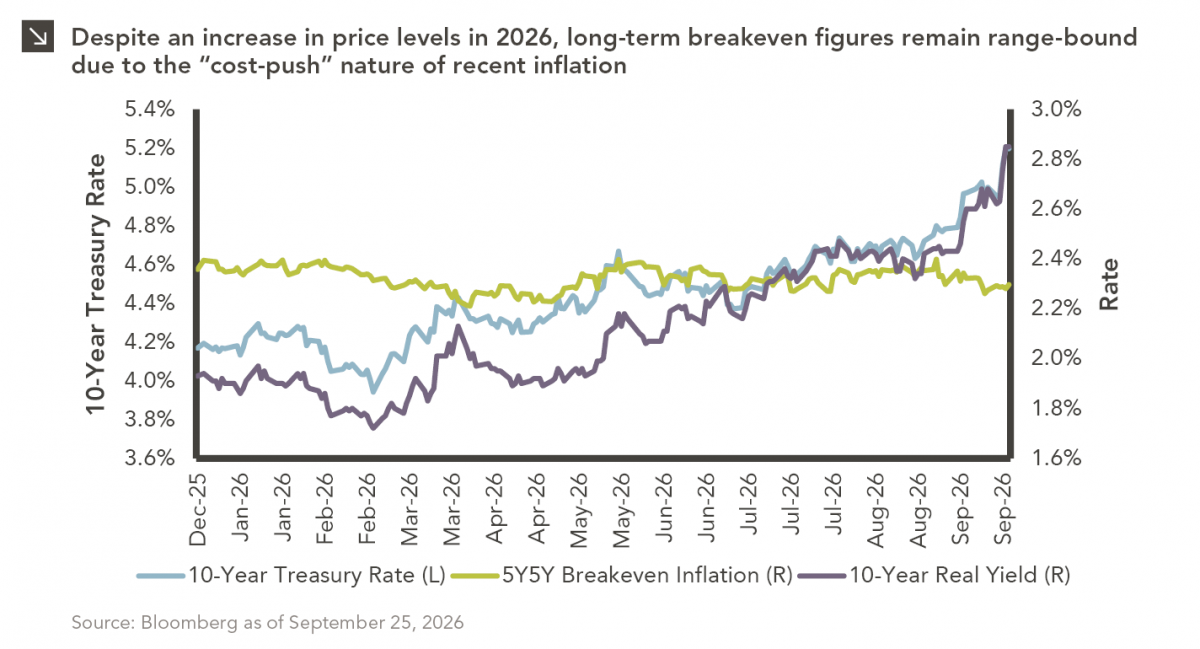
The phrase “expectations of higher inflation” has become a staple in financial news to explain the increase in nominal U.S….
Research alerts keep you updated on our latest research publications. Simply enter your contact information, choose the research alerts you would like to receive and click Subscribe. Alerts will be sent as research is published.
We respect your privacy. We will never share or sell your information.
If you have questions or need further information, please contact us directly and we will respond to your inquiry within 24 hours.
Contact Us >