Chad Sheaffer, CFA, CAIA
Associate Director of Private Credit


While investors scrutinize rhetoric from the Trump administration for its potential to ignite another bout of inflation for U.S. consumers, one challenge is already ruffling feathers at the grocery store. Egg prices have surged amid a resurgence in avian flu cases as farmers have been forced to cull millions of egg-laying hens to protect healthy flocks. According to the Bureau of Labor Statistics, the average cost for Grade A large eggs reached $4.15 per dozen in December, which represents a more than 13% increase from November and a 65% year-over-year rise. In some states, costs have far exceeded the national average, with wholesale prices surpassing $7.24 and $8.35 per dozen in New York and California, respectively.
The latest outbreak has proven particularly severe, with more than 14.7 million egg-producing chickens infected in January alone (more than the total for all of 2023 following the initial outbreak of the flu). With the virus present in all 50 states, the CDC estimates that at least 150 million birds, including both commercial poultry and wild birds, have been affected since 2022. With no definitive end to the flu outbreak in sight, egg producers are lobbying the federal government to fund vaccine research as a potential long-term solution. As Easter approaches, rising demand for eggs could further exacerbate issues and potentially drive prices to record highs. The U.S. Department of Agriculture forecasts an additional 20% increase in egg prices through the end of this year due to shortages, with some grocery stores already struggling to maintain supplies and others instituting limits on purchases.
While the current price of eggs has been driven higher by the flu outbreak, trade restrictions could have a far greater impact on inflation for U.S. consumers. Consequently, investors must weigh the domestic supply shocks for eggs and other goods alongside ongoing trade uncertainties and accept that inflation and elevated interest rates may persist through 2025.
Print PDF
The opinions expressed herein are those of Marquette Associates, Inc. (“Marquette”), and are subject to change without notice. This material is not financial advice or an offer to purchase or sell any product. Marquette reserves the right to modify its current investment strategies and techniques based on changing market dynamics or client needs.

10.08.2026
This video is a recording of a live webinar held October 22 by Marquette’s research team analyzing the third quarter…

10.22.2026
Anyone who has run a marathon knows the last six miles are brutal — no matter how well the first…
10.19.2026
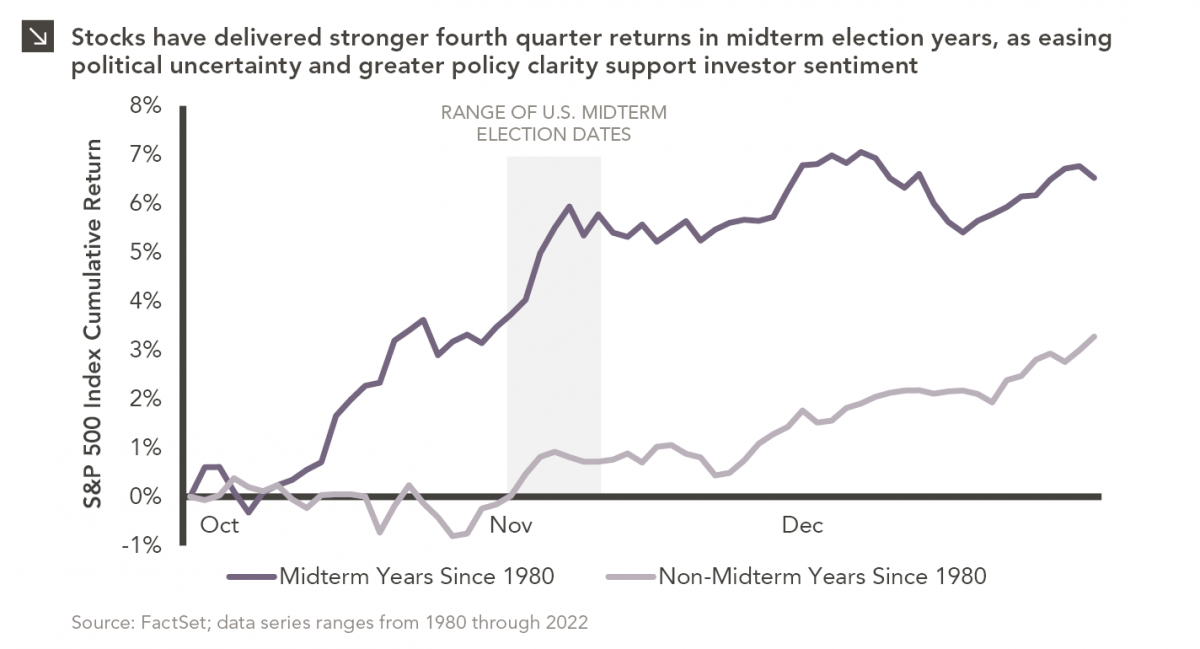
Since 1980, the S&P 500 Index has generally performed well in the weeks surrounding U.S. midterm elections. Specifically, the index…
10.12.2026
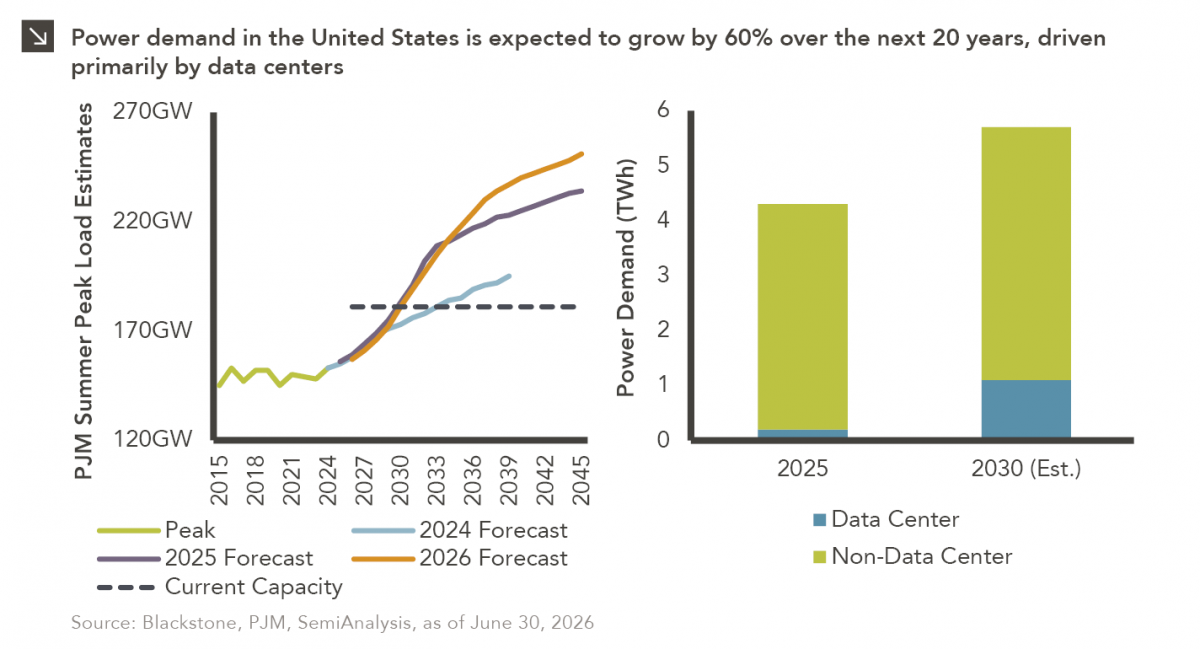
This week’s chart highlights the accelerating growth of electricity demand in the U.S., which has been driven primarily by the…
10.05.2026
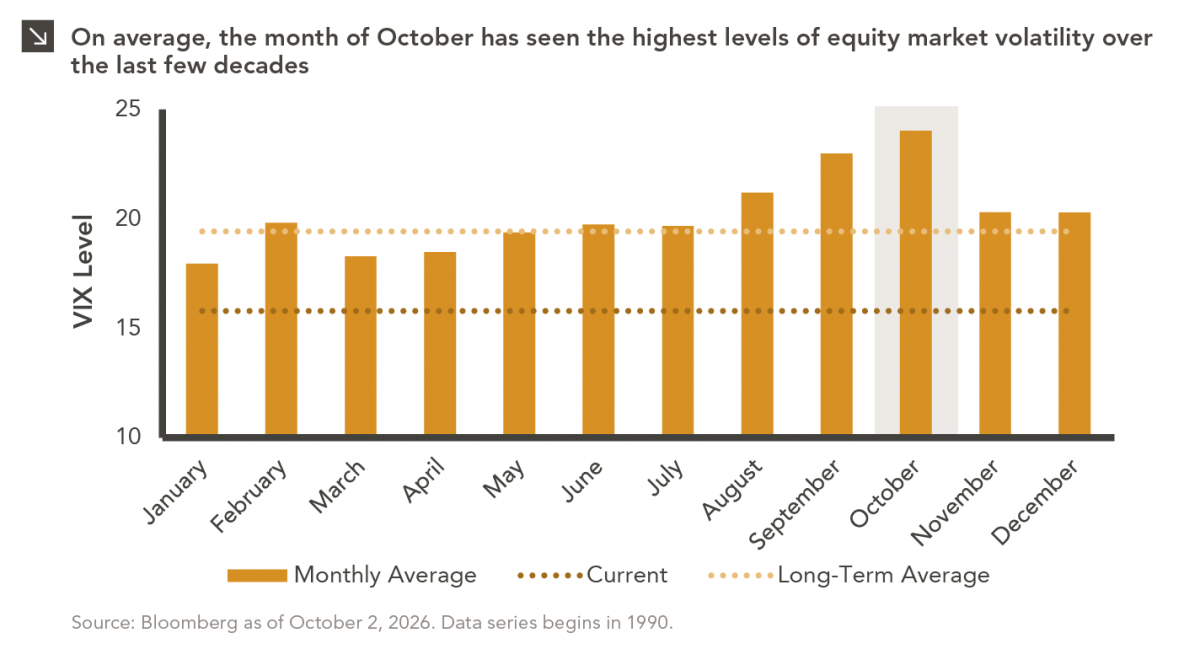
For investors, the spookiest thing about October might not be the ghosts and monsters that are bound to show up…
09.28.2026
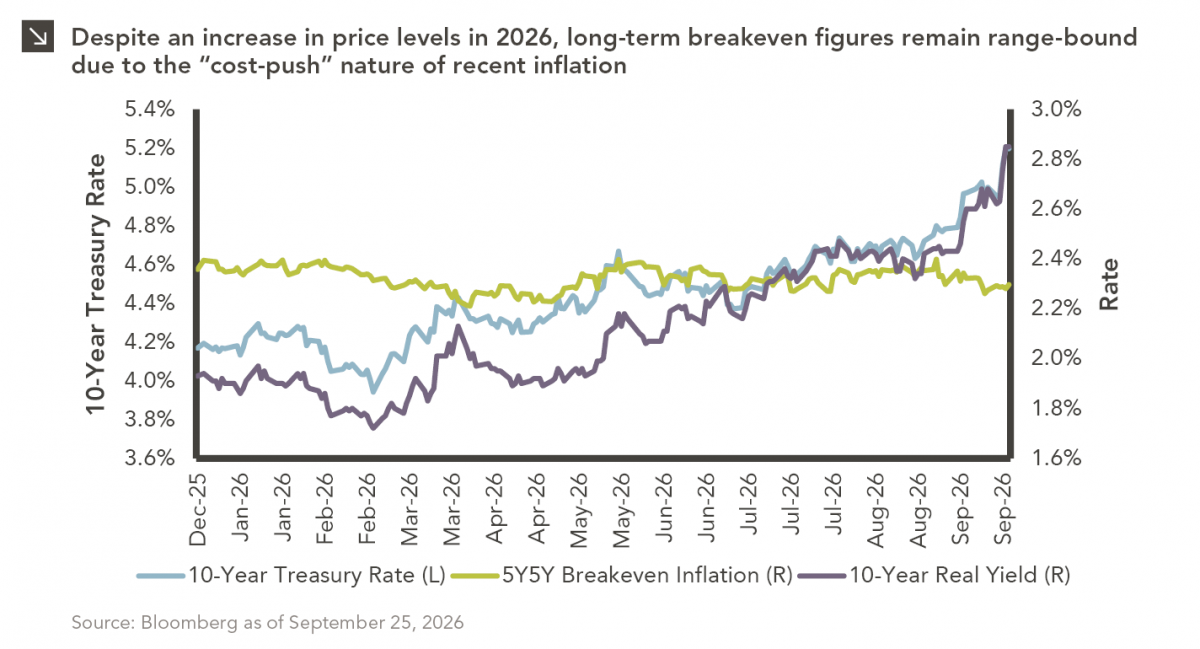
The phrase “expectations of higher inflation” has become a staple in financial news to explain the increase in nominal U.S….
Research alerts keep you updated on our latest research publications. Simply enter your contact information, choose the research alerts you would like to receive and click Subscribe. Alerts will be sent as research is published.
We respect your privacy. We will never share or sell your information.
If you have questions or need further information, please contact us directly and we will respond to your inquiry within 24 hours.
Contact Us >