06.08.2026
How to Launder Your Volatility
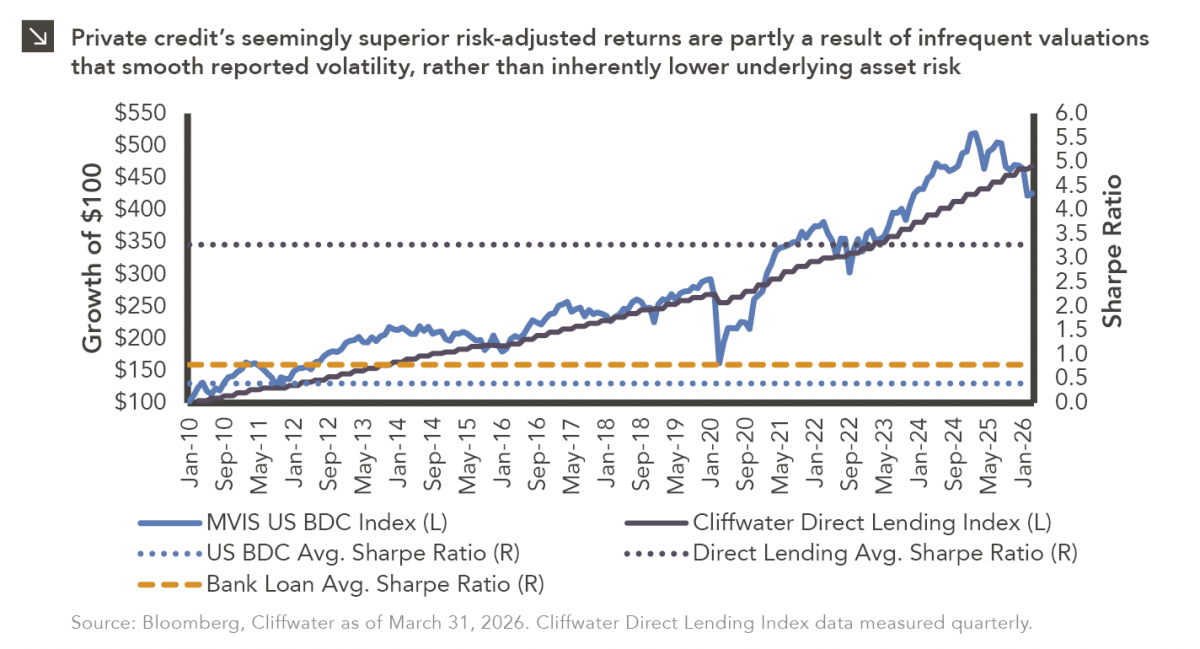
Hi, James Torgerson here! Volatility can be an unsightly blemish on portfolios and lead to inferior risk-adjusted returns. Private credit…


As investors raise questions surrounding the prospects of both stocks and bonds as we head into the Summer, a useful exercise can be looking at the historical valuation of the two asset classes in relation to one another. A variation of Dr. Ed Yardeni’s Fed’s Stock Valuation Model can be used as a simplistic gauge of the relative valuation between the two asset classes. Working under the premise that investors must choose to allocate a limited amount of capital between stocks and bonds, the model subtracts the yield to maturity of the 10-Year U.S. Treasury Note from the earnings yield on the S&P 500 Index to develop a spread between the two.
For much of the 1990’s the spread was negative, suggesting that stocks were expensive relative to bonds. Following the burst of the tech bubble that proved stocks were in fact overvalued, the spread turned positive and has remained so ever since. It is thought that when the spread is positive stocks represent a better investment than bonds due to the higher yield. This is not necessarily the case, in an absolute sense, as one must take into account the additional risk equity investors bear. The reasoning that because stocks are inexpensive relative to bonds does not necessarily suggest that stocks are about to experience a period of positive returns. Keeping in mind that this model represents a relative valuation spread between the two assets classes, a positive spread could suggest that both assets classes are overvalued in relation to other investments – stocks just less so than bonds. Thus, while the model cannot pinpoint the overall outlook for either asset class, trends in the magnitude and direction of the spread have proven useful in the past when predicting the relative movement of stocks and bonds.
The opinions expressed herein are those of Marquette Associates, Inc. (“Marquette”), and are subject to change without notice. This material is not financial advice or an offer to purchase or sell any product. Marquette reserves the right to modify its current investment strategies and techniques based on changing market dynamics or client needs.
06.08.2026
Hi, James Torgerson here! Volatility can be an unsightly blemish on portfolios and lead to inferior risk-adjusted returns. Private credit…

06.01.2026
The MSCI Emerging Markets Index has undergone a significant structural transformation in recent years. For much of the past decade,…
05.26.2026
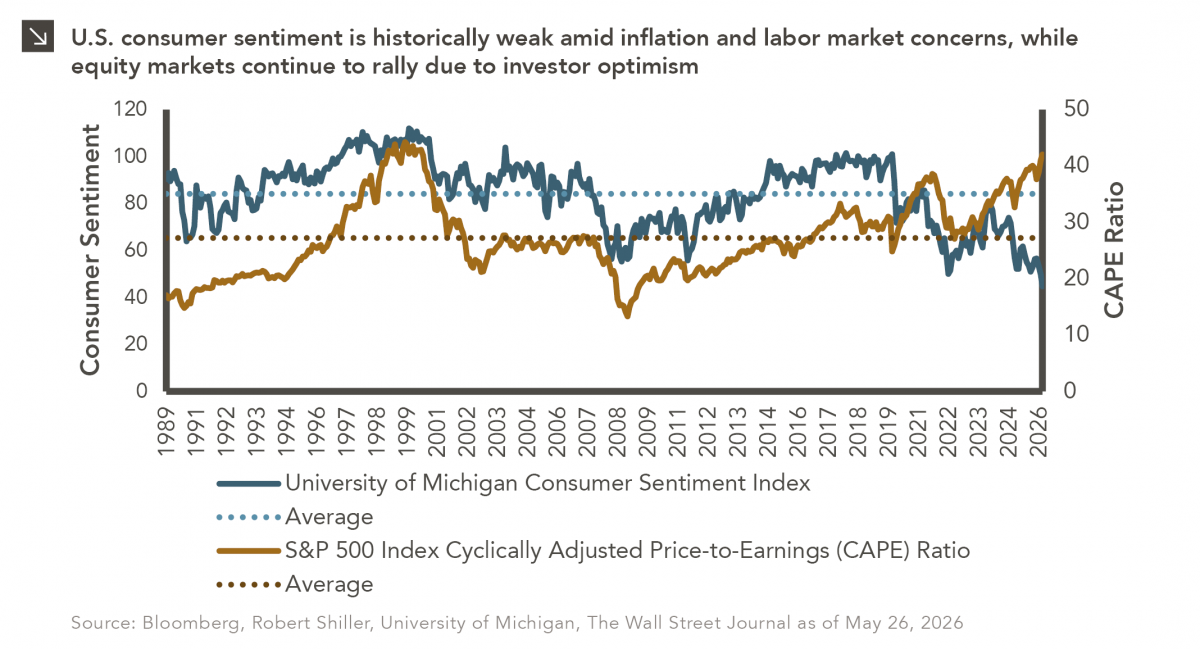
The classic novel A Tale of Two Cities by Charles Dickens begins with the line “It was the best of…
05.18.2026
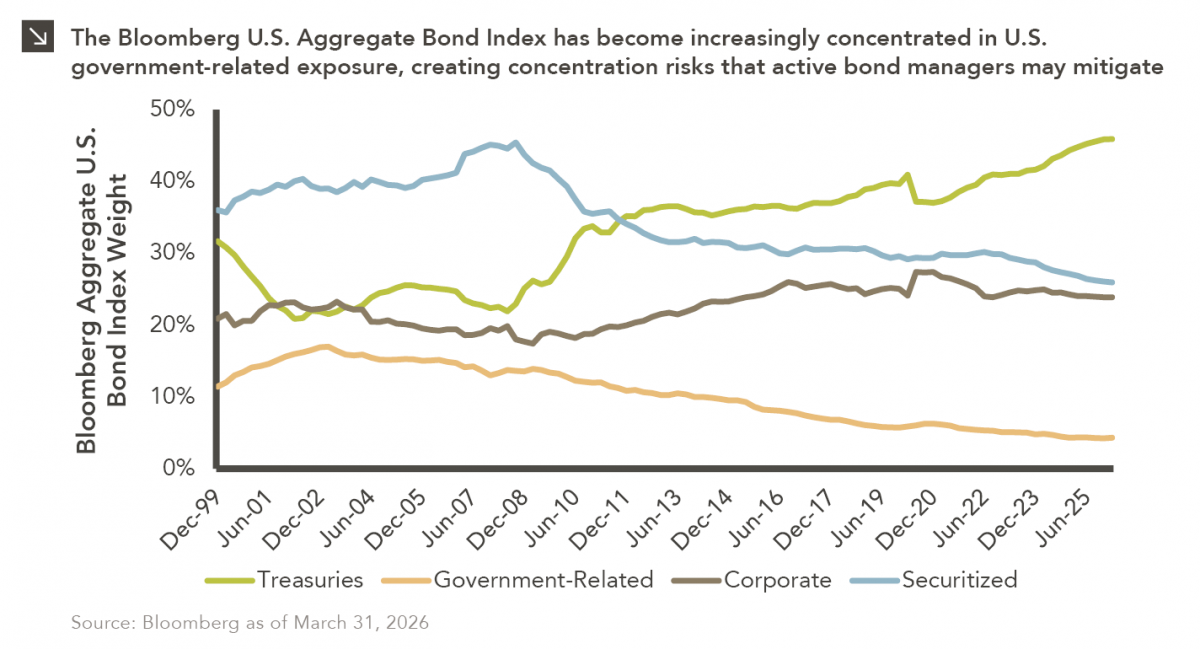
Over the last few years, equity markets have been defined by a group of stocks often referred to as the…
05.11.2026
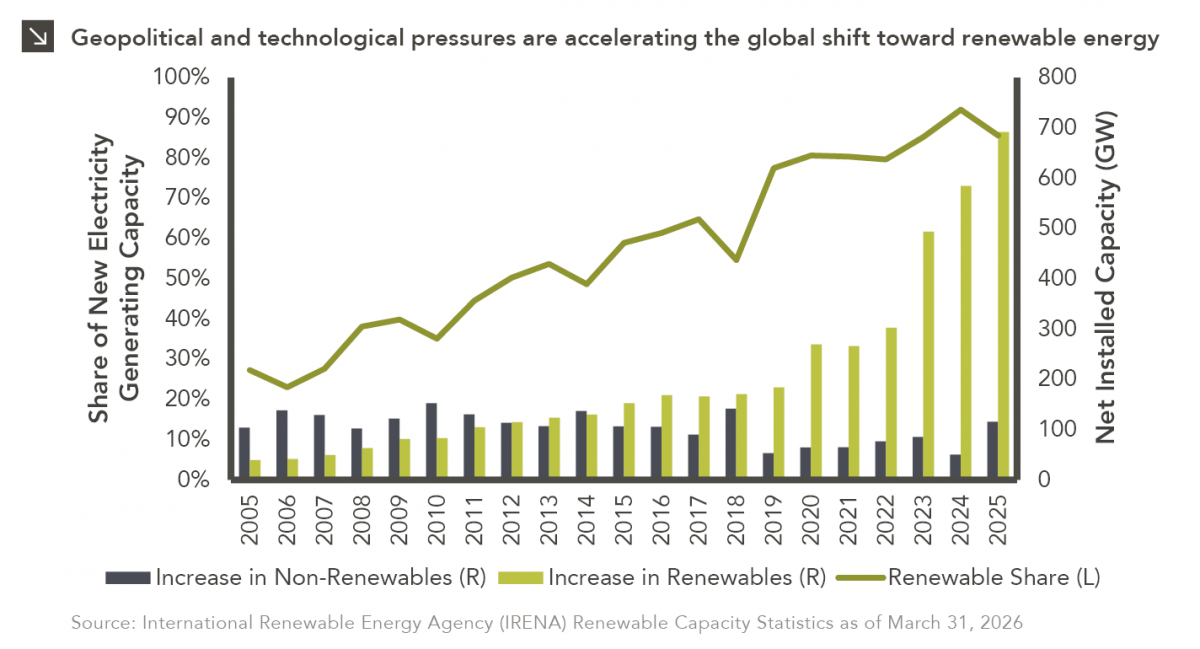
In addition to the humanitarian toll of the conflict in Iran, the world is currently confronting the impact that trade…
05.04.2026
Rooted in medieval Persian Sufi thought, the adage “this too shall pass” speaks to the fleeting and impermanent nature of…
Research alerts keep you updated on our latest research publications. Simply enter your contact information, choose the research alerts you would like to receive and click Subscribe. Alerts will be sent as research is published.
We respect your privacy. We will never share or sell your information.
If you have questions or need further information, please contact us directly and we will respond to your inquiry within 24 hours.
Contact Us >