Evan Frazier, CFA, CAIA
Senior Research Analyst


In a report published last week, the Organization for Economic Cooperation and Development sharply lowered its global economic growth outlook, pointing to the disruptive impact of ongoing trade tensions. Global GDP is now projected to grow by 2.9% on a year-over-year basis in 2025, down from an estimate of 3.1% in March. The United States economy is expected to grow by 1.6% this year, which represents a sharp downgrade from the March forecast of 2.2% by the OECD. Indeed, out of the countries outlined in this week’s chart, only India saw its 2025 economic growth estimates revised upward in the most recent OECD projections, with forecasts for the euro area and Japan remaining in line with where they stood in March. These assessments underscore the reality of trade disruptions as major drags on global economic momentum. Further, the OECD emphasized in its report that even a complete rollback of tariffs by the U.S. and other nations would not provide an immediate boost to the global economy due to lingering uncertainty about the direction of future policy.
In addition to trade headwinds, the OECD pointed out that domestic factors are compounding U.S. economic challenges, with immigration restrictions and a shrinking federal workforce contributing to weaker growth prospects. Additionally, despite tariff-generated revenues (which hit an all-time high last month), the U.S. budget deficit is expected to widen as slowing economic activity will likely outweigh any fiscal gains from trade barriers. Inflation in the U.S. will also rise in the near term according to OECD forecasters, which could delay substantive monetary easing by the Federal Reserve until at least 2026. The report cautions that this timeline could be pushed even further if inflation expectations become unmoored. Beyond the immediate economic implications of trade disputes, the OECD raised alarm about mounting global fiscal pressures and urged governments to streamline spending and improve revenue collection by expanding their tax bases. Clearly, policymakers around the world have much to evaluate as we prepare to enter the second half of 2025.
Print PDF
The opinions expressed herein are those of Marquette Associates, Inc. (“Marquette”), and are subject to change without notice. This material is not financial advice or an offer to purchase or sell any product. Marquette reserves the right to modify its current investment strategies and techniques based on changing market dynamics or client needs.
10.12.2026
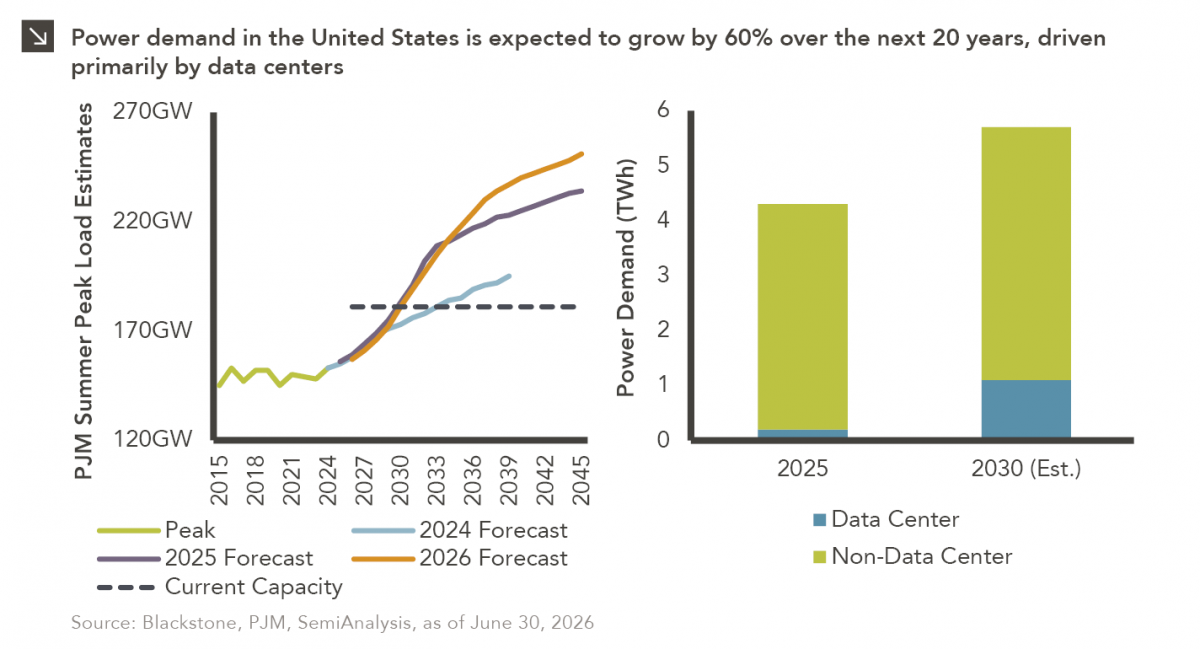
This week’s chart highlights the accelerating growth of electricity demand in the U.S., which has been driven primarily by the…

10.08.2026
LIVE WEBINAR — OCTOBER 22 Please join Marquette’s research team for our 3Q 2026 Market Insights Webinar…
10.05.2026
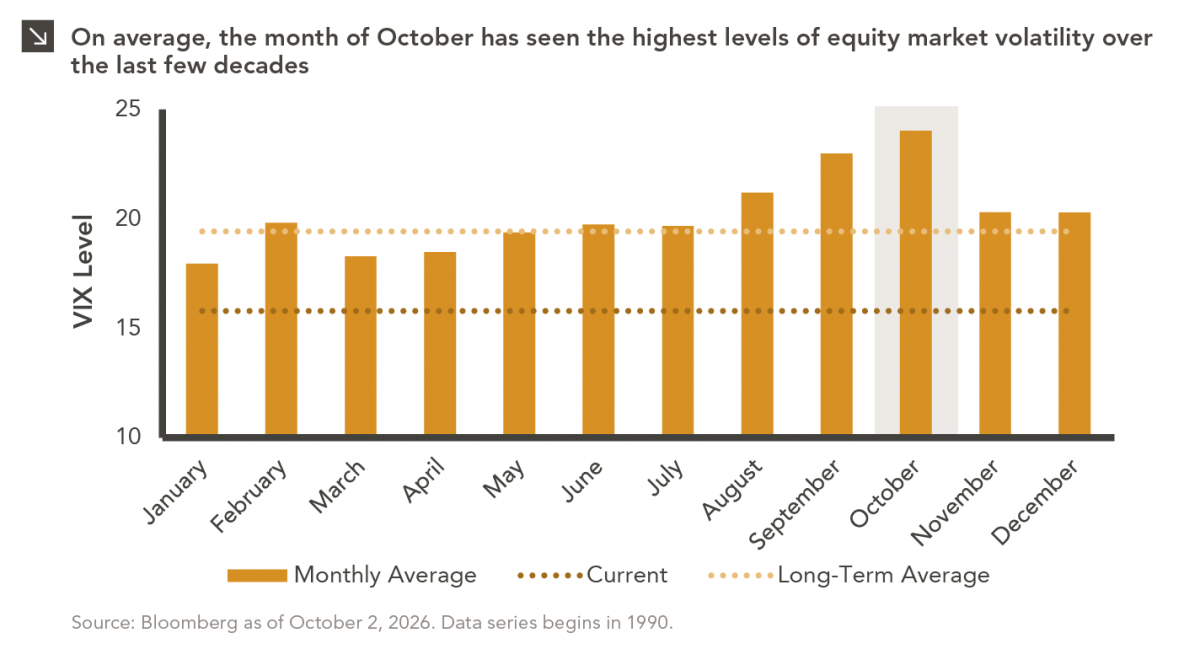
For investors, the spookiest thing about October might not be the ghosts and monsters that are bound to show up…
09.28.2026
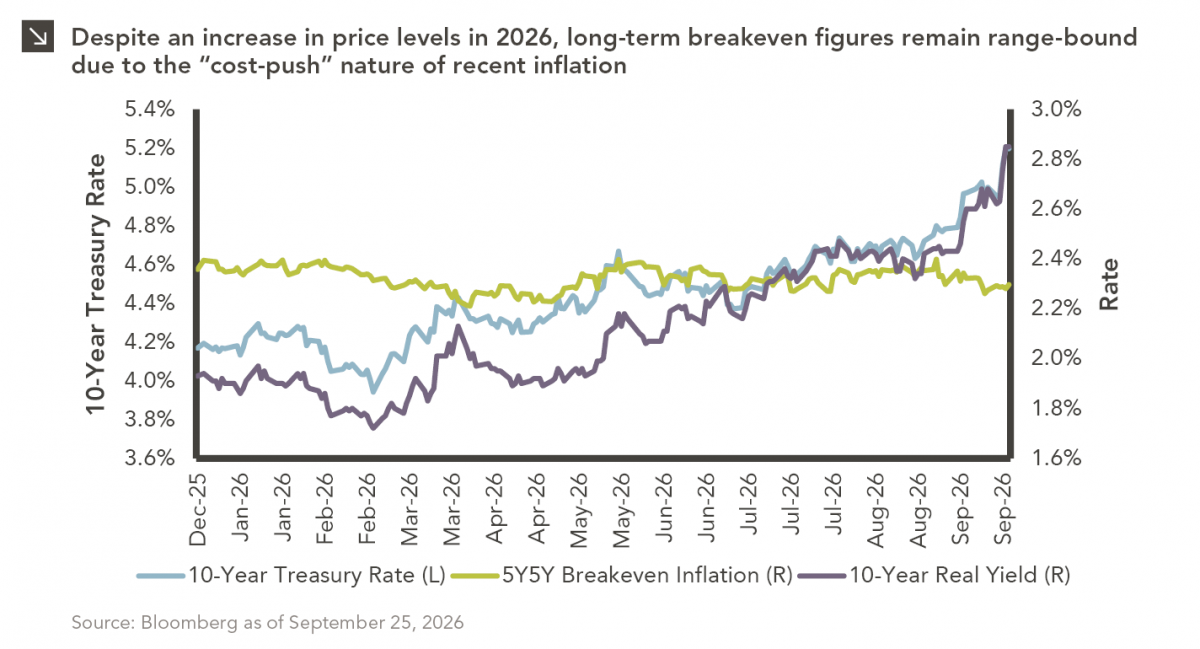
The phrase “expectations of higher inflation” has become a staple in financial news to explain the increase in nominal U.S….
09.21.2026
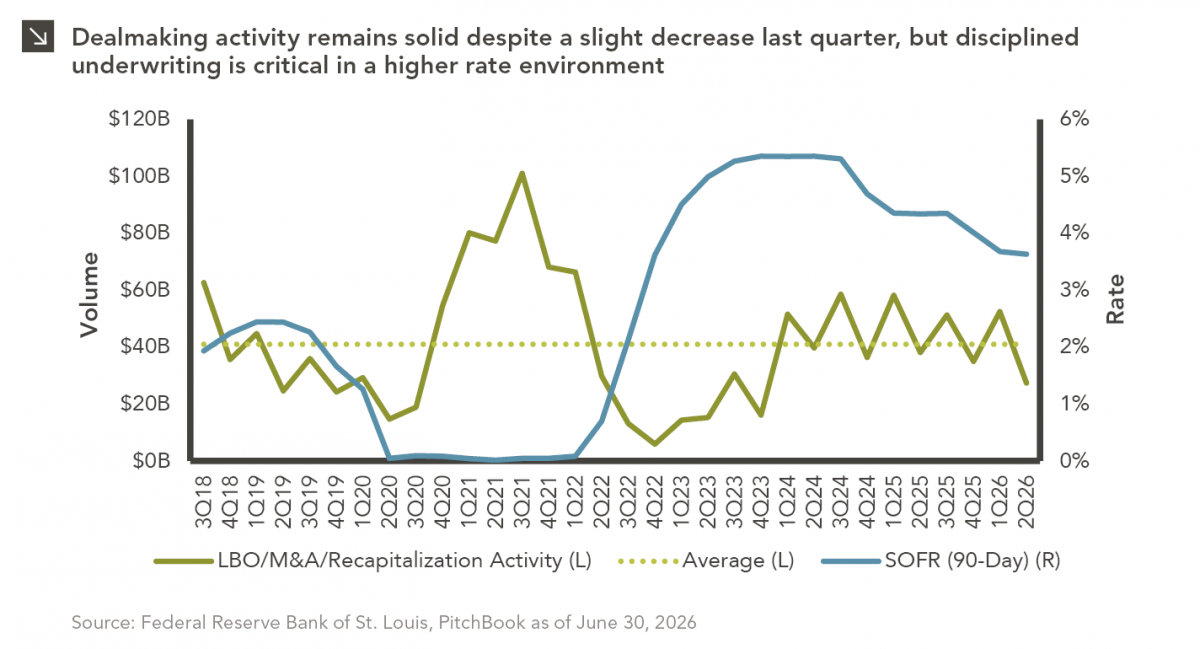
For much of the past several years, the conventional view has been that higher interest rates and stretched valuations would…
09.14.2026
There are many great things about working at Marquette Associates, but “Free Lunch Tuesday” is right at the top of…
Research alerts keep you updated on our latest research publications. Simply enter your contact information, choose the research alerts you would like to receive and click Subscribe. Alerts will be sent as research is published.
We respect your privacy. We will never share or sell your information.
If you have questions or need further information, please contact us directly and we will respond to your inquiry within 24 hours.
Contact Us >