Amy Miller
Associate Director of Private Equity


The aging population in the United States has garnered increasing attention over the past two decades, coinciding with the retirement of the Baby Boomer generation and the associated rise in age-related chronic conditions such as arthritis, Alzheimer’s disease, and cancer. As of 2023, over 59 million individuals (17.7% of the U.S. population) were aged 65 or older, and this figure is projected to approach 80 million by 2040.¹ A central challenge associated with this demographic shift is ensuring adequate care, particularly through the effective management of chronic illnesses. One critical avenue for addressing this issue is through investment in the development of efficient and innovative pharmaceutical therapies.
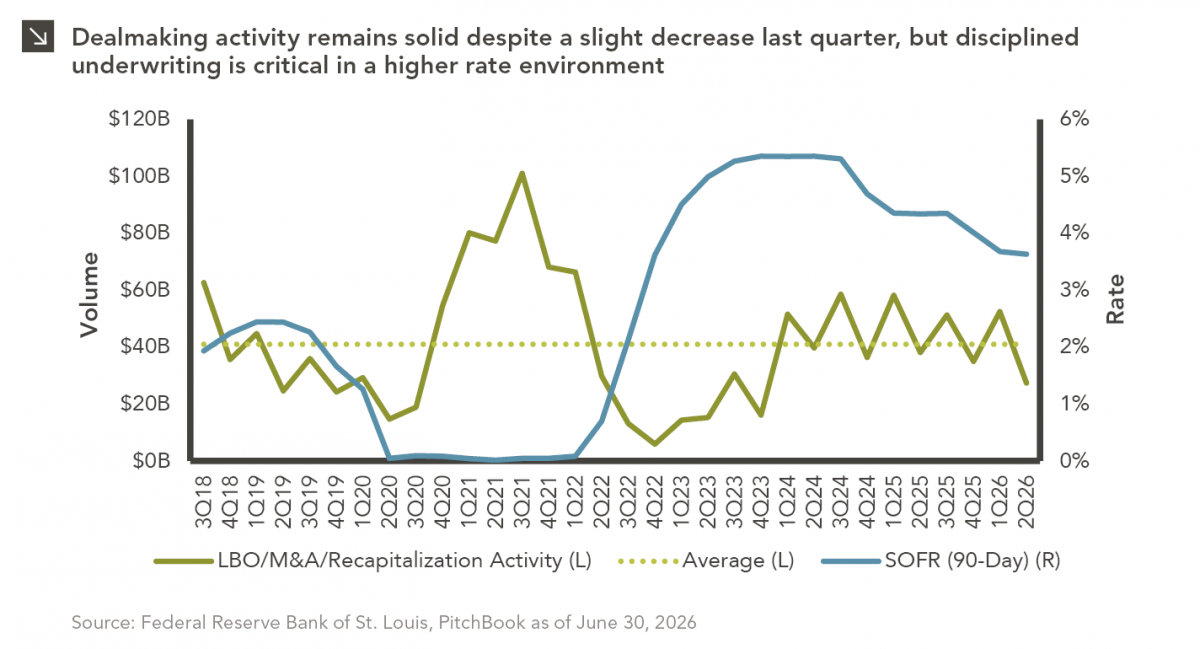
Since 2015, pharmaceutical companies have experienced revenue losses totaling approximately $125 billion due to the expiration of patent exclusivities, with projections indicating nearly double that amount may be lost by 2030. While elevated interest rates and heightened regulatory scrutiny by the Federal Trade Commission contributed to a significant decline in merger and acquisition (M&A) activity in 2022 and 2023, the sector may be well-positioned for a resurgence.² Many drug manufacturers currently maintain robust balance sheets and hold over $180 billion in cash reserves, potentially fueling a new wave of strategic acquisitions.
Realizing a sustained M&A resurgence in research and development will require targeted investment within the biopharmaceutical sector, particularly in early-stage drug development and in the services and technologies that support these endeavors. These include start-ups advancing compact and automated manufacturing technologies, which help mitigate the impact of rising domestic labor costs and offer a competitive edge.
Beginning in the third quarter of 2024 and continuing through the first quarter of 2025, there has been a notable increase in M&A activity. Key transactions include:
Following the first quarter of 2025, newly imposed tariffs have intensified the need for U.S.-based investment, as protectionist trade policies heighten the demand for domestic pharmaceutical production capacity and infrastructure. Couple that with the aforementioned demographic trends in the U.S., we have an investment environment poised for growth.
¹ America’s Health Rankings analysis of U.S. Census Bureau, Single-Race Population Estimates via CDC WONDER Online Database, United Health Foundation.
² Evaluate | Company Profiling search database

The opinions expressed herein are those of Marquette Associates, Inc. (“Marquette”), and are subject to change without notice. This material is not financial advice or an offer to purchase or sell any product. Marquette reserves the right to modify its current investment strategies and techniques based on changing market dynamics or client needs.
10.19.2026
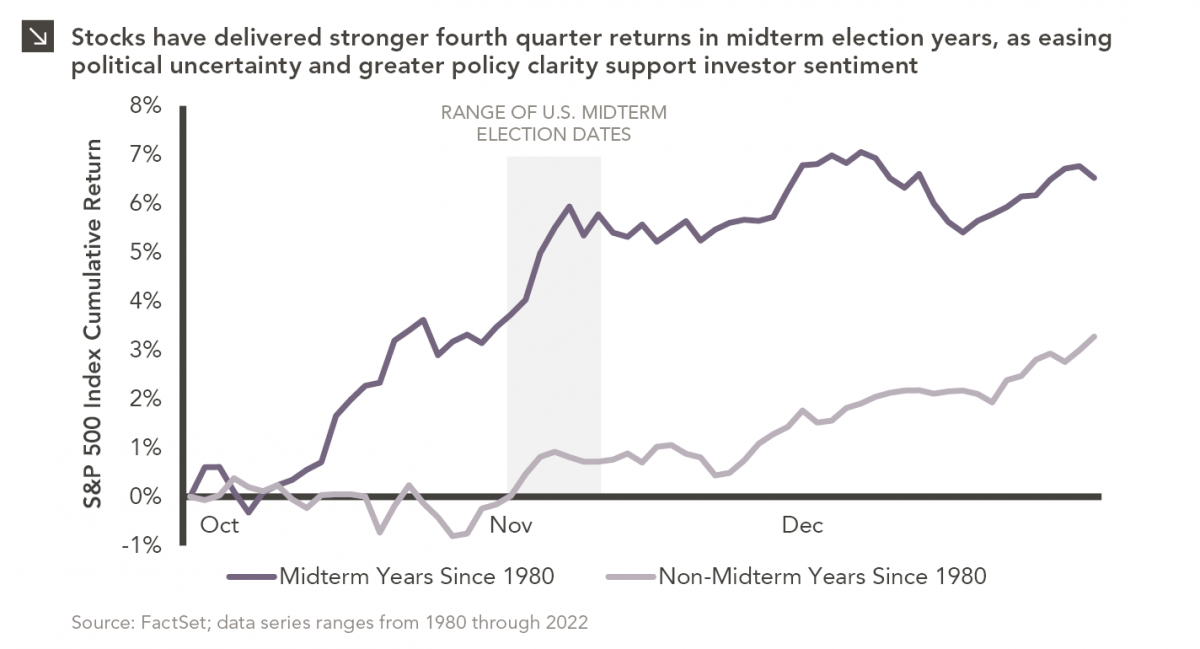
Since 1980, the S&P 500 Index has generally performed well in the weeks surrounding U.S. midterm elections. Specifically, the index…
10.12.2026
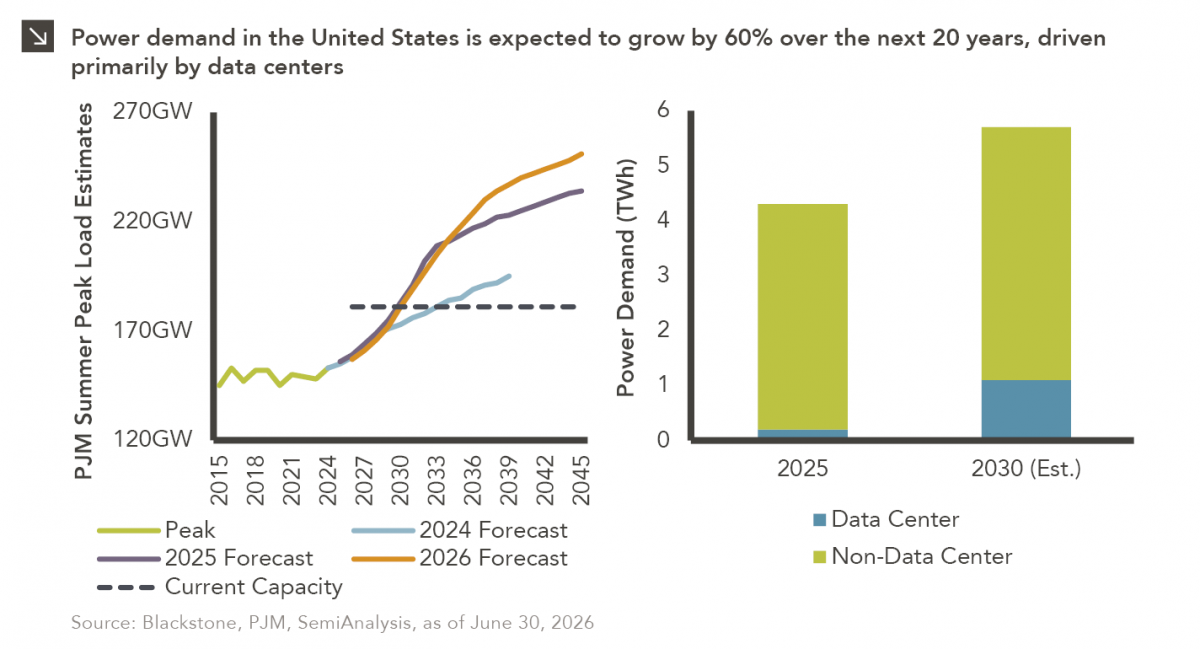
This week’s chart highlights the accelerating growth of electricity demand in the U.S., which has been driven primarily by the…

10.08.2026
LIVE WEBINAR — OCTOBER 22 Please join Marquette’s research team for our 3Q 2026 Market Insights Webinar…
10.05.2026
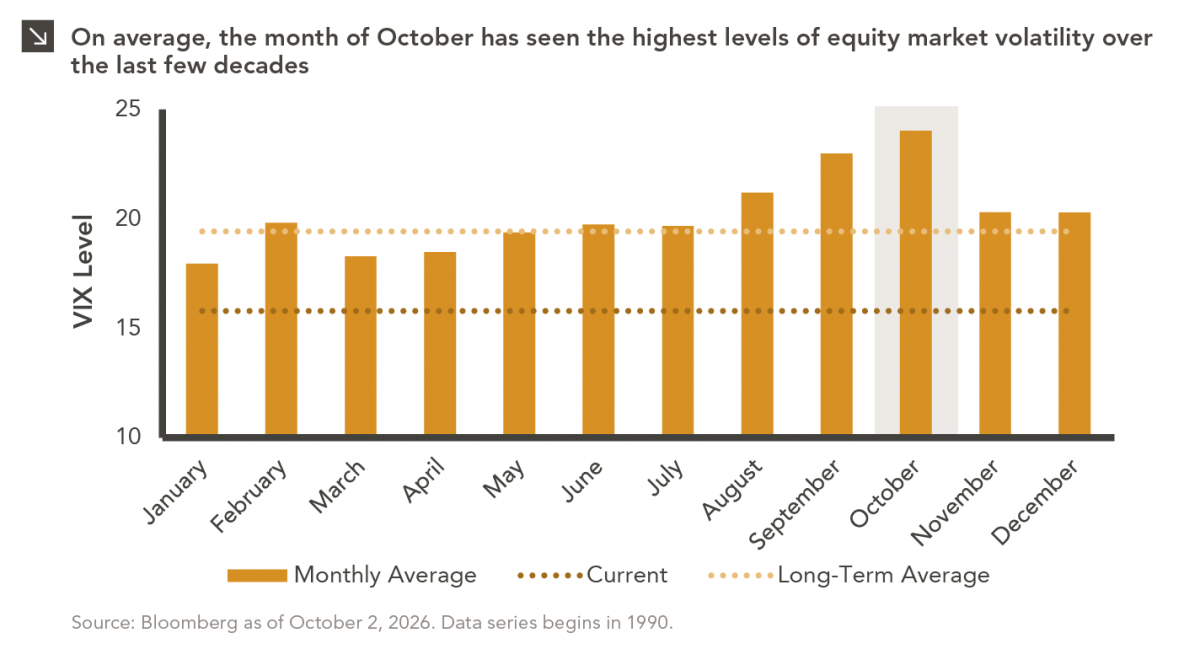
For investors, the spookiest thing about October might not be the ghosts and monsters that are bound to show up…
09.28.2026
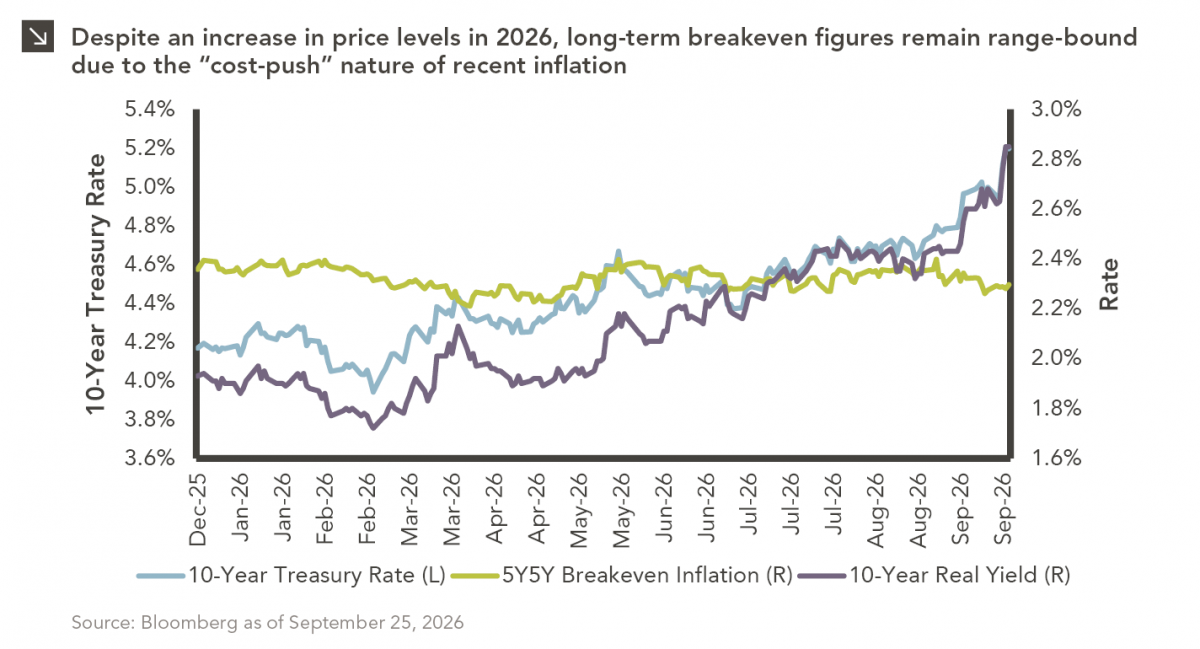
The phrase “expectations of higher inflation” has become a staple in financial news to explain the increase in nominal U.S….
09.21.2026
For much of the past several years, the conventional view has been that higher interest rates and stretched valuations would…
Research alerts keep you updated on our latest research publications. Simply enter your contact information, choose the research alerts you would like to receive and click Subscribe. Alerts will be sent as research is published.
We respect your privacy. We will never share or sell your information.
If you have questions or need further information, please contact us directly and we will respond to your inquiry within 24 hours.
Contact Us >