Evan Frazier, CFA, CAIA
Senior Research Analyst


Over the last several decades, artificial intelligence (“AI”) has evolved from a theoretical concept into a transformative force across a variety of industries. The 1940s saw the advent of the digital computer, which was followed years later by the first artificial neural network, a computational model inspired by the structure of the human brain that consists of algorithms that attempt to recognize relationships in data. In more recent years, researchers have developed “deep learning” systems (i.e., neural networks with many layers) capable of increasingly complex tasks including image recognition, reading comprehension, and predictive reasoning. Given the advances in the space, it should not come as a surprise that the use cases of artificial intelligence are now vast, with AI tools now implemented across fields including health care, retail, finance, and entertainment. Researchers and corporate executives are not the only ones to have noticed the remarkable potential of AI, however, as investors have flocked to the space in droves over the last several years.
This newsletter outlines the growth of AI as an investment theme, including performance, valuations, and earnings growth of AI-related companies and equities, other segments of the market that may stand to benefit from advances in AI, and potential risks for investors.
Read > The Impact of Artificial Intelligence on Markets
The opinions expressed herein are those of Marquette Associates, Inc. (“Marquette”), and are subject to change without notice. This material is not financial advice or an offer to purchase or sell any product. Marquette reserves the right to modify its current investment strategies and techniques based on changing market dynamics or client needs.
10.12.2026
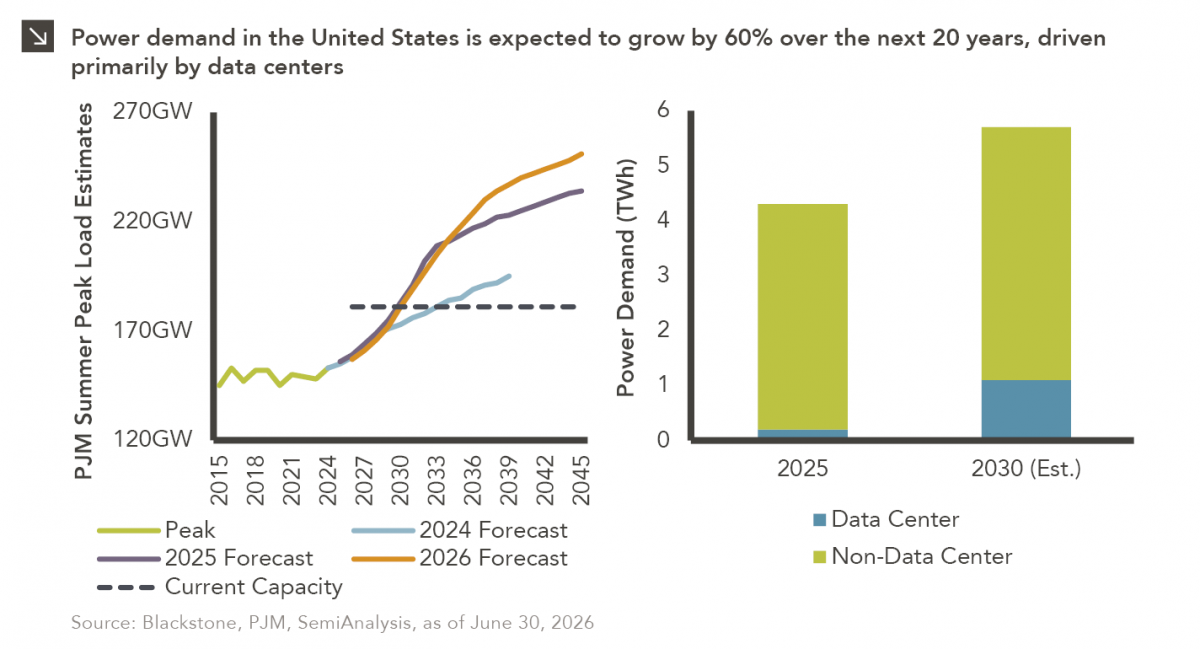
This week’s chart highlights the accelerating growth of electricity demand in the U.S., which has been driven primarily by the…

10.08.2026
LIVE WEBINAR — OCTOBER 22 Please join Marquette’s research team for our 3Q 2026 Market Insights Webinar…
10.05.2026
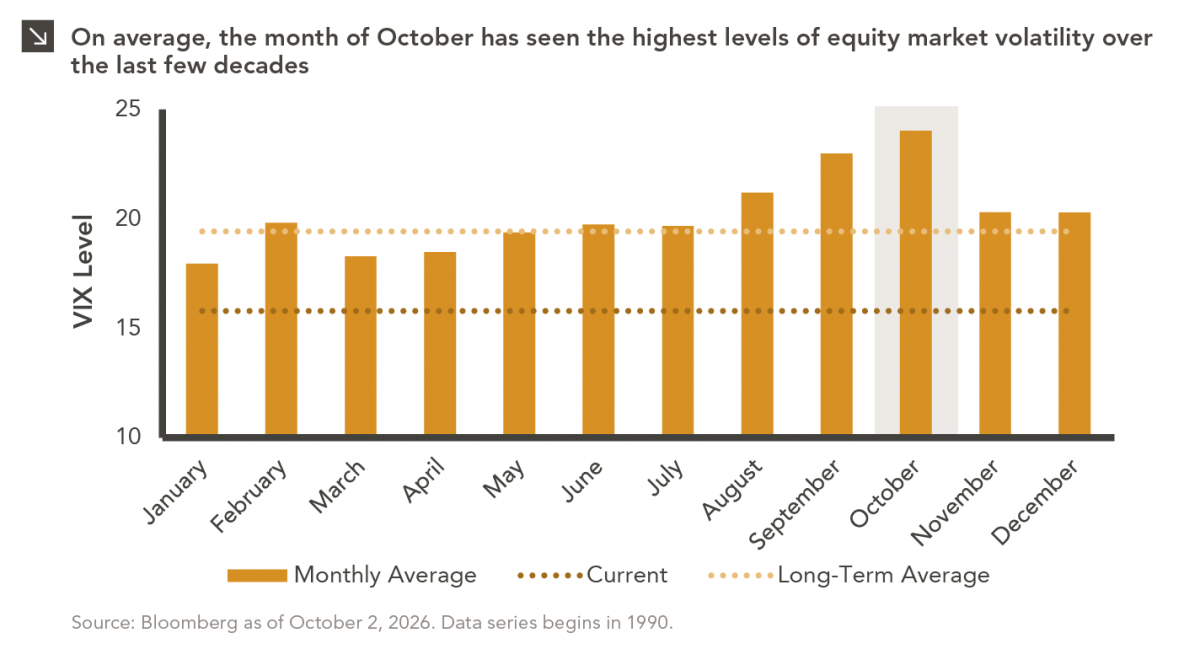
For investors, the spookiest thing about October might not be the ghosts and monsters that are bound to show up…
09.28.2026
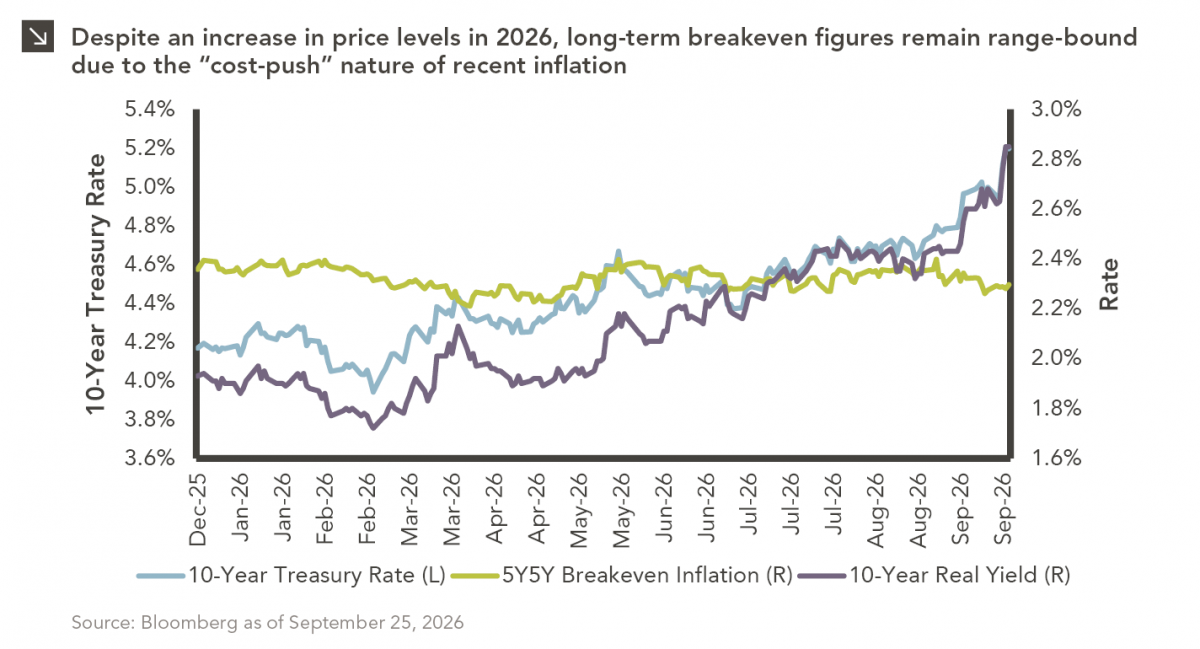
The phrase “expectations of higher inflation” has become a staple in financial news to explain the increase in nominal U.S….
09.21.2026
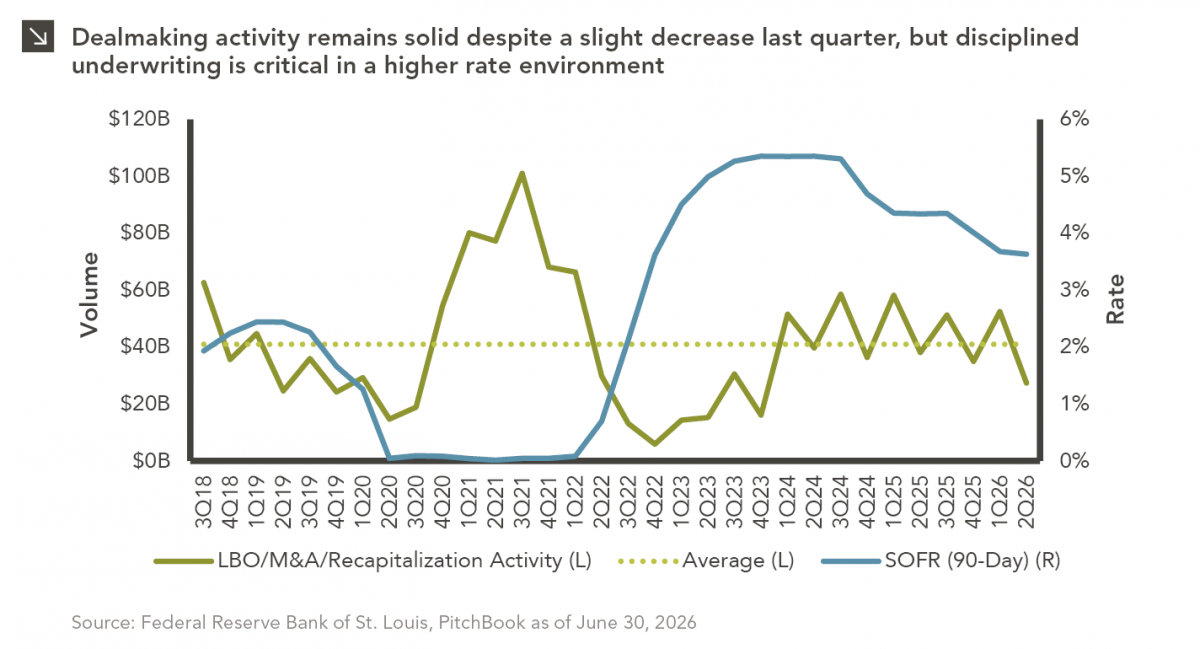
For much of the past several years, the conventional view has been that higher interest rates and stretched valuations would…
09.15.2026
Over the past decade, continuation vehicles (“CV”) have become one of the fastest-growing trends in private equity. Private equity funds…
Research alerts keep you updated on our latest research publications. Simply enter your contact information, choose the research alerts you would like to receive and click Subscribe. Alerts will be sent as research is published.
We respect your privacy. We will never share or sell your information.
If you have questions or need further information, please contact us directly and we will respond to your inquiry within 24 hours.
Contact Us >