10.08.2026
3Q 2026 Market Insights
This video is a recording of a live webinar held October 22 by Marquette’s research team analyzing the third quarter…


In the last few months investors were quickly reminded of the volatile nature of equities as these markets suffered steep declines. While there are several possible explanations — ranging from high valuations to geopolitical concerns — many are wondering if we were simply due for a correction or if this a sign of more to come. This week’s chart looks at the historical inter-year drawdowns for the S&P 500 to see how the recent pullback compares.
Since 1983, the S&P 500 index has only had five calendar years with a negative return. Despite this, 28 out of the last 35 years had an intra-year drawdown of more than 7% with the median max drawdown around 10%. Year to date, 2018’s largest drawdown was 10.2%. While this is significant, especially in comparison to the remarkably calm 2017, this is not out of the ordinary. Additionally, even with this drop in the index, the total return for the year is nearly flat thanks to dividend yields.
It is difficult to predict what happens next given the current volatility. Many geopolitical risks remain and though valuations have come down, they are still elevated in comparison to historic levels. However, this drawdown is similar in magnitude to many previous years and the historic average, suggesting that the worst may be over. Even with drawdowns of this size most years have delivered positive equity returns, meaning this could an opportunity to enter the market or invest additional funds.
The opinions expressed herein are those of Marquette Associates, Inc. (“Marquette”), and are subject to change without notice. This material is not financial advice or an offer to purchase or sell any product. Marquette reserves the right to modify its current investment strategies and techniques based on changing market dynamics or client needs.
The opinions expressed herein are those of Marquette Associates, Inc. (“Marquette”), and are subject to change without notice. This material is not financial advice or an offer to purchase or sell any product. Marquette reserves the right to modify its current investment strategies and techniques based on changing market dynamics or client needs.

10.08.2026
This video is a recording of a live webinar held October 22 by Marquette’s research team analyzing the third quarter…

10.22.2026
Anyone who has run a marathon knows the last six miles are brutal — no matter how well the first…
10.19.2026
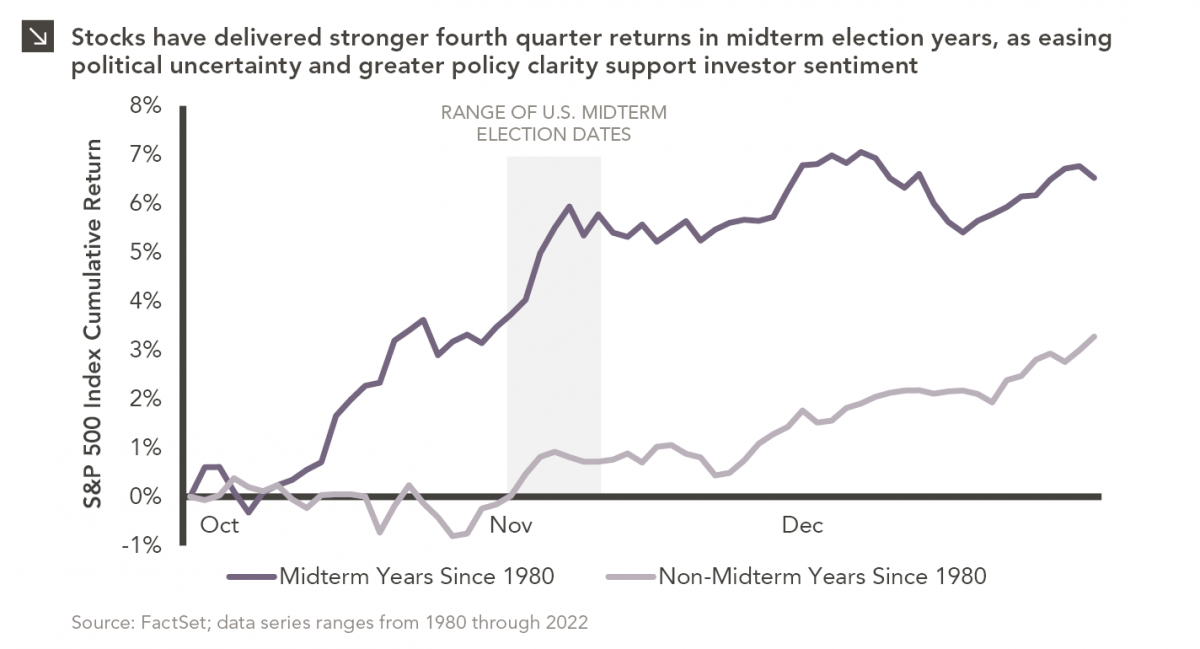
Since 1980, the S&P 500 Index has generally performed well in the weeks surrounding U.S. midterm elections. Specifically, the index…
10.12.2026
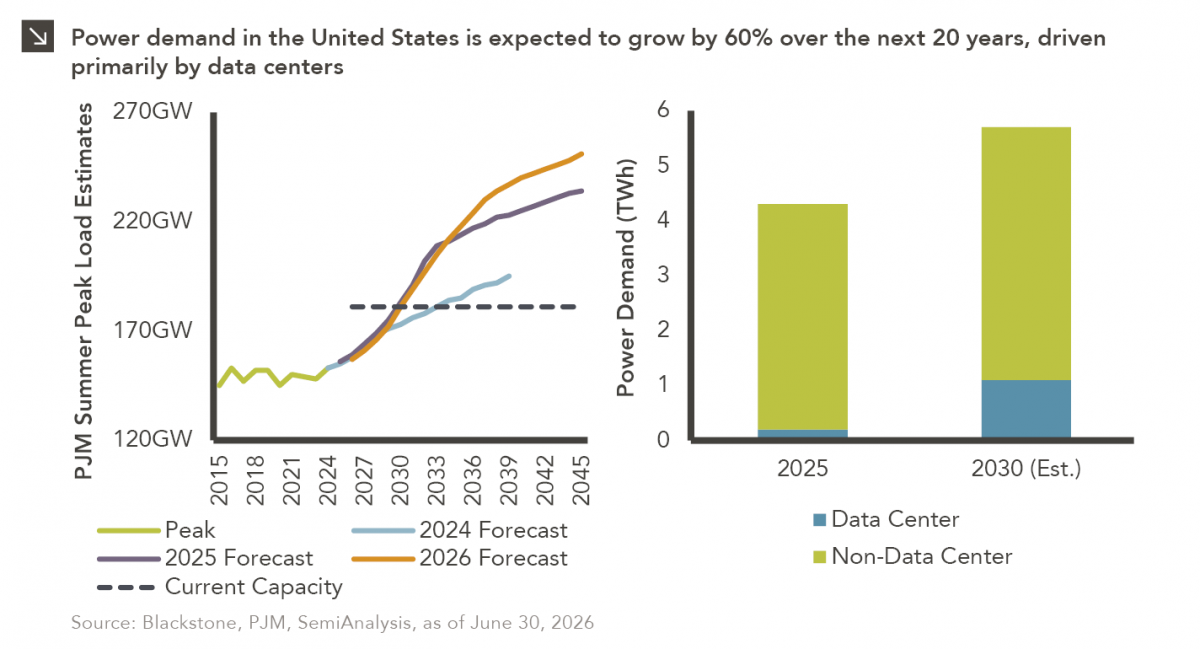
This week’s chart highlights the accelerating growth of electricity demand in the U.S., which has been driven primarily by the…
10.05.2026
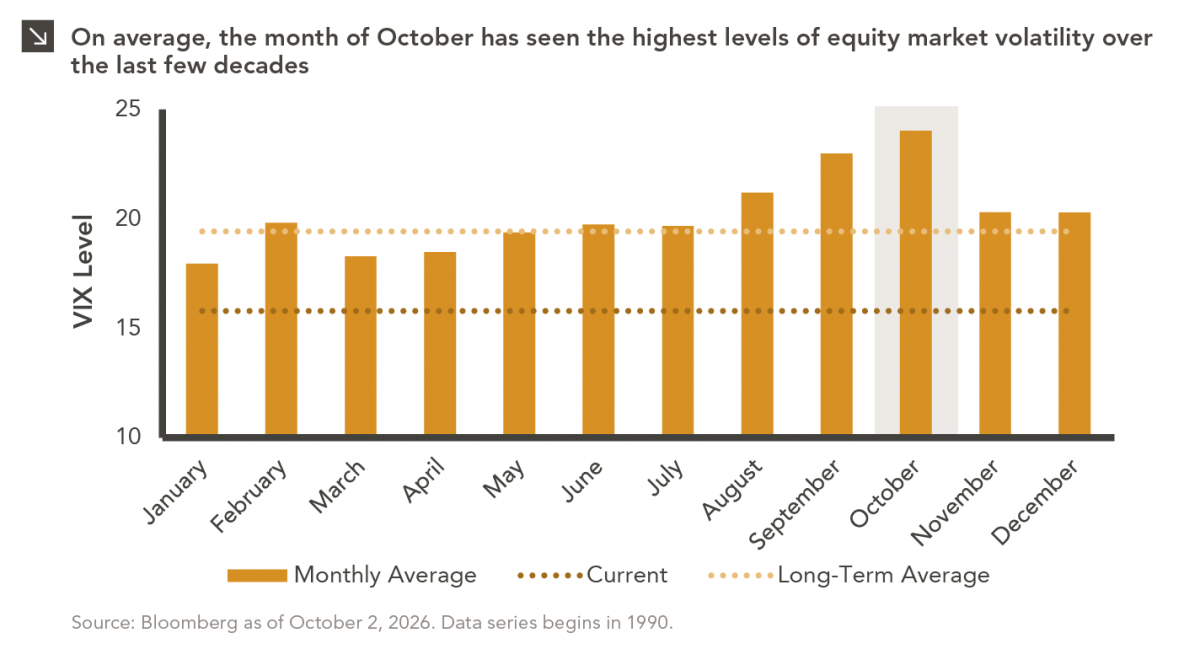
For investors, the spookiest thing about October might not be the ghosts and monsters that are bound to show up…
09.28.2026
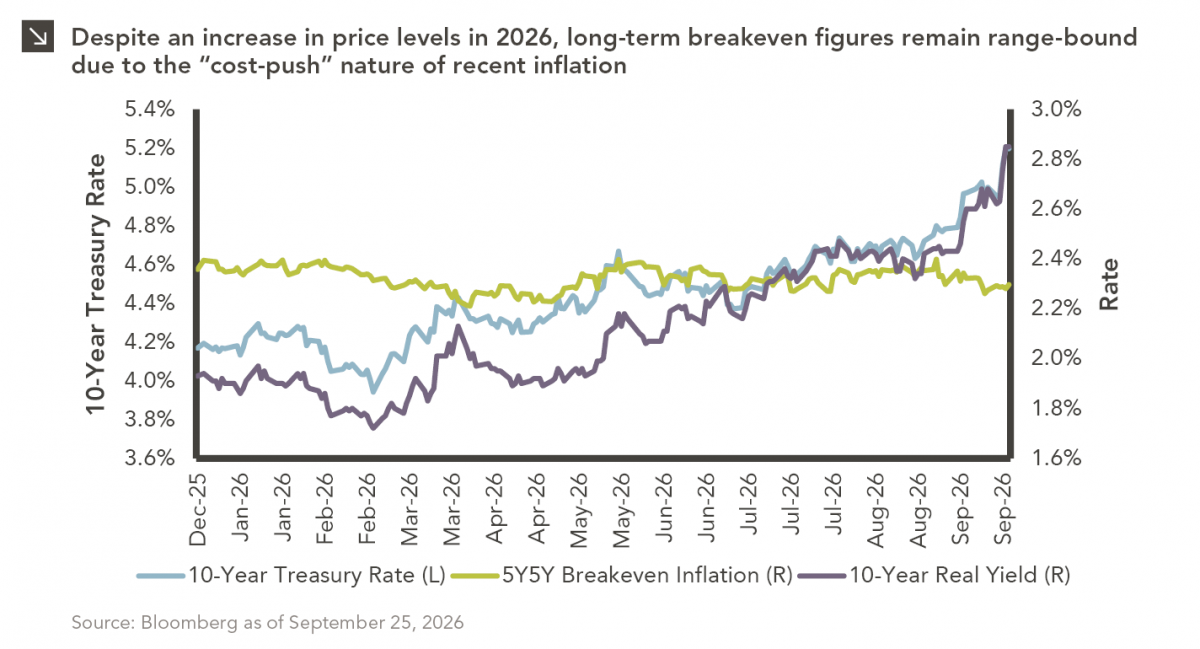
The phrase “expectations of higher inflation” has become a staple in financial news to explain the increase in nominal U.S….
Research alerts keep you updated on our latest research publications. Simply enter your contact information, choose the research alerts you would like to receive and click Subscribe. Alerts will be sent as research is published.
We respect your privacy. We will never share or sell your information.
If you have questions or need further information, please contact us directly and we will respond to your inquiry within 24 hours.
Contact Us >