10.12.2026
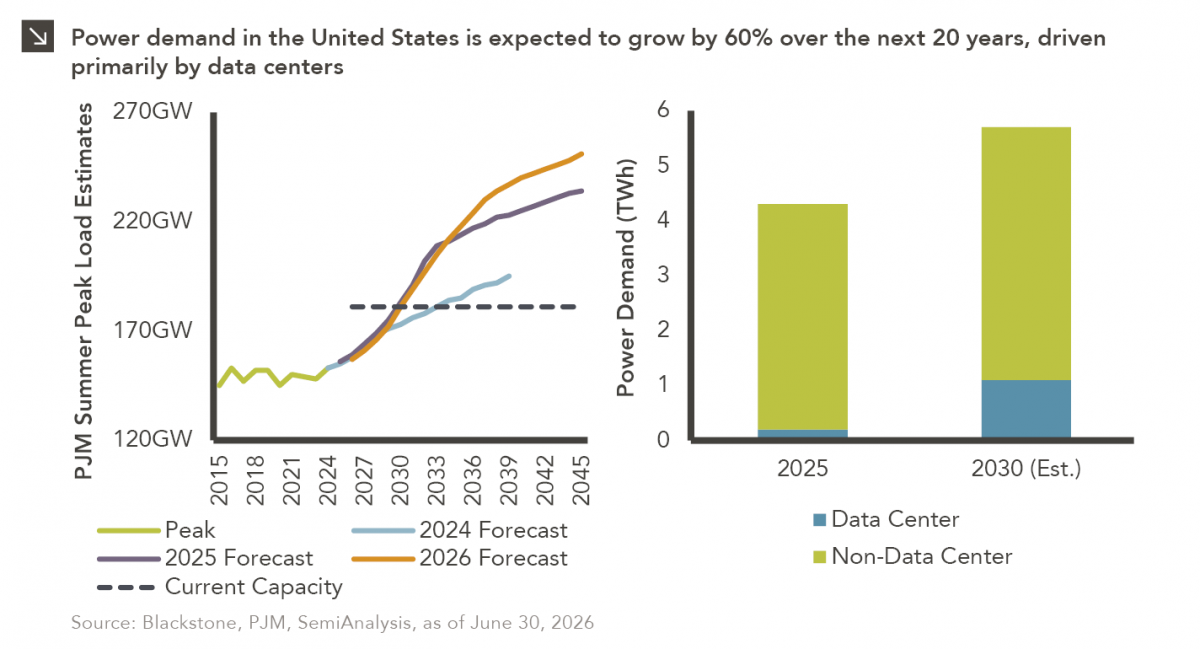
The Power Demand Supercycle
This week’s chart highlights the accelerating growth of electricity demand in the U.S., which has been driven primarily by the…


Most investors likely understand what is known as “fundamental” investment analysis: analysts assess a company’s health based on revenue, earnings, cash flow, and other financial and economic indicators. An alternative method of identifying attractive investments is “quantitative” investment analysis, and this approach has soared in popularity over the past few decades. Quantitative analysis features complex mathematical models which incorporate statistical and economic variables including valuation ratios, risk measurements, and trading behaviors of a stock, though the possibilities for variables are nearly endless. The advent of social media has even made it possible to include behavioral variables that adjust for investor sentiment.
As charted above, the average “quant” fund has outperformed the average fundamental fund on a trailing 1-, 3-, 5-, and 7-year gross-of-fee basis within the eVestment universe, a database used to track investment products. This recent outperformance is in stark contrast to the same trailing numbers just seven years prior (2009), shortly after the Financial Crisis. Critics argue that because many models use similar inputs, there is a large overlap in holdings amongst quant managers and that during a negative inflection point in the market, many portfolios are trying to dump the same stocks; the trailing performance as of 3/31/2009 certainly supports this argument. However, quant managers that survived the financial crisis argue that they have since built more adaptable models. Additionally, the amount of data readily harvested and available has grown exponentially over the past decade, which could help quantitative models become more robust.
What lies ahead for quant funds if the markets are hit swiftly with a large downturn? If the Brexit is any indication, albeit a very mild one, quant managers may have in fact prepared themselves for such a situation. For the second quarter of this year, quant managers were flat with or slightly below fundamental managers on a gross-of-fee basis. Considering quant funds typically charge much lower fees than fundamental funds, if they are able to adapt in a swiftly changing market environment, then they may prove useful as a low-cost option within a portfolio.
The opinions expressed herein are those of Marquette Associates, Inc. (“Marquette”), and are subject to change without notice. This material is not financial advice or an offer to purchase or sell any product. Marquette reserves the right to modify its current investment strategies and techniques based on changing market dynamics or client needs.
10.12.2026
This week’s chart highlights the accelerating growth of electricity demand in the U.S., which has been driven primarily by the…

10.08.2026
LIVE WEBINAR — OCTOBER 22 Please join Marquette’s research team for our 3Q 2026 Market Insights Webinar…
10.05.2026
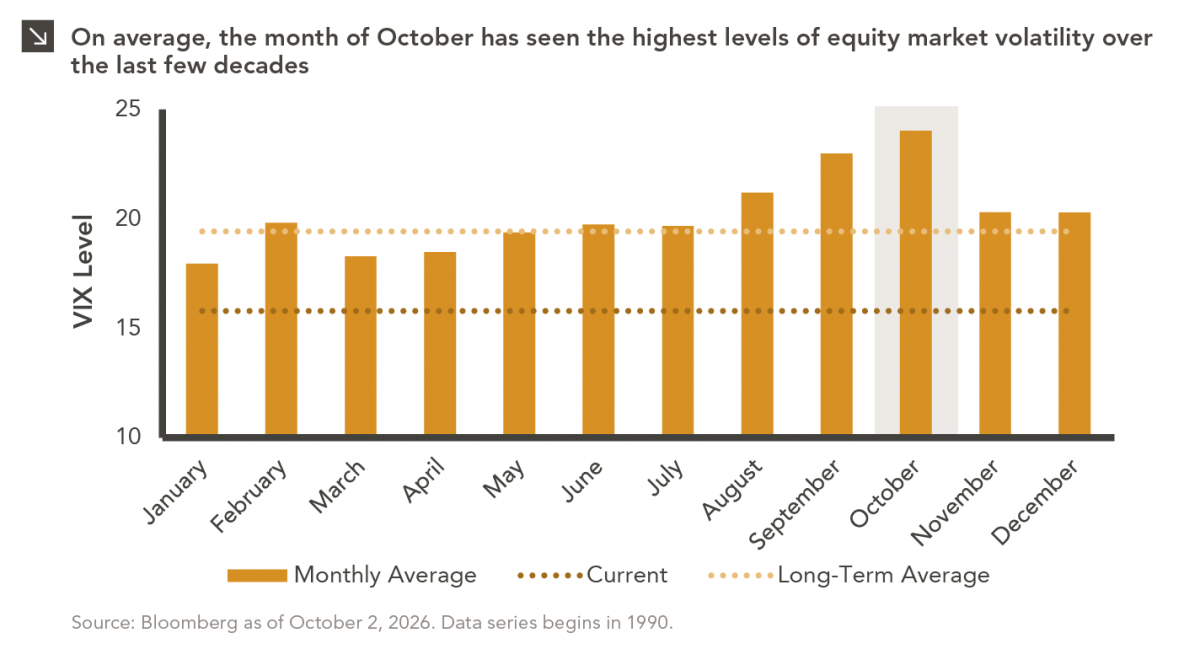
For investors, the spookiest thing about October might not be the ghosts and monsters that are bound to show up…
09.28.2026
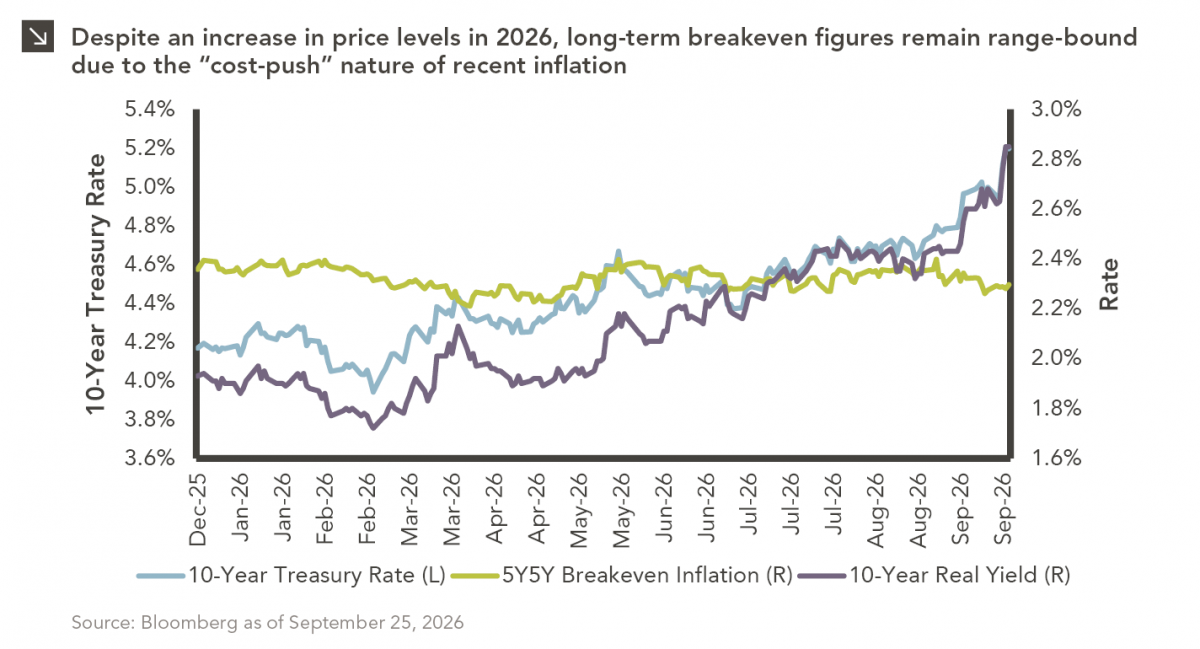
The phrase “expectations of higher inflation” has become a staple in financial news to explain the increase in nominal U.S….
09.21.2026
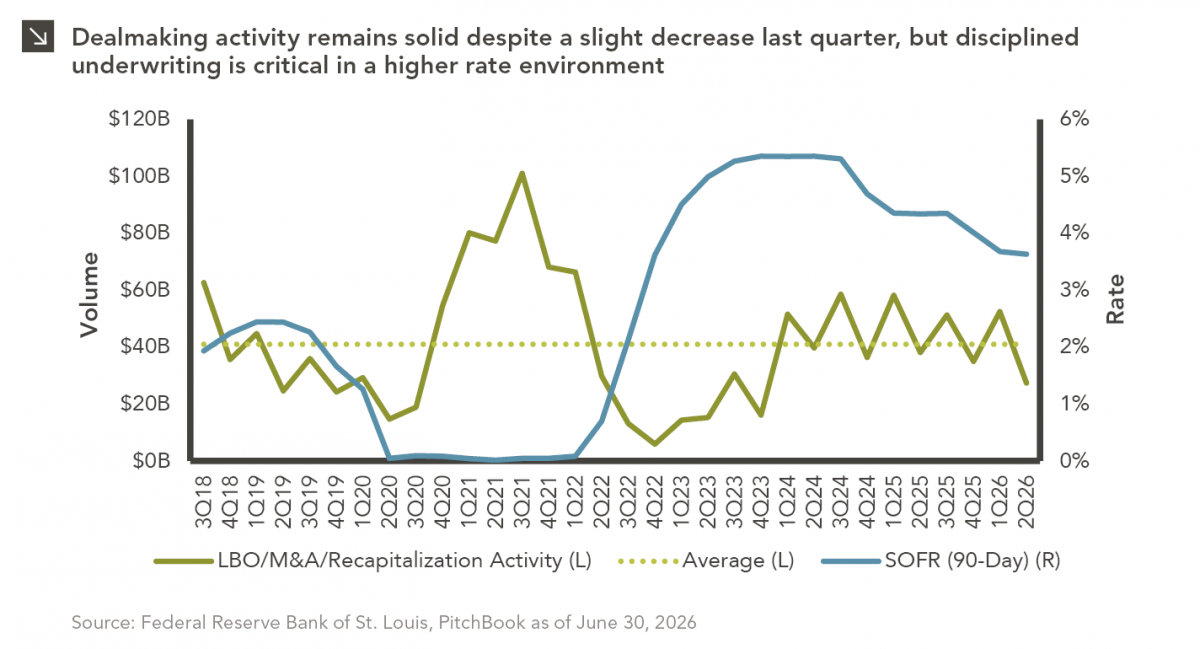
For much of the past several years, the conventional view has been that higher interest rates and stretched valuations would…
09.14.2026
There are many great things about working at Marquette Associates, but “Free Lunch Tuesday” is right at the top of…
Research alerts keep you updated on our latest research publications. Simply enter your contact information, choose the research alerts you would like to receive and click Subscribe. Alerts will be sent as research is published.
We respect your privacy. We will never share or sell your information.
If you have questions or need further information, please contact us directly and we will respond to your inquiry within 24 hours.
Contact Us >