10.08.2026
3Q 2026 Market Insights
This video is a recording of a live webinar held October 22 by Marquette’s research team analyzing the third quarter…


A previous Chart of the Week published in April entitled “Buy Land, They’re Not Making It Anymore” discussed the fundamentals driving the domestic housing market, including an increase in home valuations and a decrease in the number of new homes built in the United States over the last decade. Data released this week by Anytime Estimate serves to shed additional light on current housing dynamics. One of the most noteworthy aspects of this report is that millennials accounted for roughly two-thirds of first-time buyers in a survey of more than 700 respondents who purchased a home since the start of 2021. Generally speaking, this is good news for the housing market and pushes back against the notion that individuals in this age demographic have avoided home ownership because they prefer to rent. The bad news, according to the Anytime Estimate survey, is that 72% of buyers since 2021 have regrets about their home purchase, with over one-fifth of all buyers indicating complete dissatisfaction with the process and result. To that point, over 25% of respondents claimed they either spent too much money on their home or bought the home too quickly, not giving the purchase adequate consideration. Additional regrets include buying a “fixer-upper” that requires extensive maintenance (24% of respondents), feeling pressured to make an offer (21% of respondents), and purchasing the home sight unseen (17% of respondents).
Regrets notwithstanding (and jokes about millennials thinking buying a home was as easy as purchasing a slice of avocado toast aside), the results of this survey are largely encouraging. Homes tend to be beneficial investments, so recent purchases could allow millennials to build significant wealth over the coming decades. Additionally, many of these first-time buyers have reason to feel good about their purchases given the fact that they likely financed their homes at record low-interest rates. In recent months, the housing market in the U.S. has cooled substantially, which is evident by a buildup in inventories and a pullback in housing starts. This pullback may serve as a welcome respite for interested buyers in the near term. Marquette will continue to monitor dynamics within the market for housing with the conviction that real estate acts as a strong value-add for investors with long time horizons.
Print PDF > Movin’ Out (Of Their Parents’ Basement)
The opinions expressed herein are those of Marquette Associates, Inc. (“Marquette”), and are subject to change without notice. This material is not financial advice or an offer to purchase or sell any product. Marquette reserves the right to modify its current investment strategies and techniques based on changing market dynamics or client needs.

10.08.2026
This video is a recording of a live webinar held October 22 by Marquette’s research team analyzing the third quarter…

10.22.2026
Anyone who has run a marathon knows the last six miles are brutal — no matter how well the first…
10.19.2026
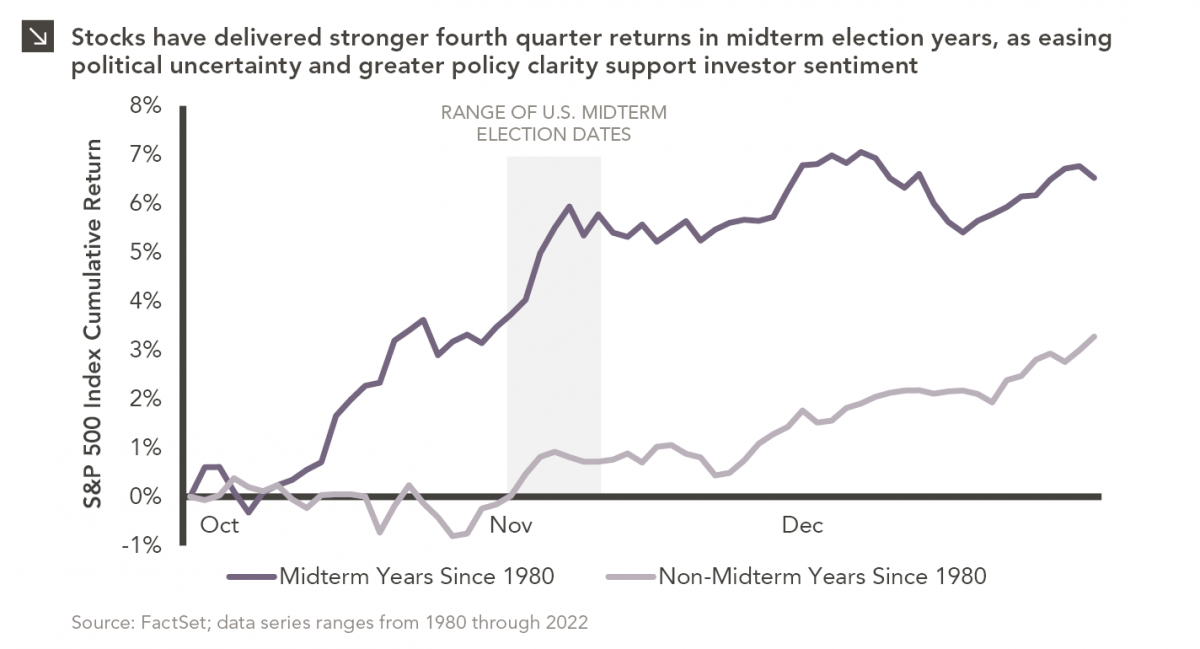
Since 1980, the S&P 500 Index has generally performed well in the weeks surrounding U.S. midterm elections. Specifically, the index…
10.12.2026
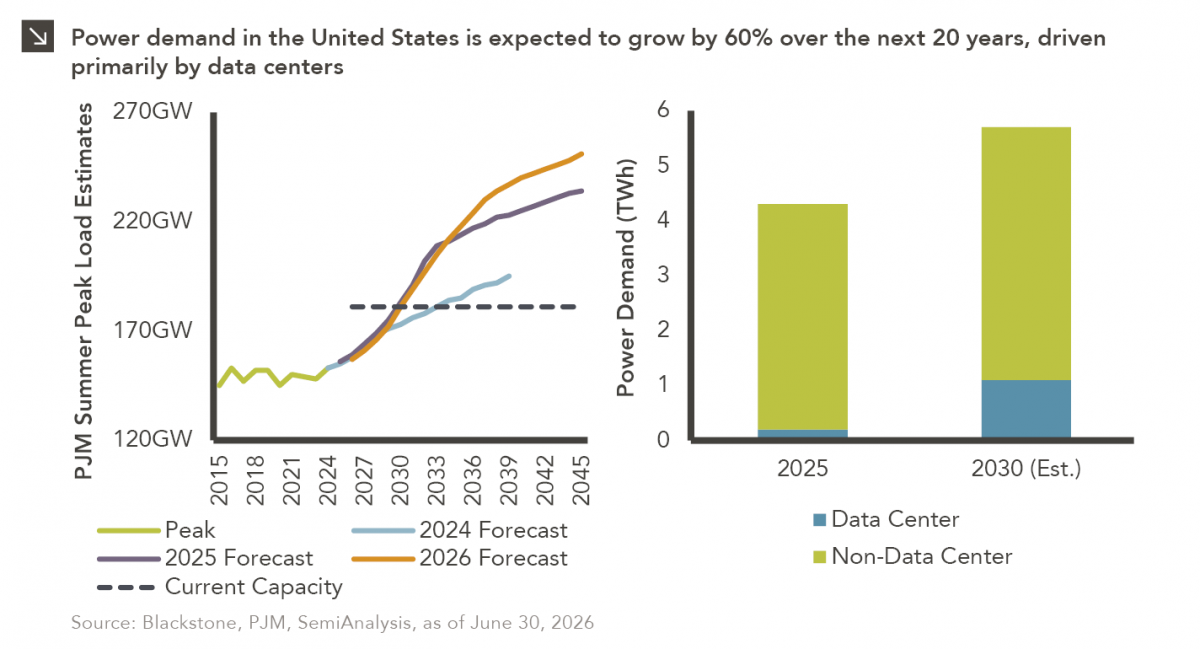
This week’s chart highlights the accelerating growth of electricity demand in the U.S., which has been driven primarily by the…
10.05.2026
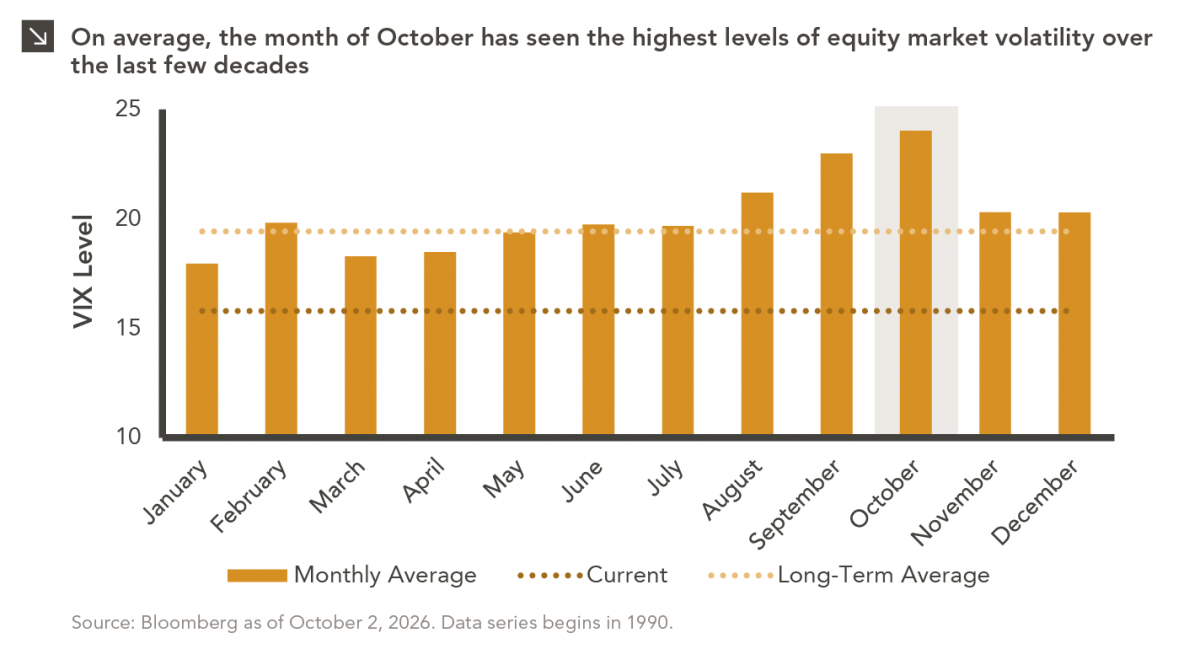
For investors, the spookiest thing about October might not be the ghosts and monsters that are bound to show up…

09.28.2026
The phrase “expectations of higher inflation” has become a staple in financial news to explain the increase in nominal U.S….
Research alerts keep you updated on our latest research publications. Simply enter your contact information, choose the research alerts you would like to receive and click Subscribe. Alerts will be sent as research is published.
We respect your privacy. We will never share or sell your information.
If you have questions or need further information, please contact us directly and we will respond to your inquiry within 24 hours.
Contact Us >