David Hernandez, CFA
Director of Traditional Manager Search


In 2017 the global economy underwent a synchronized move upward and investors saw equities throughout the world generate double-digit returns. That momentum was lost in 2018 and most economic data points missed analysts’ expectations leading to downward revisions in GDP growth. As a result, several major central banks have taken steps to become more accommodative to help navigate the slowdown.
In the U.S., the Fed has put future rate hikes on pause and has communicated it will be patient on future adjustments. Based on Fed Funds futures, the market expects an eventual rate cut. In Europe, the ECB extended its no rate hike stance through the end of 2019. Additionally, the central bank announced its third targeted long-term refinancing operation aimed at avoiding a credit squeeze that could exacerbate the economic slowdown. In China, authorities organized a stimulus package including $298B in tax cuts to help boost domestic demand. Additionally, the country has reduced the bank reserve ratio from 17% at the start of 2018 to 13.5% as of 1Q19. Though still early, there has not been a marked improvement in global economic activity. However, markets have welcomed the more accommodative stances from these three key central banks and equity markets have rebounded from the tough 4Q 2018.
Print PDF > Global Central Banks React to Slowed Economic Momentum
The opinions expressed herein are those of Marquette Associates, Inc. (“Marquette”), and are subject to change without notice. This material is not financial advice or an offer to purchase or sell any product. Marquette reserves the right to modify its current investment strategies and techniques based on changing market dynamics or client needs.

The opinions expressed herein are those of Marquette Associates, Inc. (“Marquette”), and are subject to change without notice. This material is not financial advice or an offer to purchase or sell any product. Marquette reserves the right to modify its current investment strategies and techniques based on changing market dynamics or client needs.
10.19.2026
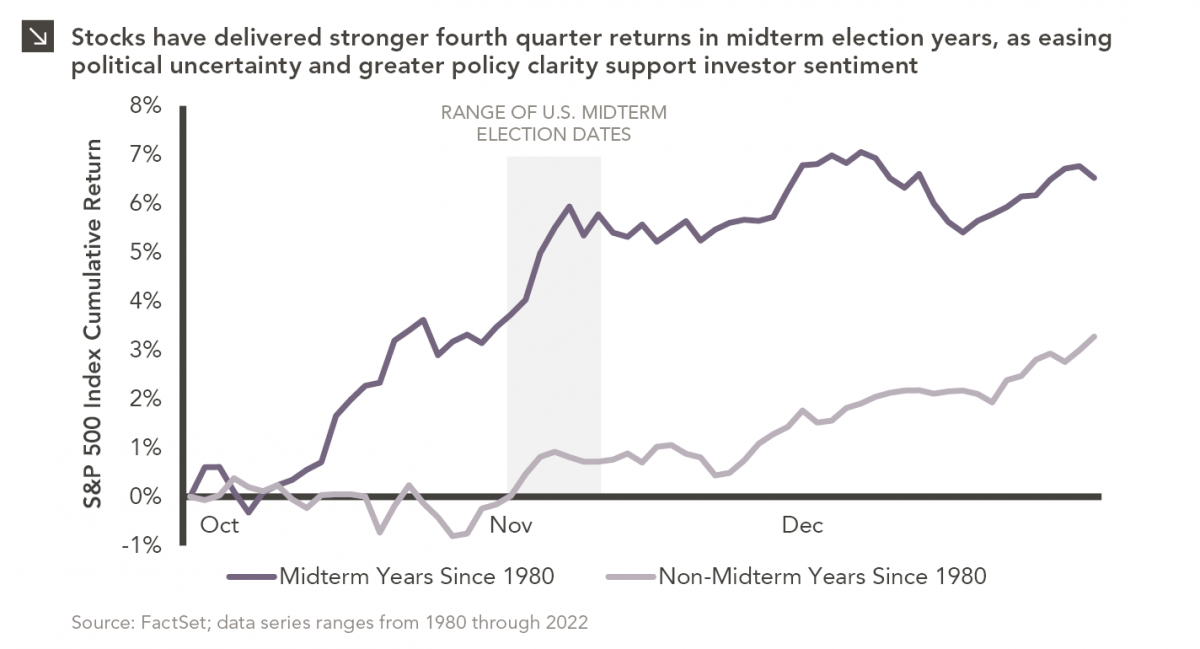
Since 1980, the S&P 500 Index has generally performed well in the weeks surrounding U.S. midterm elections. Specifically, the index…
10.12.2026
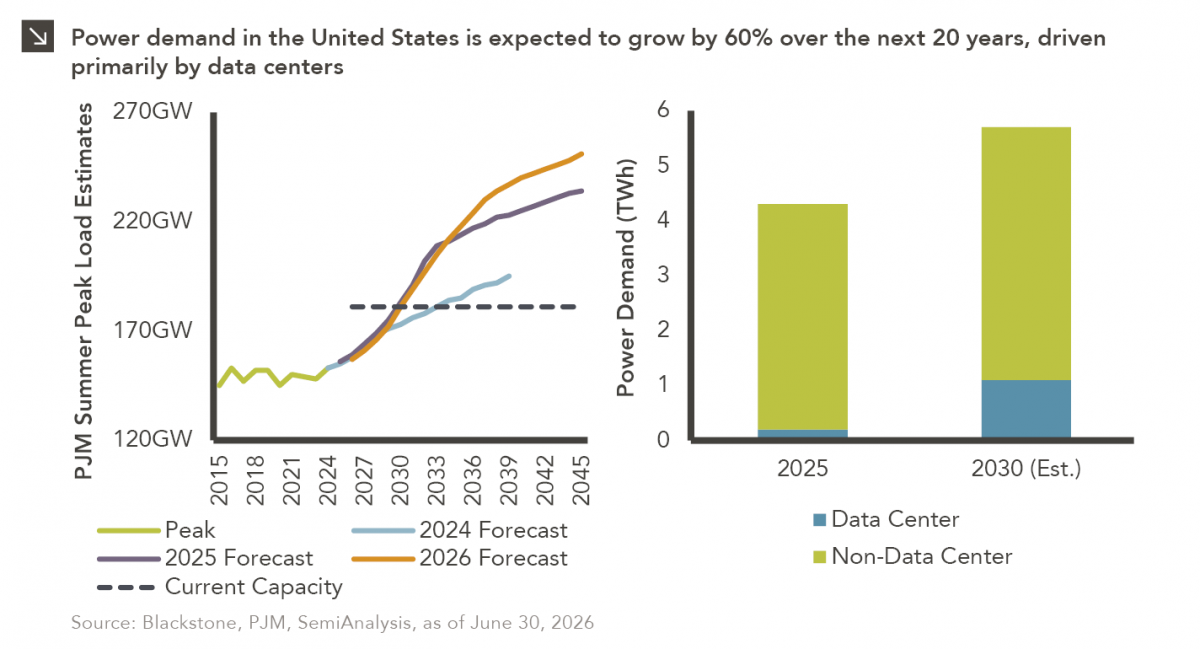
This week’s chart highlights the accelerating growth of electricity demand in the U.S., which has been driven primarily by the…

10.08.2026
LIVE WEBINAR — OCTOBER 22 Please join Marquette’s research team for our 3Q 2026 Market Insights Webinar…
10.05.2026
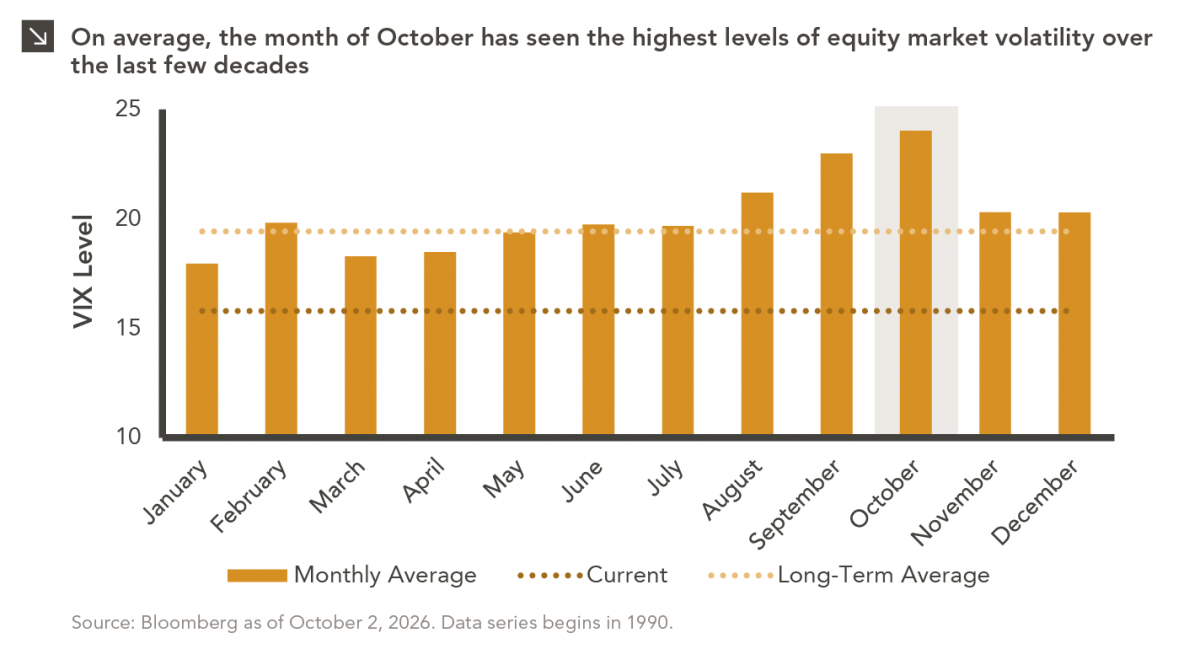
For investors, the spookiest thing about October might not be the ghosts and monsters that are bound to show up…
09.28.2026
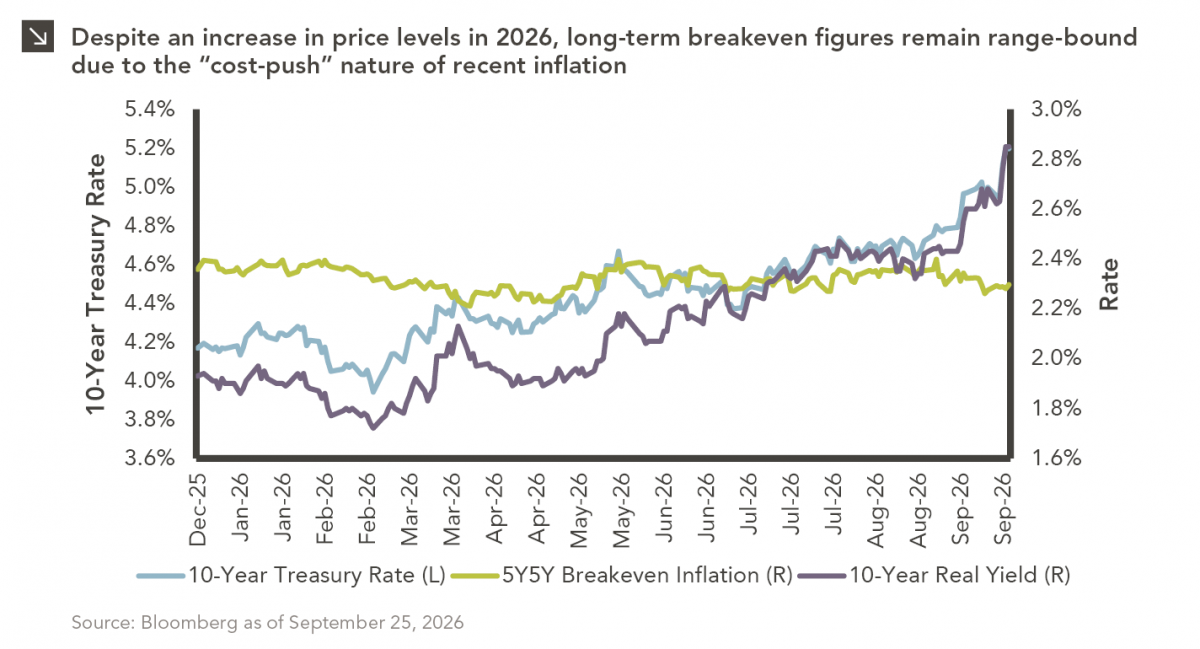
The phrase “expectations of higher inflation” has become a staple in financial news to explain the increase in nominal U.S….
09.21.2026
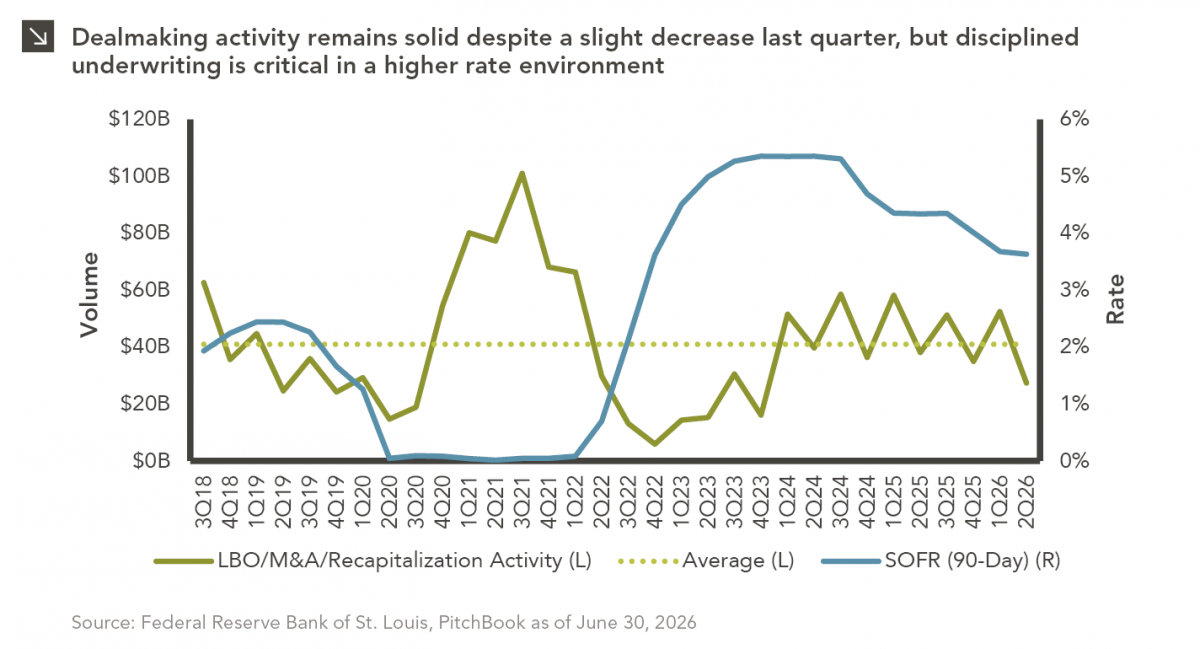
For much of the past several years, the conventional view has been that higher interest rates and stretched valuations would…
Research alerts keep you updated on our latest research publications. Simply enter your contact information, choose the research alerts you would like to receive and click Subscribe. Alerts will be sent as research is published.
We respect your privacy. We will never share or sell your information.
If you have questions or need further information, please contact us directly and we will respond to your inquiry within 24 hours.
Contact Us >