09.08.2026
EMD’s Second Chance?
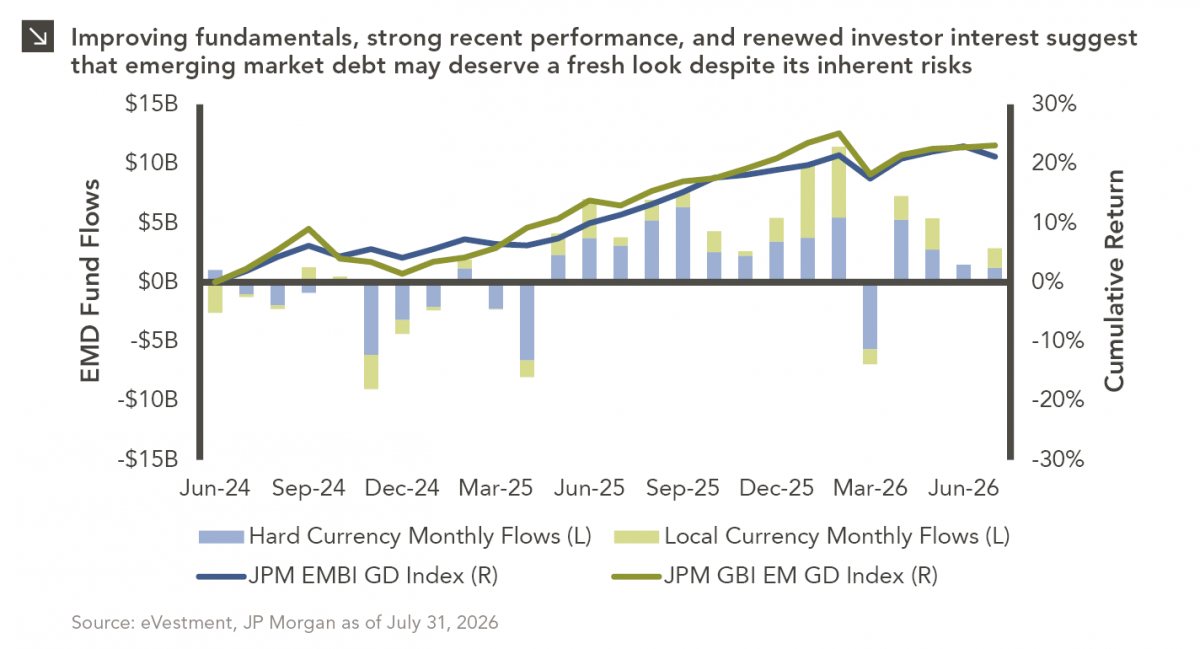
Over the last several years, emerging market debt (EMD) has faced several headwinds, with rising yields across other fixed income…


Although the broad economy has grown steadily since the beginning of 2009, the construction sector remains mired in a state of recession. Construction employment peaked at the end of 2006 as the housing bubble began its collapse. Currently, the unemployment rate of the construction sector stands at 21.8%. This is primarily contingent upon the fact that residential construction is at its lowest annual rate since records began in 1959. Unfortunately for the construction sector, there is little indication that residential construction will pick up in the short term. The National Association of Realtors is forecasting that new housing starts will slowly increase from its current annual pace of approximately 500,000 to 900,000 in the second quarter of 2012, which is substantially less than the historical annual average of 1,500,000.
At the current sales pace of existing homes, there is 8.6 months of supply on the market. Most industry analysts consider 6 months a healthy supply of homes. When taking into consideration the shadow inventory of homes (homes in the early stages of foreclosure process not currently listed) the condition is much worse. Additionally, approximately 40% of sales in the past month were either foreclosures or short sales which drive down the median price of existing home and make new homes (new construction) look less attractive from a price point. The road to recovery in the construction sector will be a slow one, but at least there has been some stabilization in the number of construction jobs (5,500,000) since the midpoint of 2010.
The opinions expressed herein are those of Marquette Associates, Inc. (“Marquette”), and are subject to change without notice. This material is not financial advice or an offer to purchase or sell any product. Marquette reserves the right to modify its current investment strategies and techniques based on changing market dynamics or client needs.
09.08.2026
Over the last several years, emerging market debt (EMD) has faced several headwinds, with rising yields across other fixed income…
08.31.2026
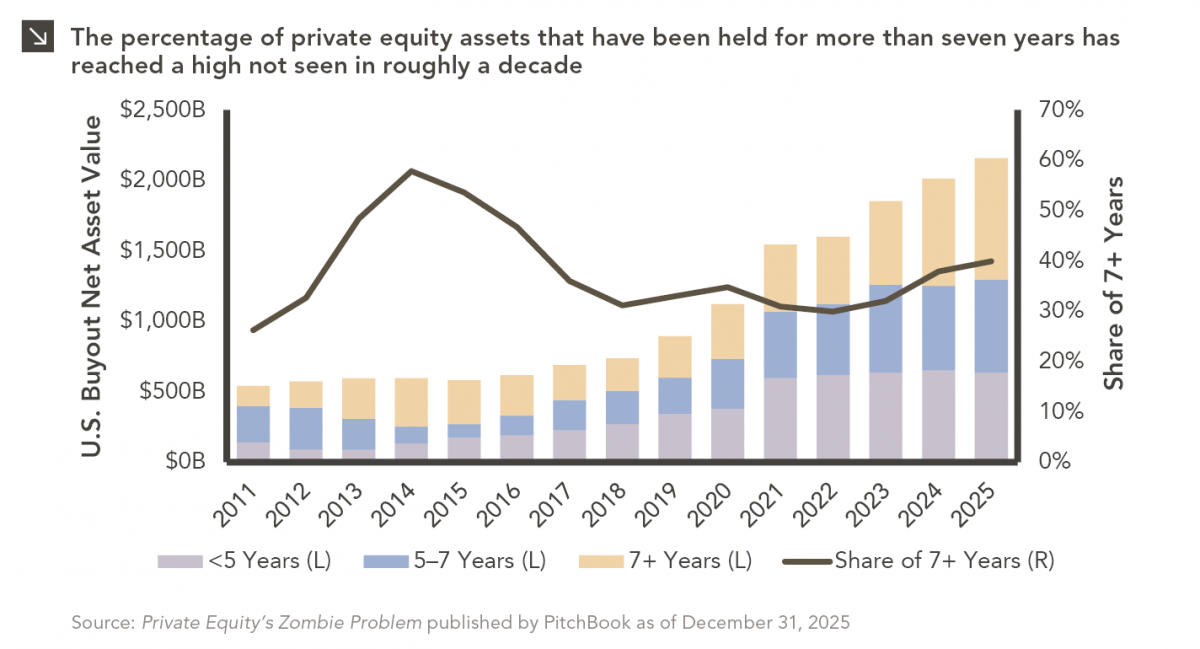
Private equity has always had a few portfolio companies that refused to leave the party. Today, however, the industry appears…
08.24.2026
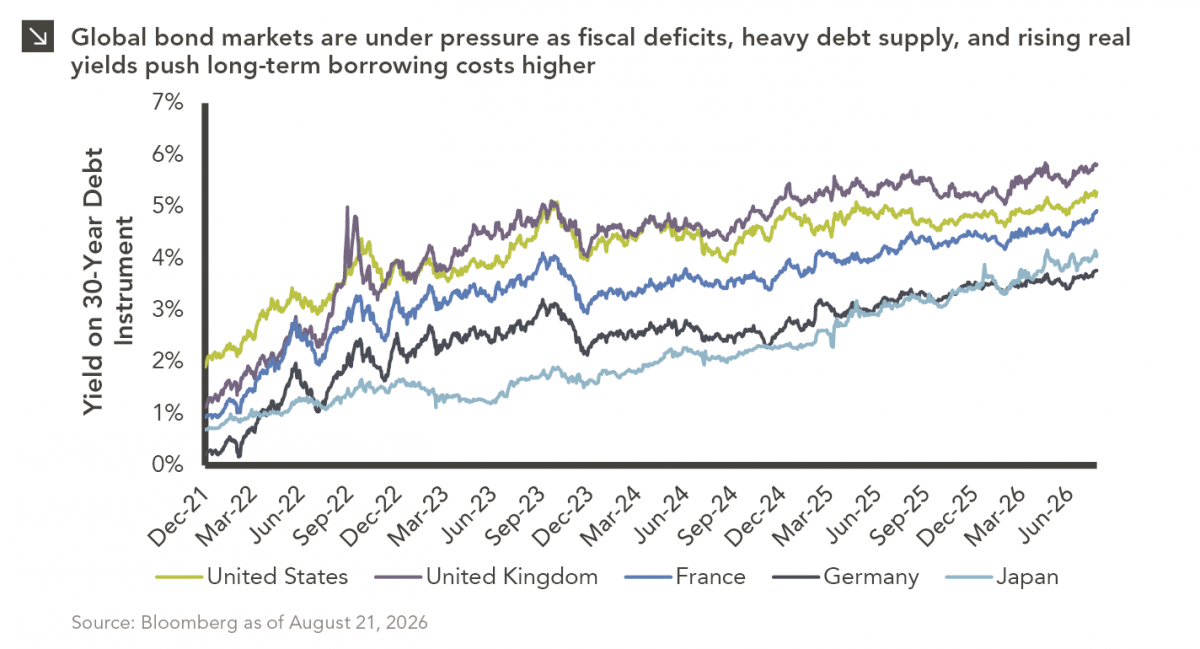
The global bond market is facing renewed pressure as investors demand higher yields to hold long-dated government debt, pushing borrowing…
08.17.2026
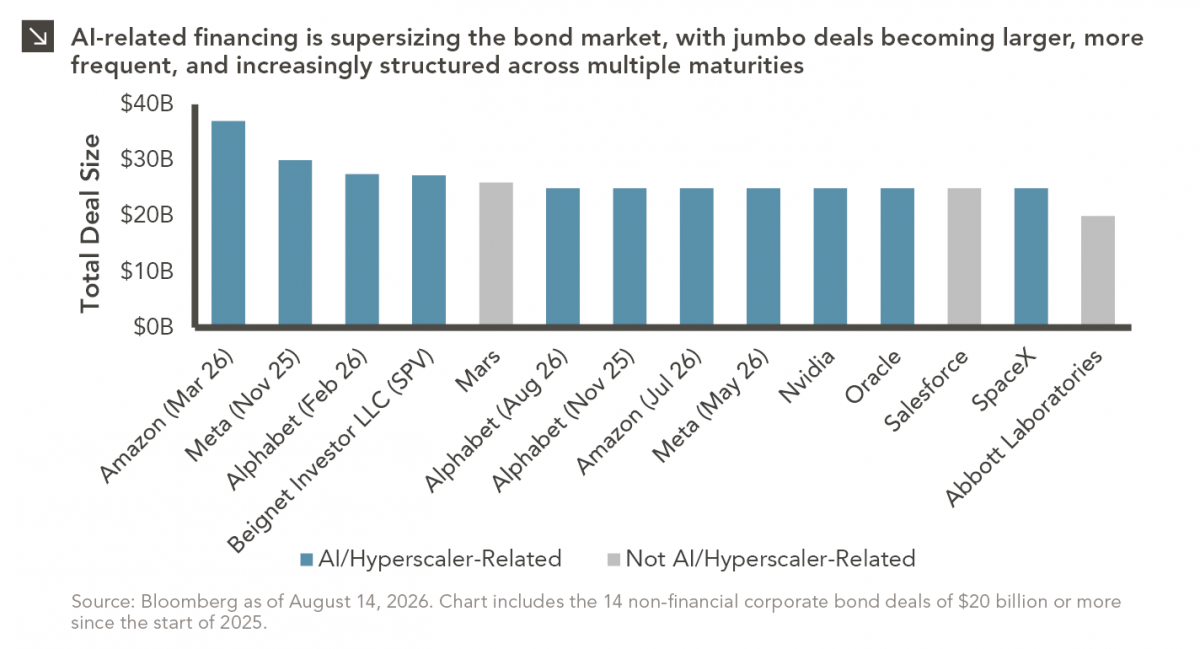
As a college football player struggling to put on mass, the “supersizing” deal at McDonald’s was hard to beat. For…
08.10.2026
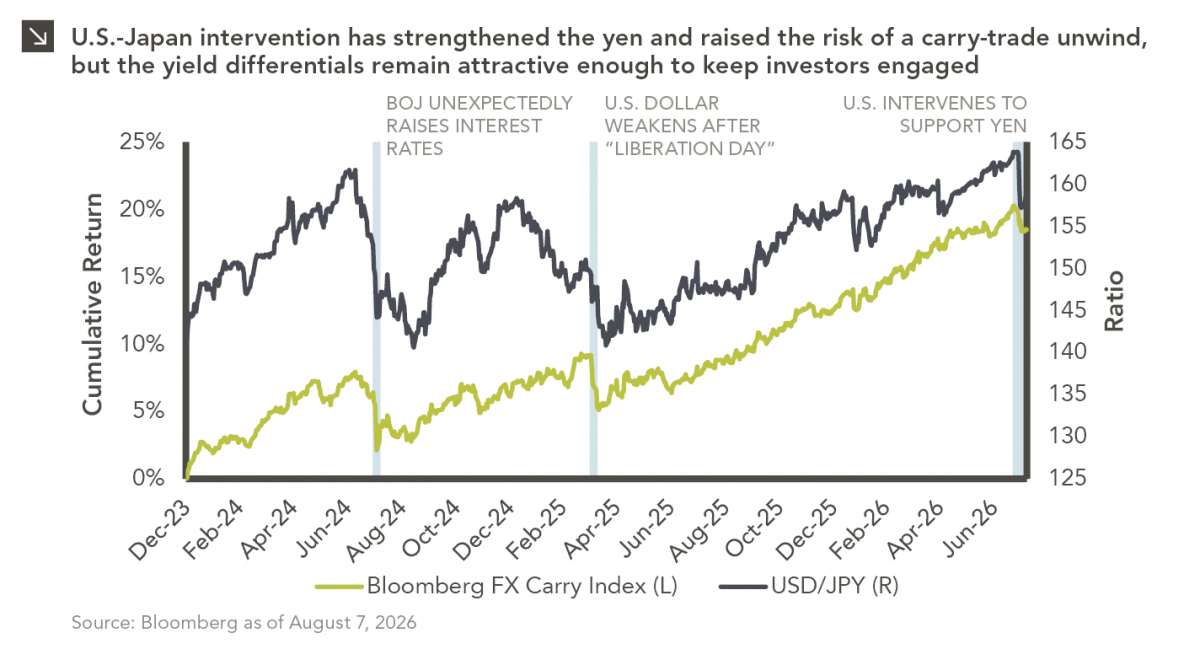
After reaching nearly ¥164 per dollar, its weakest level in roughly four decades, the yen had become a source of…
08.03.2026
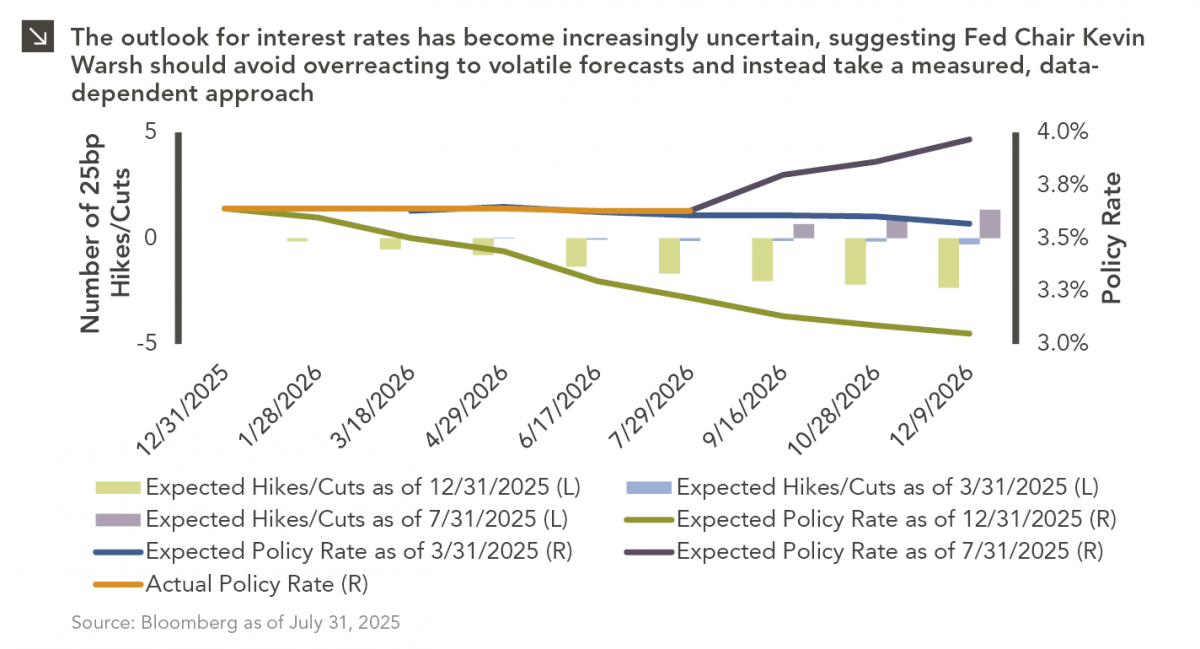
In the cinematic masterpiece Rocky IV, Rocky gets dazed by his opponent, Captain Ivan Drago, and complains that he sees…
Research alerts keep you updated on our latest research publications. Simply enter your contact information, choose the research alerts you would like to receive and click Subscribe. Alerts will be sent as research is published.
We respect your privacy. We will never share or sell your information.
If you have questions or need further information, please contact us directly and we will respond to your inquiry within 24 hours.
Contact Us >