Nat Kellogg, CFA
President


After a very disappointing year in 2013, emerging market equities got off to a rough start in 2014, underperforming U.S. stocks by 2.2% during the first quarter. However, emerging markets stocks have recently started to show signs of life, up over 5% since the end of March and outperforming U.S. markets. This may come as a surprise to some as the economic data out of China has remained weak and there have been only modest improvements in the current account balances of the “fragile five” (Indonesia, India, Turkey, South Africa, and Brazil). So why the outperformance?
While we mostly focus on economic data and the business cycle to inform our understanding of financial markets, it is important to remember that politics can play a role as well, particularly in emerging markets. This week’s chart looks at the impact of two recent political events on financial markets.
First, the blue line on this chart shows the cumulative price performance, on a quarter-to-date (“QTD”) basis, for the Sensex Index, the main stock market index in India. As the chart shows, improved equity market performance has coincided with the recent Indian election in which Narendra Modi and the BJP party recently won a sweeping victory. Mr. Modi has an impressive record of reform and growth from his days as the Chief Minister of Gujarat and has been elected with a mandate to improve economic growth by cutting red tape and loosening restrictive labor markets.
Second, Gazprom (the largest energy company in Russia) shares have rallied recently ahead of Putin’s much anticipated visit to Beijing. This visit culminated on May 23rd with the announcement that Russia had signed a $400 billion, 30-year pact to supply China with natural gas. Gazprom is the largest natural gas producer in Russia and is likely to be the largest direct beneficiary of the agreement.
India represents 7.08% of the MSCI Emerging Markets index and Gazprom represents 1.27% of the MSCI Emerging Markets index and is the sixth-largest holding in the index. As a result, these recent political developments have had a meaningful effect on the performance of emerging market investors’ portfolios and serve as a reminder that political — as well as economic — developments can drive equity market returns.

The opinions expressed herein are those of Marquette Associates, Inc. (“Marquette”), and are subject to change without notice. This material is not financial advice or an offer to purchase or sell any product. Marquette reserves the right to modify its current investment strategies and techniques based on changing market dynamics or client needs.
09.28.2026
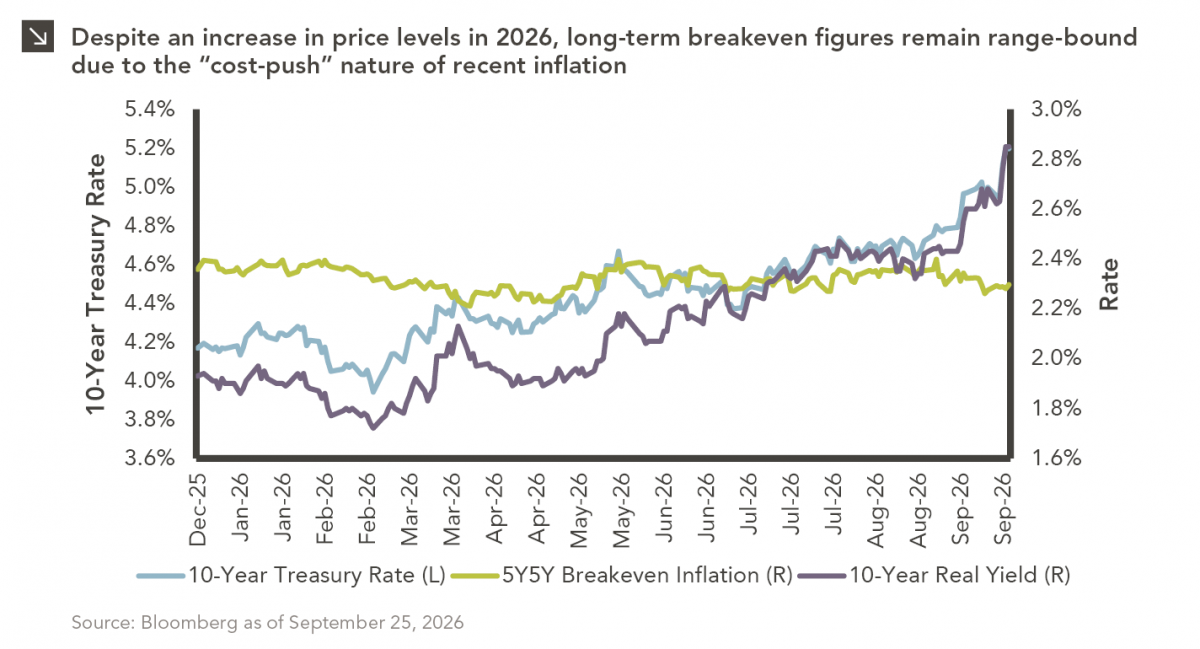
The phrase “expectations of higher inflation” has become a staple in financial news to explain the increase in nominal U.S….
09.21.2026
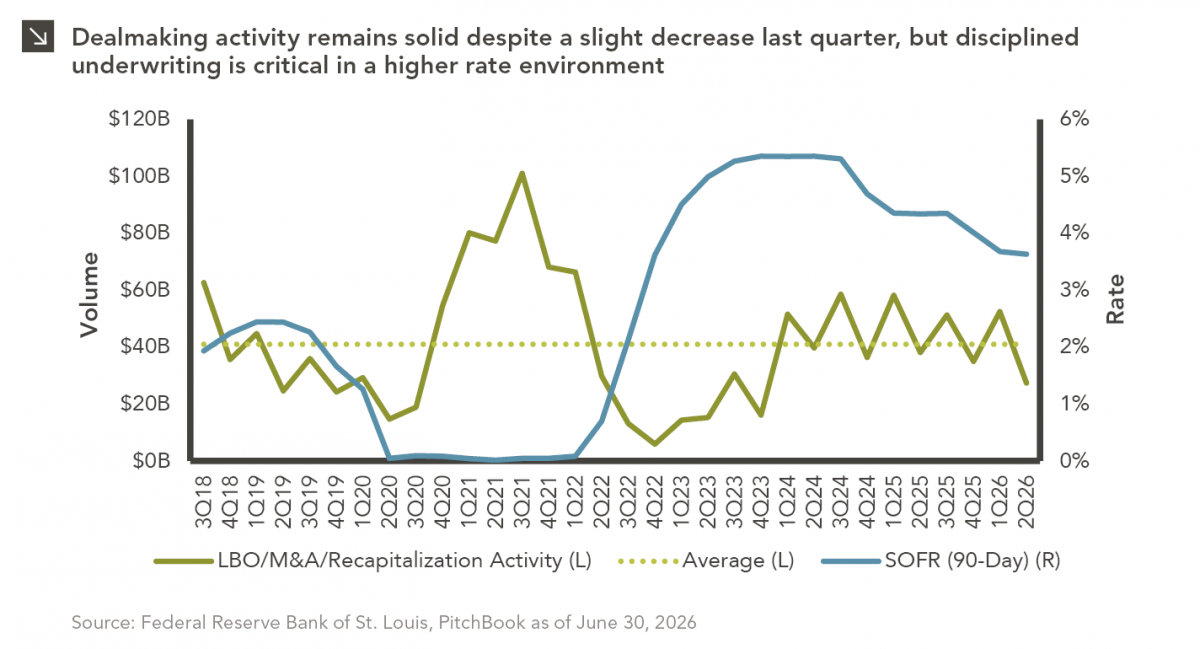
For much of the past several years, the conventional view has been that higher interest rates and stretched valuations would…
09.14.2026
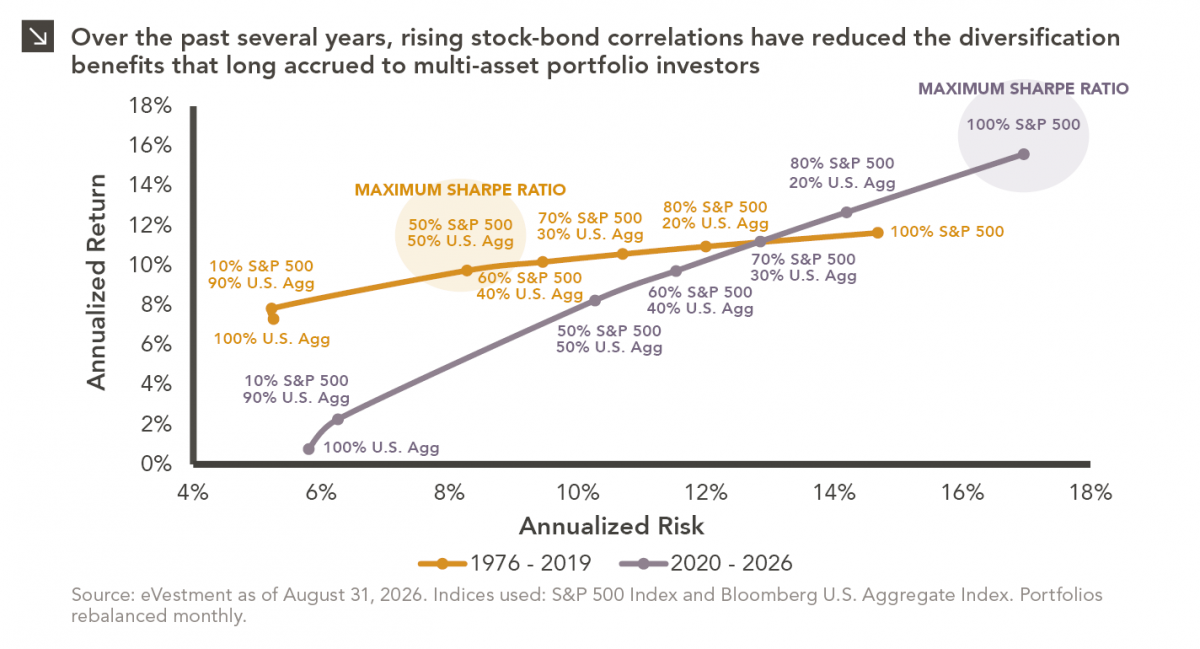
There are many great things about working at Marquette Associates, but “Free Lunch Tuesday” is right at the top of…
09.08.2026
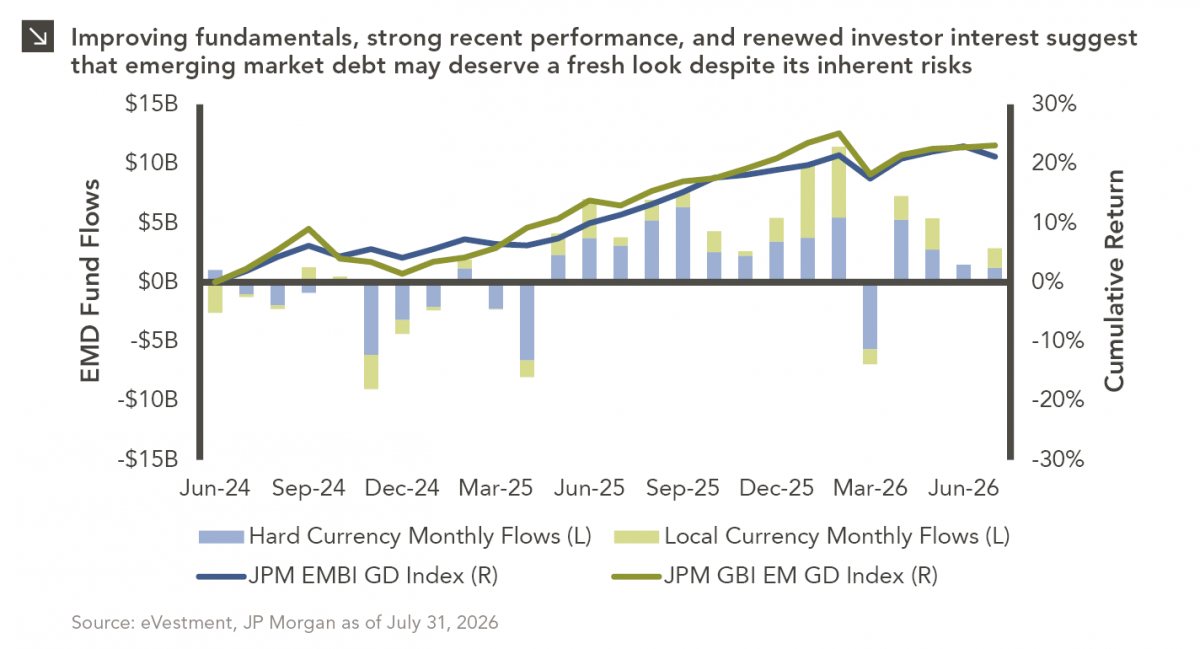
Over the last several years, emerging market debt (EMD) has faced several headwinds, with rising yields across other fixed income…
08.31.2026
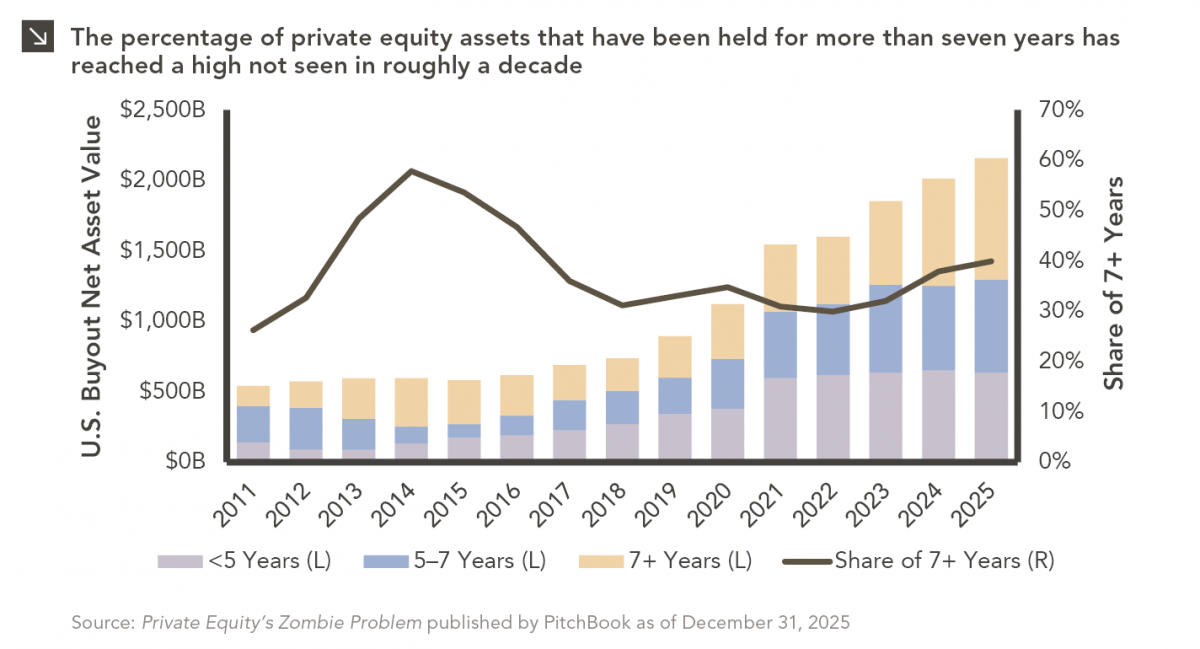
Private equity has always had a few portfolio companies that refused to leave the party. Today, however, the industry appears…
08.24.2026
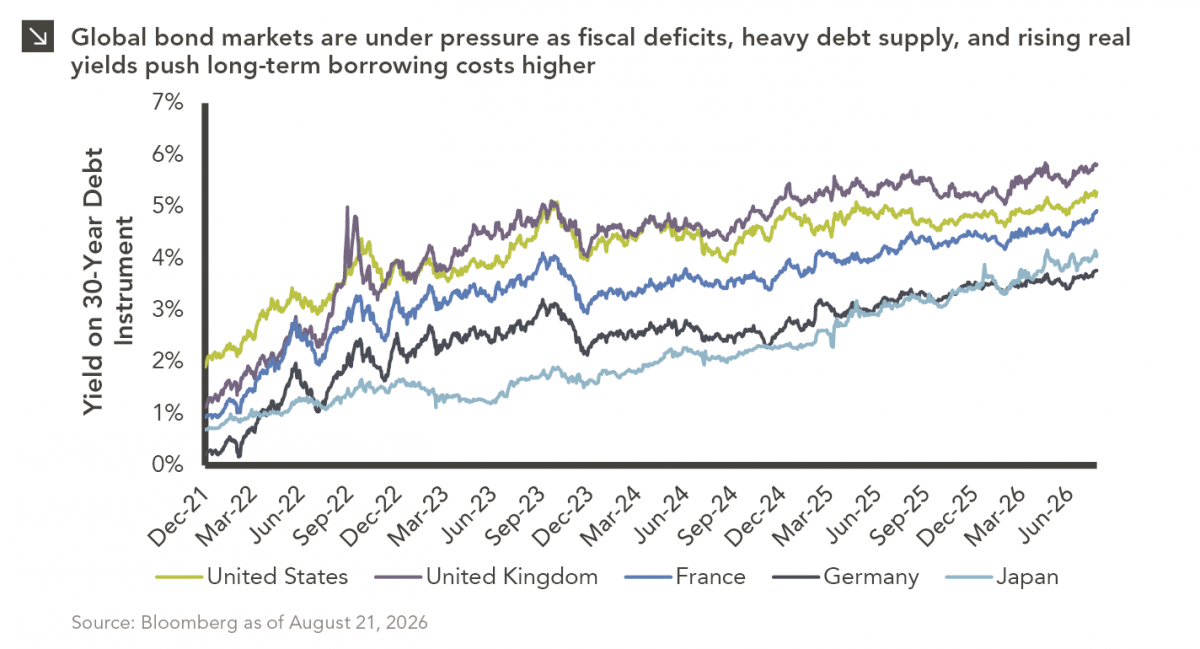
The global bond market is facing renewed pressure as investors demand higher yields to hold long-dated government debt, pushing borrowing…
Research alerts keep you updated on our latest research publications. Simply enter your contact information, choose the research alerts you would like to receive and click Subscribe. Alerts will be sent as research is published.
We respect your privacy. We will never share or sell your information.
If you have questions or need further information, please contact us directly and we will respond to your inquiry within 24 hours.
Contact Us >