10.08.2026
3Q 2026 Market Insights
This video is a recording of a live webinar held October 22 by Marquette’s research team analyzing the third quarter…


COVID-19 has caused a slew of bankruptcies across multiple industries as companies struggle to meet their cash needs. Re-openings might have come too little, too late, as large and small companies alike are filing for restructurings or bankruptcy protection. In this week’s chart, we dive into which industries have been hit the hardest and the potential lasting impact of these bankruptcies.
As shown in the charts above, nearly 140 companies with over $166 billion of assets have been forced to liquidate or restructure to meet the new environment created by COVID-19. Most recently, Ascena Retail Group, parent company of Ann Taylor and Lane Bryant, has been forced to close 1,100 stores and lay off many employees as a result. Overall, retail and restaurants have seen the largest number of companies file for bankruptcy, with 49. However, the amount of assets defaulted on in retail/restaurants were less than energy and travel. Small retail shops and restaurants have been adversely affected as these tight margin businesses are unable to be closed for very long. The shutdowns across the country have forced this exact scenario, and a wave of defaults followed. In energy and travel, large names like Chesapeake Energy ($16.2 B) and Hertz ($25.8 B) have driven the disparity between the number of companies declaring bankruptcy and total assets. Smaller companies are being adversely affected, and additional stimulus may be needed to tide these businesses over. If a second wave of coronavirus hits with an impact similar to the outbreaks in the southern and western parts of the nation, then additional shutdowns will undoubtedly force many more of these businesses to close. The concern is that many mom and pop shops could shut down permanently, forcing consumers to shop at large big-box stores. The long-lasting effects of COVID-19 have yet to be determined, but travel, retail/restaurants, and energy businesses specifically are bearing the brunt of the shutdowns as they are largely unable to be conducted online. These mounting bankruptcies are likely to continue until consumers are able to resume their normal consumption patterns, which includes in-person shopping, dining, and a return to leisure travel.
Print PDF > Mounting Bankruptcies Reflect New Consumption Patterns
The opinions expressed herein are those of Marquette Associates, Inc. (“Marquette”), and are subject to change without notice. This material is not financial advice or an offer to purchase or sell any product. Marquette reserves the right to modify its current investment strategies and techniques based on changing market dynamics or client needs.

10.08.2026
This video is a recording of a live webinar held October 22 by Marquette’s research team analyzing the third quarter…

10.22.2026
Anyone who has run a marathon knows the last six miles are brutal — no matter how well the first…
10.19.2026
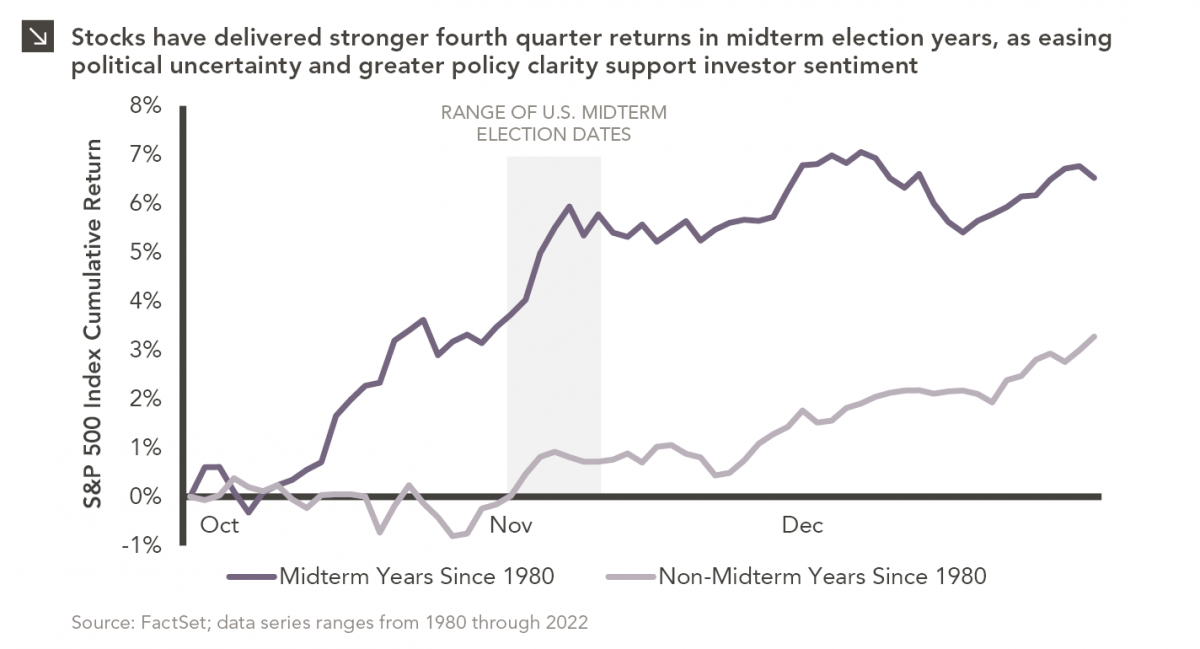
Since 1980, the S&P 500 Index has generally performed well in the weeks surrounding U.S. midterm elections. Specifically, the index…
10.12.2026
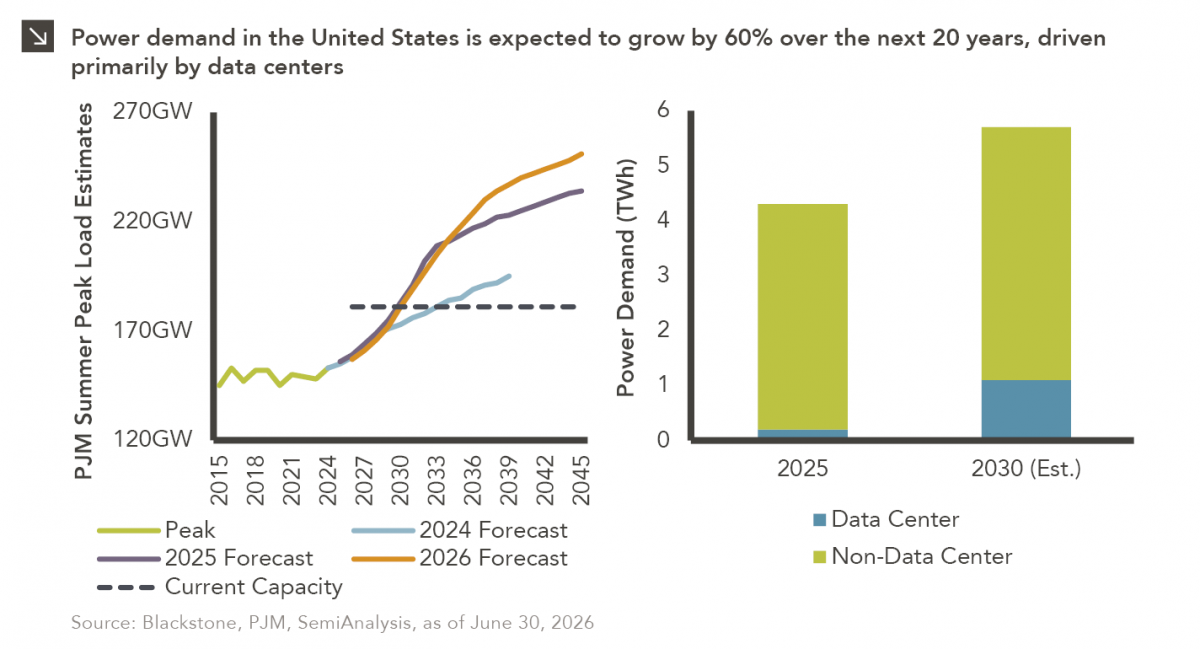
This week’s chart highlights the accelerating growth of electricity demand in the U.S., which has been driven primarily by the…
10.05.2026
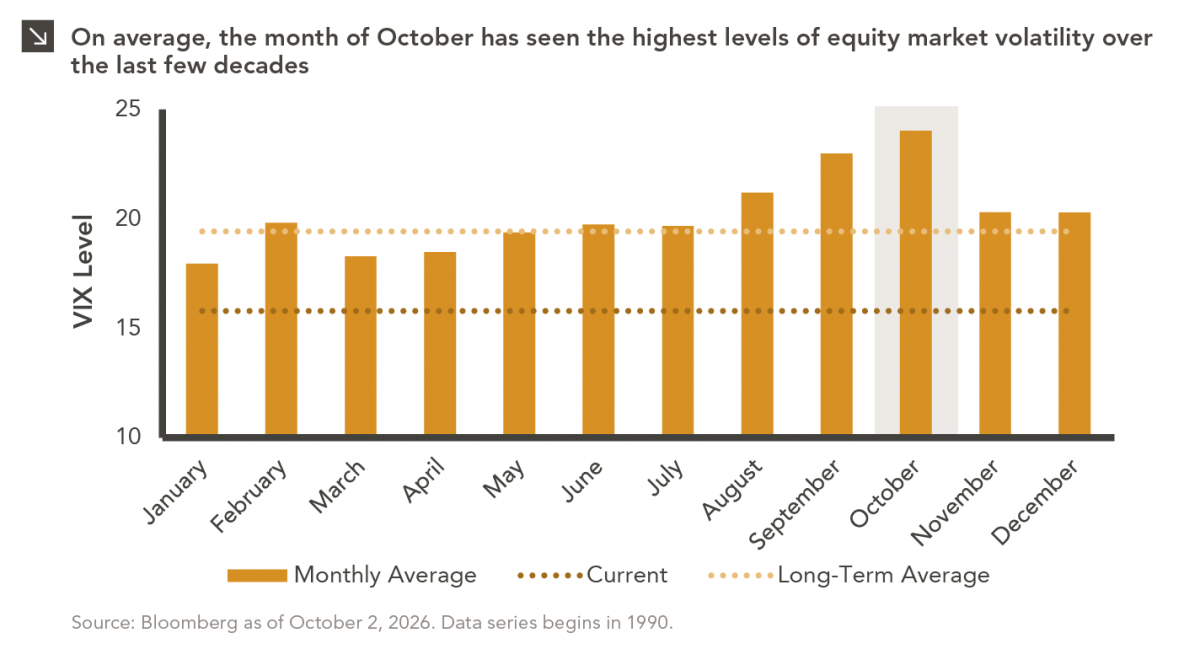
For investors, the spookiest thing about October might not be the ghosts and monsters that are bound to show up…
09.28.2026
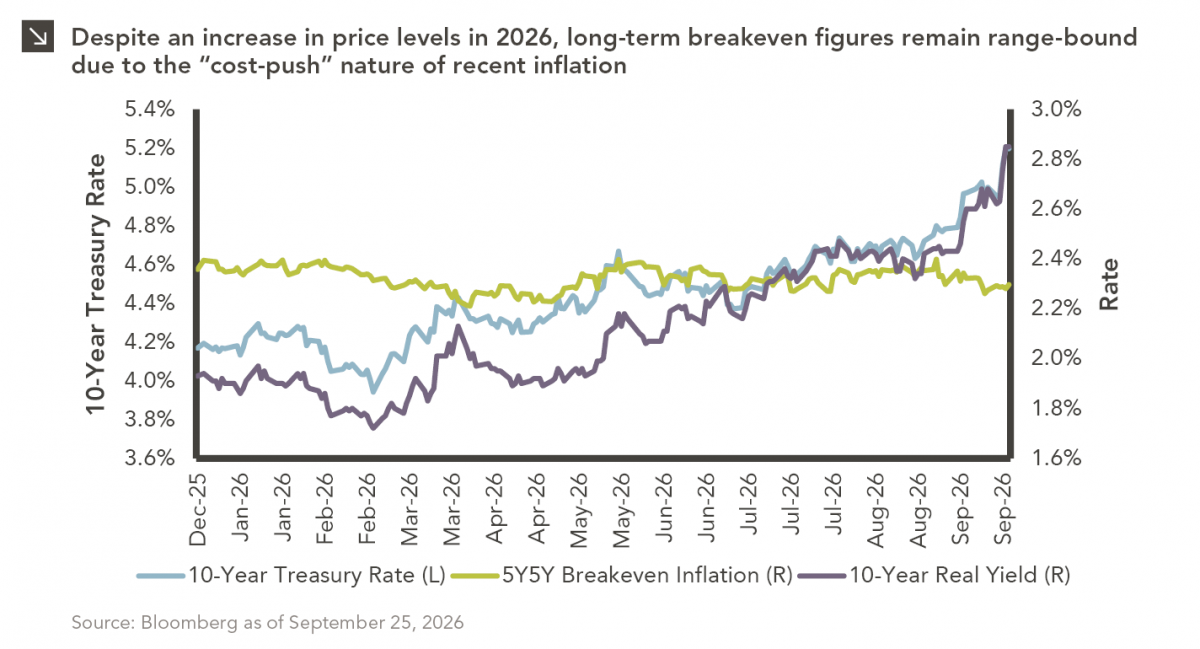
The phrase “expectations of higher inflation” has become a staple in financial news to explain the increase in nominal U.S….
Research alerts keep you updated on our latest research publications. Simply enter your contact information, choose the research alerts you would like to receive and click Subscribe. Alerts will be sent as research is published.
We respect your privacy. We will never share or sell your information.
If you have questions or need further information, please contact us directly and we will respond to your inquiry within 24 hours.
Contact Us >