Nat Kellogg, CFA
President


This week’s chart examines the demand for restaurant reservations, both in the U.S. and across the globe, measured by reservation booking activity on OpenTable, a service that allows users to book restaurant reservations online or through its app. Overall reservation booking activity started to slow noticeably at the beginning of March and then cratered as state after state closed schools, urged citizens to work from home, and then eventually closed all restaurants and bars for dine-in service. This is a compelling “real-time” indication of the scope and scale of the economic slowdown caused by the coronavirus.
While restaurants are only one small piece of the economy, they are an excellent gauge of discretionary consumer spending and provide employment to over 14 million restaurant workers across the United States. Although OpenTable’s largest market is here in the U.S., their data also indicates a similarly severe slowdown in global activity. The longer quarantines across the country (and around the globe) last, the more painful the effects on the restaurant industry, and the broader U.S. economy, will be.

The opinions expressed herein are those of Marquette Associates, Inc. (“Marquette”), and are subject to change without notice. This material is not financial advice or an offer to purchase or sell any product. Marquette reserves the right to modify its current investment strategies and techniques based on changing market dynamics or client needs.
09.28.2026
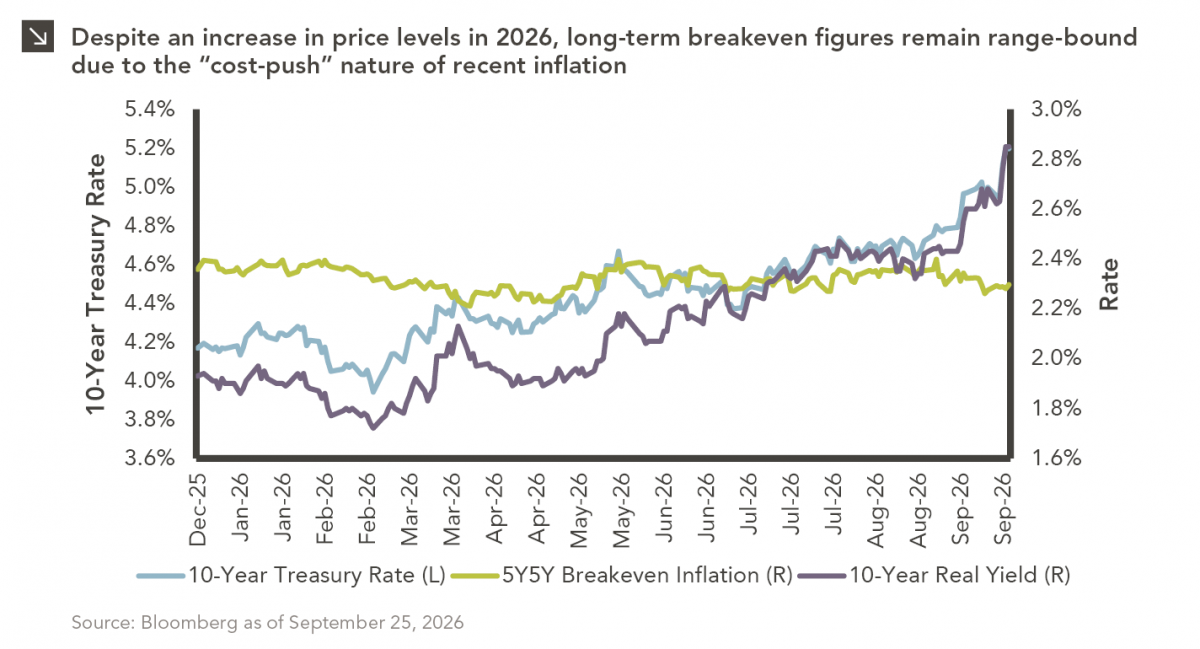
The phrase “expectations of higher inflation” has become a staple in financial news to explain the increase in nominal U.S….
09.21.2026
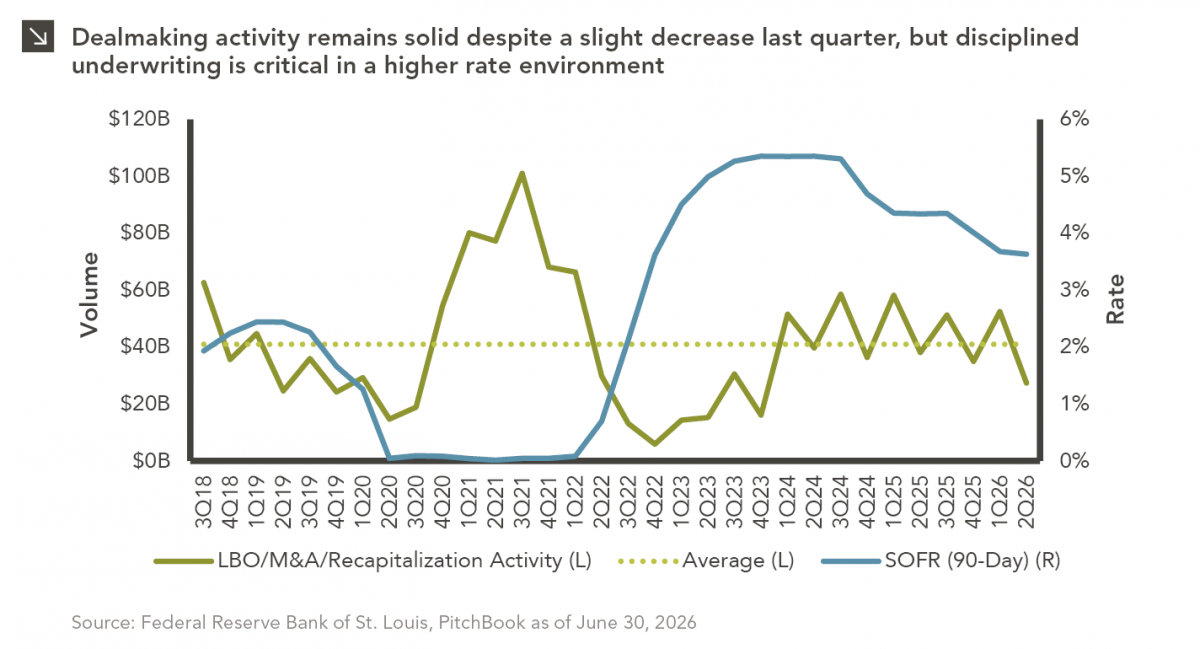
For much of the past several years, the conventional view has been that higher interest rates and stretched valuations would…
09.14.2026
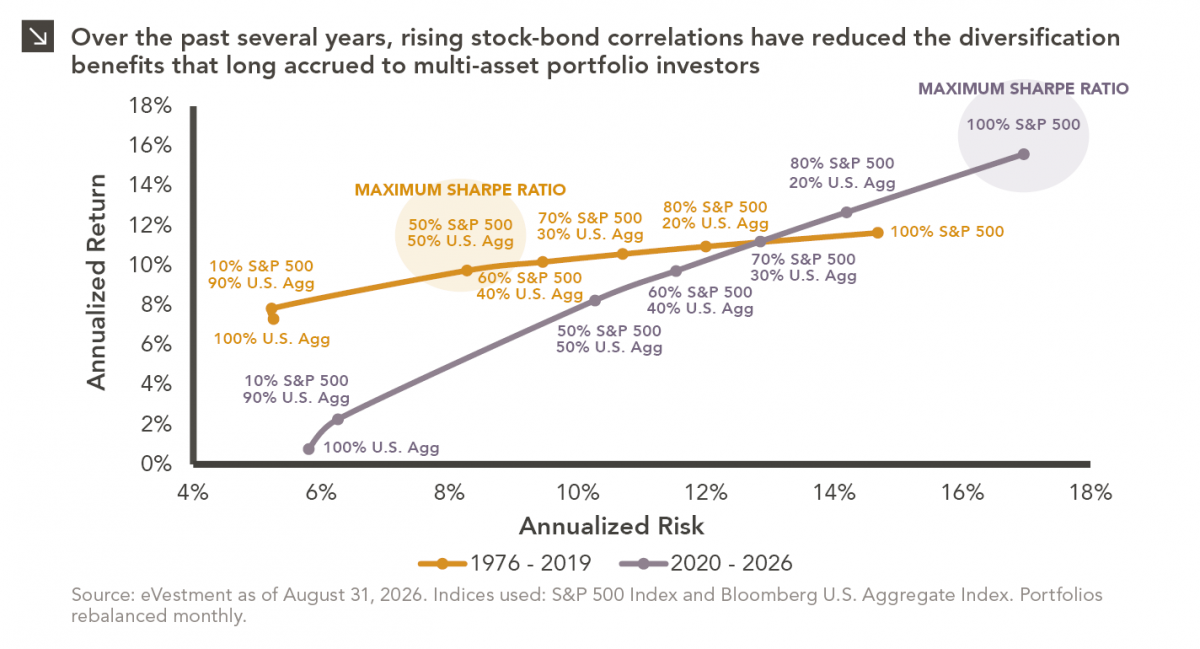
There are many great things about working at Marquette Associates, but “Free Lunch Tuesday” is right at the top of…
09.08.2026
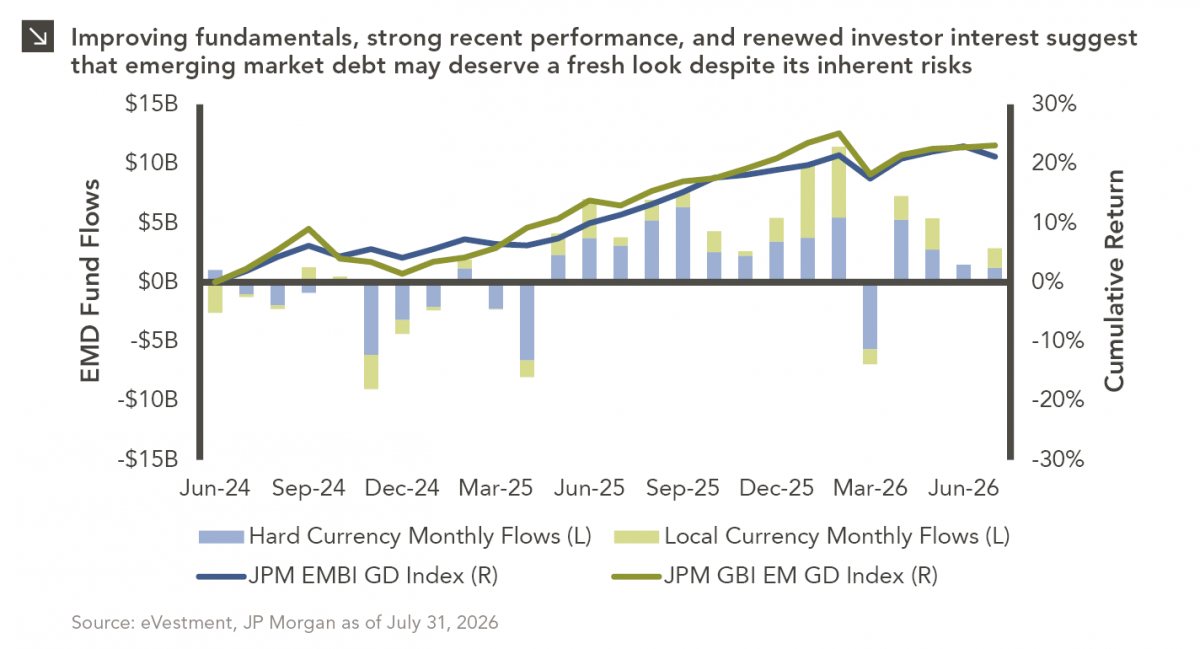
Over the last several years, emerging market debt (EMD) has faced several headwinds, with rising yields across other fixed income…
08.31.2026
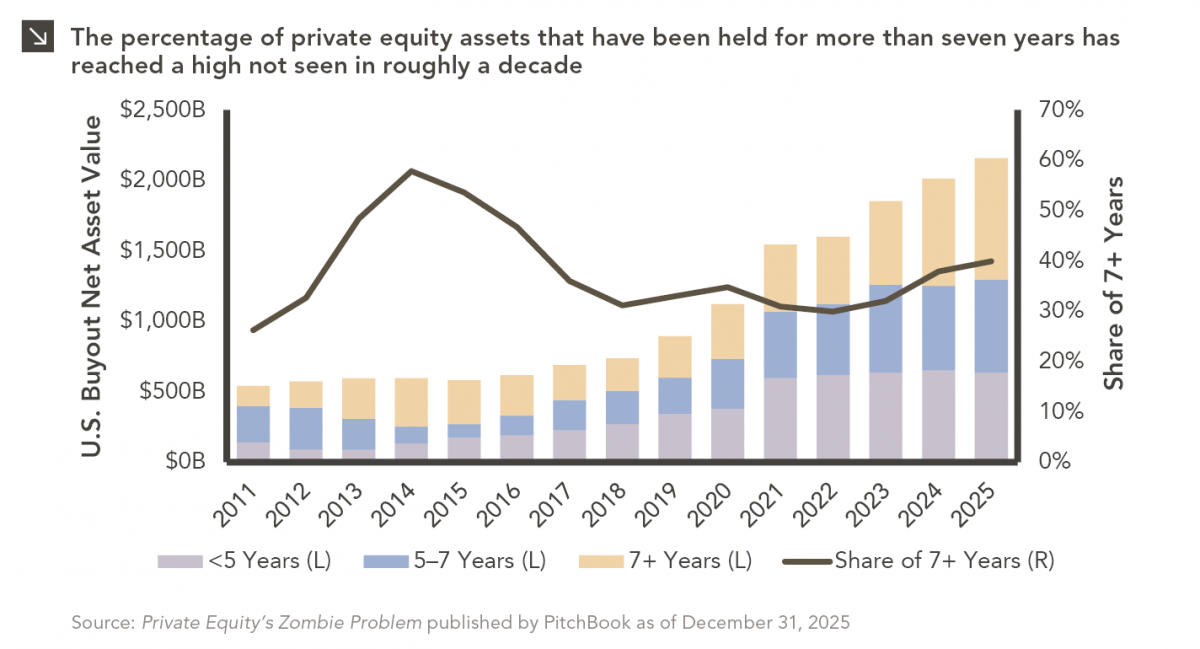
Private equity has always had a few portfolio companies that refused to leave the party. Today, however, the industry appears…
08.24.2026
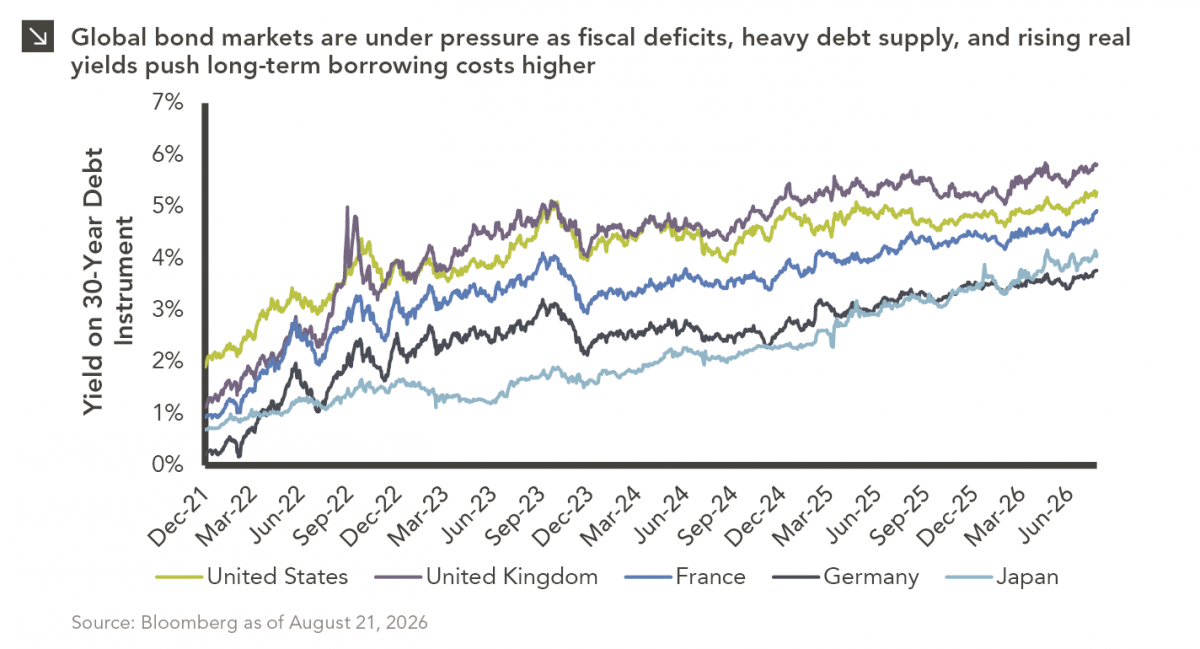
The global bond market is facing renewed pressure as investors demand higher yields to hold long-dated government debt, pushing borrowing…
Research alerts keep you updated on our latest research publications. Simply enter your contact information, choose the research alerts you would like to receive and click Subscribe. Alerts will be sent as research is published.
We respect your privacy. We will never share or sell your information.
If you have questions or need further information, please contact us directly and we will respond to your inquiry within 24 hours.
Contact Us >