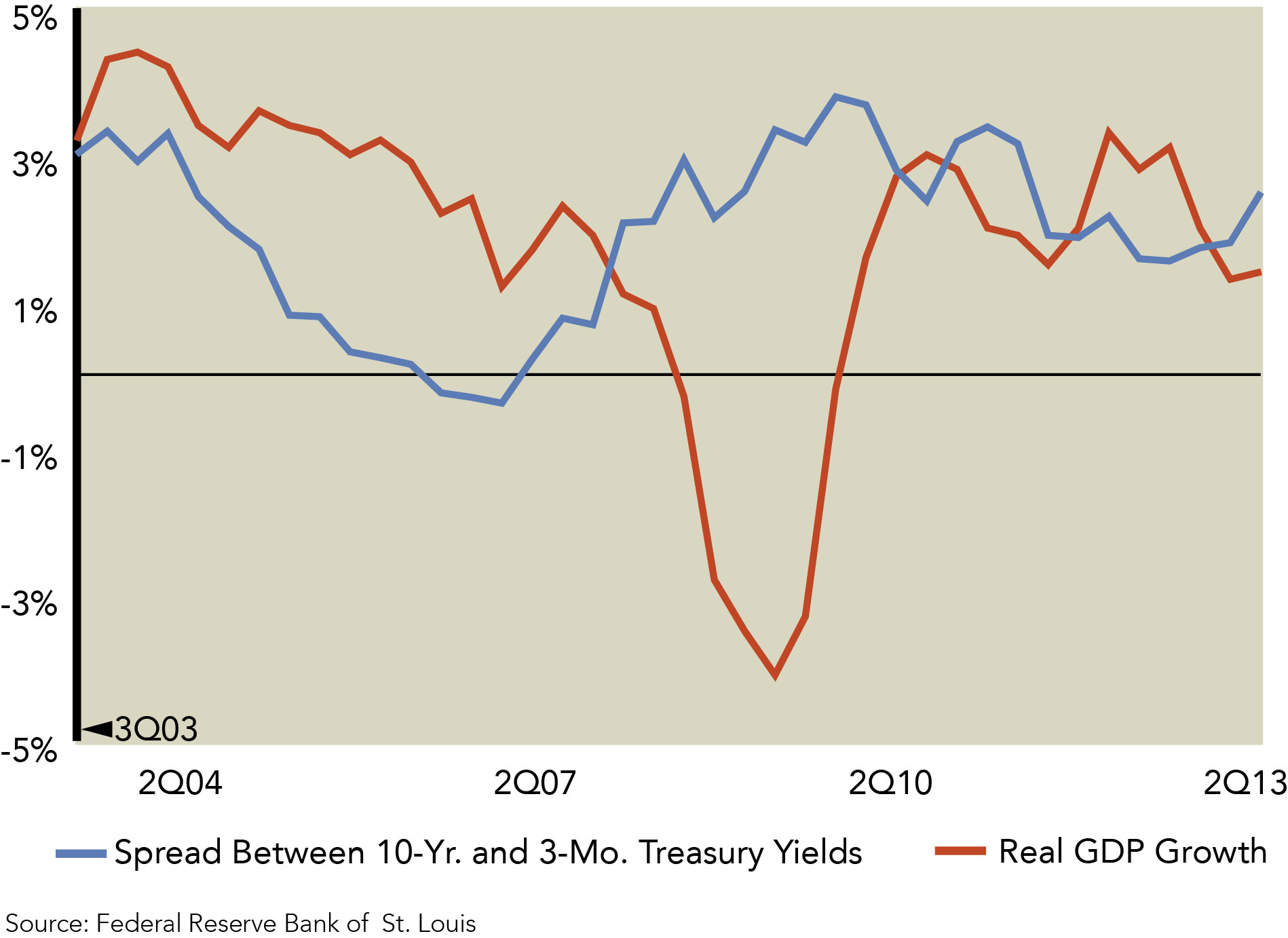
Since 2008, the Federal Reserve has embarked upon an unprecedented effort to stabilize and support the national economy in the aftermath of the 2008 Financial Crisis. At first, the effort was more of an emergency response, aimed at stemming the worst economic calamity since the Great Depression. However, as the threat of a systematic meltdown subsided, the Fed’s focus shifted to ongoing support aimed at restoring economic health. Now, five years after the Global Financial Crisis, the recuperation continues. While the economy has been pulled from recession and is proceeding on the path to recovery, unemployment remains stubbornly high and overall growth is lackluster.
As a result, the Fed announced Wednesday that the third round of quantitative easing will continue as planned until economic data reflects a more robust recovery. The Fed will remain accommodative and continue to purchase $85 billion of Treasury and mortgage-backed securities on the open market per month. As the asset purchases continue indefinitely, the size of the Fed’s balance sheet, which has changed size and composition drastically since the crisis, will continue to expand. Going forward, we expect Wednesday’s announcement to support the ongoing bull market in the equity markets, but at the expense of bond yields, which will likely stay low until the Fed truly begins to taper its asset purchases.